

Salt is the food-related factor most consistently linked to rising blood pressure, and it shows up in far more than the salt shaker. Processed and restaurant foods, canned soups, deli meats, and many condiments carry large amounts of sodium that add up fast. Blood pressure also responds to other dietary patterns over time, including heavy alcohol use, low potassium intake, and excess calories that lead to weight gain. Understanding which foods matter and why gives you a clearer picture of what is actually driving the numbers on the cuff.
How Does Food Actually Raise Blood Pressure?
Blood pressure is the force of blood pushing against artery walls. Several dietary factors can push that force higher, and they do it through different mechanisms.
Sodium is the clearest example. When you take in more sodium than your body needs, the kidneys hold onto extra water to keep the sodium diluted at the right concentration. That extra fluid increases blood volume, and more volume means more pressure inside the arteries. Over time, high sodium intake can also stiffen blood vessel walls and affect how the kidneys regulate fluid balance.
Potassium works in the opposite direction. It helps the kidneys release sodium through urine and eases tension in blood vessel walls. When potassium intake is low and sodium intake is high, that imbalance tends to push blood pressure up.
Alcohol has a different pathway. Drinking more than moderate amounts can trigger the release of stress hormones that narrow blood vessels and raise heart rate. It can also interfere with how the body handles fluid and sodium.
Excess calories matter too, but indirectly. Eating more than the body needs leads to weight gain, and higher body weight is one of the strongest dietary-related contributors to elevated blood pressure. Fat tissue releases hormones and signals that affect blood vessel function and sodium handling.
What Foods Cause High Blood Pressure To Rise the Most?
Processed and prepared foods are the biggest source of sodium in most American diets. That matters more than any single ingredient you add at the table.
According to the Centers for Disease Control and Prevention, roughly 70 percent of the sodium Americans eat comes from processed and restaurant foods, not from the salt shaker. The foods that contribute most include:
- Deli meats, bacon, sausage, and hot dogs
- Canned soups and broths
- Frozen dinners and pizza
- Restaurant meals, especially fast food
- Bread and rolls (a surprising source because people eat so much of it)
- Cheese
- Savory snacks like chips and crackers
- Condiments such as soy sauce, ketchup, and salad dressings
A single deli sandwich on bread with cheese and condiments can easily contain more than half a day’s worth of sodium. The problem is not one food. It is the accumulation across meals.
Some foods raise blood pressure through other routes. Heavy alcohol consumption is a well-documented contributor. Sugary drinks and refined carbohydrates contribute mainly by adding calories that lead to weight gain, not through a direct effect on blood pressure the way sodium does.
Is Salt the Only Thing That Matters?
No. Sodium is the most studied dietary factor, but it is not the only one.
Low potassium intake is a separate issue. Most Americans get far less potassium than the recommended amount. Potassium-rich foods include bananas, potatoes, beans, spinach, and yogurt. When potassium is low, the kidneys are less efficient at clearing sodium, and blood vessels tend to stay more constricted.
Alcohol is another independent factor. Research has consistently found that heavy drinking raises blood pressure, and reducing alcohol intake can lower it. The relationship is dose-dependent, meaning more alcohol tends to mean higher pressure.
Weight status may be the single most influential factor. Excess body fat, especially around the abdomen, is strongly linked to higher blood pressure. Even modest weight loss can produce measurable reductions.
There is also growing interest in the gut microbiome and its possible role in blood pressure regulation. Some early research suggests that gut bacteria may influence how the body processes certain compounds that affect blood vessels. This is an active area of study, but the evidence is not yet strong enough to make dietary recommendations based on it.



What About the DASH Diet and Blood Pressure?
The DASH diet (Dietary Approaches to Stop Hypertension) was designed specifically to lower blood pressure. It emphasizes fruits, vegetables, whole grains, lean proteins, and low-fat dairy while limiting sodium, red meat, sweets, and added fats.
Clinical trials funded by the National Institutes of Health found that DASH lowered blood pressure significantly, and the effect was even stronger when sodium was also reduced. The combination of the DASH eating pattern with lower sodium produced the greatest reductions.
The diet works because it addresses multiple factors at once: it increases potassium, magnesium, and calcium intake; reduces sodium; and supports a healthier weight. It is not a single-nutrient fix.
That said, individual responses vary. Some people are more salt-sensitive than others. Genetics, age, existing health conditions, and medications all play a role. A dietary pattern that works well for one person may produce smaller changes in another.
Do These Foods Affect Everyone the Same Way?
No. Salt sensitivity varies widely. Some people see a clear rise in blood pressure when they eat more sodium; others show much less response.
Certain groups tend to be more salt-sensitive. Older adults, Black adults, people with existing hypertension, and those with diabetes or chronic kidney disease often respond more strongly to sodium. But salt sensitivity can occur in anyone, and it is not something you can reliably self-diagnose.
Age matters too. Blood vessels stiffen naturally with age, which makes them less able to buffer changes in pressure. That means the same amount of sodium may have a larger effect at 55 than it did at 25.
Medications can also change the picture. Some blood pressure medications work partly by helping the body excrete sodium. Others interact with potassium levels. This is why dietary changes should be discussed with a clinician, especially if you are taking medication.
What Does the Evidence Actually Show About Diet and Blood Pressure?
The evidence linking high sodium intake to elevated blood pressure is strong and consistent. Large observational studies and controlled trials have both shown that reducing sodium lowers blood pressure, particularly in people with existing hypertension.
The evidence for potassium is also solid. Increasing potassium intake has been shown to lower blood pressure in multiple studies, though the effect is smaller than sodium reduction in most cases.
Alcohol reduction has good evidence behind it as well. Trials and observational data consistently show that cutting back on alcohol lowers blood pressure in heavy drinkers.
Weight loss has perhaps the most consistent evidence of all. Even a modest reduction in body weight is associated with meaningful drops in blood pressure in people who are overweight.
What is less clear is the role of specific individual nutrients beyond sodium and potassium. Calcium, magnesium, and fiber have all been studied, but the results are mixed. They likely contribute as part of an overall healthy eating pattern rather than as standalone fixes.
Ultra-processed foods are another area of active research. Some studies suggest that diets high in ultra-processed foods are associated with higher blood pressure, but it is difficult to separate the effects of sodium, calories, and other factors. The evidence points in a concerning direction, but it is not yet definitive.
How Can You Tell If Your Diet Is Affecting Your Blood Pressure?
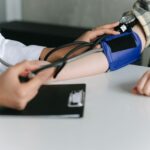
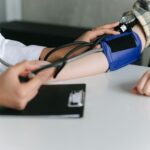
The only reliable way to know is to measure. Blood pressure usually has no symptoms, even when it is dangerously high. That is why it is called the silent killer.
A normal blood pressure reading is below 120/80 mmHg. Readings consistently at or above 130/80 mmHg are generally considered high. These thresholds come from established clinical guidelines.
If you check your blood pressure at home, take multiple readings at different times and on different days. A single high reading does not necessarily mean you have hypertension. Stress, caffeine, and even the act of having your pressure taken can raise it temporarily.
Keeping a log of your readings alongside what you eat can help you and your doctor spot patterns. It is not a substitute for medical advice, but it gives you real data to work with.
Frequently Asked Questions
What foods cause high blood pressure to rise quickly?
No single food raises blood pressure instantly in a healthy person, but a very high-sodium meal can cause a temporary bump within hours. The bigger concern is repeated high-sodium eating over days and weeks.
Is bread really a major source of sodium?
Yes, bread and rolls are among the top sources of sodium in the American diet, mainly because people eat them so often. A single slice may not seem like much, but several slices a day add up.
Can cutting salt alone lower blood pressure?
Reducing sodium can lower blood pressure, especially in people who are salt-sensitive. The effect is usually larger when sodium reduction is combined with a healthy eating pattern like DASH.
Does alcohol raise blood pressure?
Yes, heavy alcohol use is a well-established contributor to high blood pressure. Reducing intake has been shown to lower blood pressure in people who drink heavily.
