
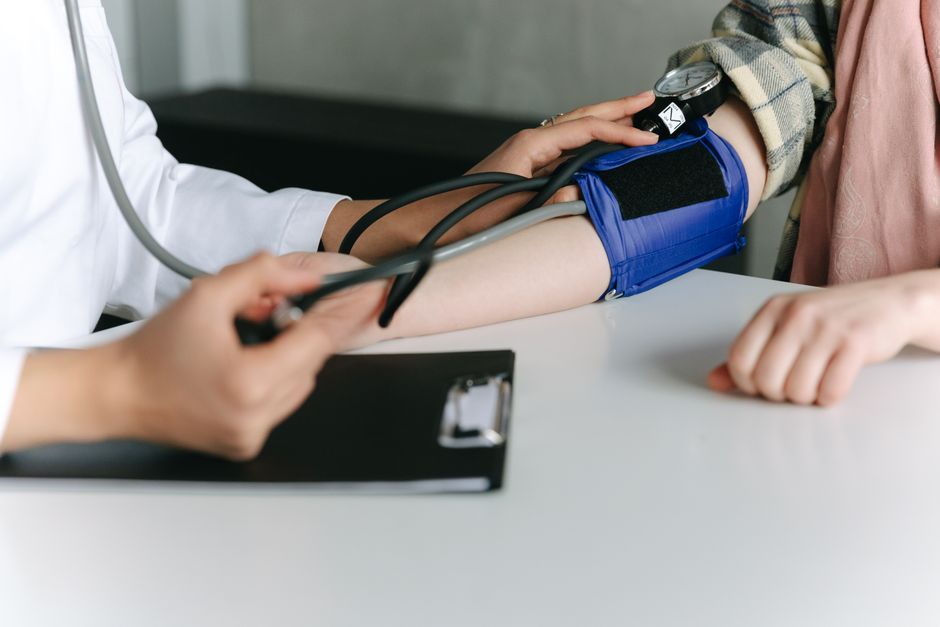
High blood pressure does not directly cause joint or muscle pain. That is the honest answer, and it matters because a lot of people search for this connection after noticing aching knees or sore shoulders around the same time they were diagnosed with hypertension. The two conditions often show up together, but that is mostly because both become more common with age, not because one is causing the other.
There are a few real exceptions worth knowing about. Some blood pressure medications can cause muscle cramps or joint aches. Certain diseases, like lupus or kidney disease, can raise blood pressure and cause pain at the same time. And extremely high blood pressure — the kind that needs emergency care — can sometimes cause muscle weakness or severe headache. For the vast majority of people with ordinary high blood pressure, though, joint and muscle pain has a different cause.
Why Do People Assume High Blood Pressure Causes Aches and Pains?
Because the timing feels suspicious. A person gets diagnosed with hypertension at 52, starts noticing their back hurts more, and naturally wonders if the two are linked.
The more likely explanation is age. Joint pain from osteoarthritis, muscle stiffness, and tendon problems all become more common in the same decades that blood pressure tends to rise. Both trends share a common driver: getting older. That creates the appearance of a connection without an actual cause-and-effect relationship.
There is also a real phenomenon called referral and overlap in how people experience symptoms. Someone with chronic pain may sleep poorly, feel stressed, and eat differently — all of which can push blood pressure up over time. So the arrow may point in the other direction, or it may not point at all.
One non-obvious point: high blood pressure is called the “silent killer” for a reason. It usually produces no symptoms at all, even at fairly high readings. That means if you have joint or muscle pain, high blood pressure is almost certainly not the explanation for it, because hypertension itself rarely announces itself through pain.
Can High Blood Pressure Cause Joint And Muscle Pain Through Any Direct Mechanism?
No well-established mechanism links elevated blood pressure to joint pain or muscle aches in ordinary hypertension.
Blood pressure is the force of blood pushing against artery walls. Joints are cushioned by cartilage and lubricated by synovial fluid. Muscles are supplied by small blood vessels called capillaries. There is no known pathway by which a higher pressure reading damages joint cartilage or inflames muscle tissue directly.
What can happen is damage to organs that blood pressure does affect over years — the heart, kidneys, eyes, and arteries. That damage shows up as heart disease, kidney problems, vision changes, or stroke risk. Not as knee pain.
There is one indirect connection worth noting. Chronic pain conditions are associated with higher rates of hypertension in some studies. Researchers have proposed that ongoing pain may affect the nervous system and stress hormones in ways that influence blood pressure over time. But this is a proposed association, not an established cause. The evidence here is still developing.
Which Blood Pressure Medications Can Cause Muscle or Joint Pain?
This is where the connection becomes real and worth paying attention to. Several classes of blood pressure medication list muscle or joint symptoms as possible side effects.
Diuretics, especially thiazide types, can lower potassium and magnesium levels. Low potassium can cause muscle cramps, weakness, and aches. This is one of the better-documented medication-related causes.
ACE inhibitors and angiotensin receptor blockers (ARBs) are generally well tolerated for muscle and joint symptoms, but some people report joint pain. The evidence for this is mostly from individual reports rather than large trials.
Calcium channel blockers can cause swelling in the ankles and legs, which some people describe as aching or heaviness rather than true joint pain.
Beta-blockers can cause fatigue and reduced exercise tolerance, which some people interpret as muscle weakness.
If you started a new blood pressure medication and developed new muscle or joint symptoms, that timing is meaningful. Do not stop the medication on your own — some of these drugs need to be tapered. Talk to your prescriber about whether a different drug or dose might work better.


When Is Muscle Pain a Sign of Something More Serious?
Certain conditions cause high blood pressure and muscle or joint problems at the same time. These are not common, but they are worth knowing about because they change the whole picture.
- Lupus and other autoimmune diseases can inflame joints and kidneys, and kidney involvement often raises blood pressure.
- Kidney disease is both a cause and a consequence of high blood pressure, and it can cause muscle cramps from electrolyte imbalances.
- Thyroid disorders can affect blood pressure and cause muscle weakness or aches.
- Diabetes frequently coexists with hypertension and can cause nerve and muscle symptoms.
- Sleep apnea is strongly linked to hypertension and can cause morning muscle soreness from poor sleep quality.
If you have high blood pressure plus unexplained muscle weakness, dark urine after exercise, or severe muscle pain, that combination deserves prompt medical attention. Those can be signs of muscle breakdown, which is a medical emergency.
Can Very High Blood Pressure Cause Muscle Symptoms?
At extremely high levels — the kind that constitutes a hypertensive crisis — symptoms can include severe headache, chest pain, shortness of breath, vision changes, and sometimes muscle weakness or numbness.
These symptoms come from damage to the brain and blood vessels, not from the muscles themselves being affected by pressure. A hypertensive crisis is a medical emergency. If your blood pressure is extremely high and you have any of these symptoms, seek emergency care immediately.
For routine high blood pressure — readings in the 130s or 140s over 80s or 90s — muscle and joint symptoms are not part of the picture. That distinction matters because it prevents people from attributing serious pain to their blood pressure and missing another diagnosis.
What Should You Do If You Have Both High Blood Pressure and Joint Pain?
Treat them as two separate problems that each deserve attention. That is the practical takeaway.
For the joint and muscle pain, the cause is usually something else entirely. Osteoarthritis, overuse injuries, tendonitis, fibromyalgia, and other conditions are far more common explanations. A doctor can help sort out which one applies.
For the blood pressure, keep following your treatment plan. Do not assume that getting your blood pressure under control will fix your joints, and do not assume that joint pain means your blood pressure is out of control.
One thing worth checking: if you are taking a diuretic, ask your doctor whether your potassium and magnesium levels have been checked recently. Correcting a low level can resolve muscle cramps that have been blamed on something else.
Lifestyle habits that help blood pressure — regular movement, maintaining a healthy weight, not smoking, limiting alcohol — also tend to help joint and muscle health. Not because one causes the other, but because both benefit from the same general approach to taking care of your body.
Frequently Asked Questions
Can high blood pressure cause muscle pain?
No, ordinary high blood pressure does not directly cause muscle pain. Some blood pressure medications, especially diuretics that lower potassium, can cause muscle cramps or aches as a side effect.
Can high blood pressure cause joint pain?
There is no established mechanism by which high blood pressure damages joints or causes joint pain. Joint pain and hypertension often occur together because both become more common with age.
Can blood pressure medication cause joint and muscle pain?
Yes, some blood pressure medications can cause muscle cramps, weakness, or joint aches. Diuretics are the most common culprit because they can lower potassium and magnesium levels.
When should I worry about muscle pain with high blood pressure?
Seek emergency care if you have extremely high blood pressure along with severe headache, chest pain, vision changes, or sudden muscle weakness. These can be signs of a hypertensive crisis.
