
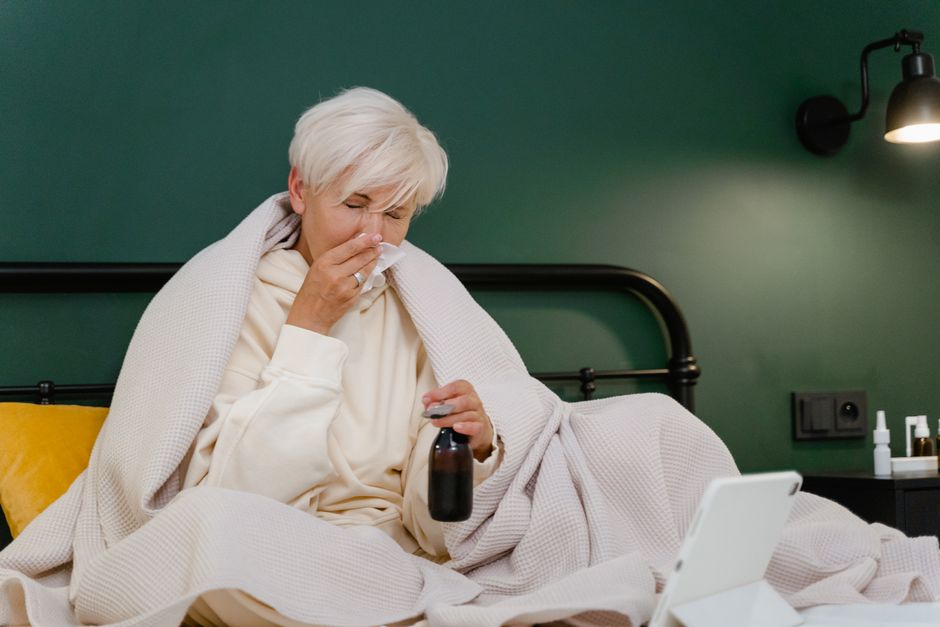
A cold has no cure. What relieves a cold is rest, fluids, and simple symptom care — and time. Most adults recover in about a week to ten days, though a cough can linger longer.
The common cold is a viral infection of the upper airways. More than 200 viruses can cause one, which is why you can catch colds again and again. Because antibiotics kill bacteria and not viruses, they do nothing for a cold unless a bacterial infection develops separately.
What actually helps is managing symptoms while your immune system clears the virus. Below is what the evidence supports, what is mostly marketing, and what genuinely does not work.
What Relieves A Cold Fast?
Nothing shortens a cold dramatically. The honest answer is that symptom relief is the realistic goal, not a faster cure.
Rest and fluids remain the foundation. Sleep supports immune function, and staying hydrated helps keep mucus thin. There is no single food or drink that flushes a cold out, but dehydration can make you feel worse.
For symptom relief, a few options have real evidence behind them:
- Pain and fever reducers. Acetaminophen or ibuprofen can ease aches, sore throat, and fever. Follow label directions and do not combine products that contain the same ingredient.
- Saline nasal rinses or sprays. These can loosen mucus and ease congestion. Use distilled, sterile, or previously boiled and cooled water only.
- Honey. A spoonful can calm a cough in adults and children over age 1. Never give honey to infants under 1 year because of the risk of infant botulism.
- Humidified air and warm liquids. A warm drink and moist air can soothe a raw throat and temporarily ease congestion.
Decongestant sprays work but should not be used for more than three days in a row. Longer use can cause rebound congestion, where your nose feels more blocked when you stop.
Do Over-The-Counter Cold Medicines Actually Work?
Results are mixed, and the benefits are usually modest. This is one of the more misunderstood areas of cold care.
Oral decongestants such as pseudoephedrine can reduce nasal swelling, but they can raise blood pressure and cause jitteriness. People with high blood pressure, heart disease, or thyroid problems should check with a clinician first. Many oral cold products sold off the shelf now use phenylephrine, and reviews of the evidence have questioned whether it works well when taken by mouth.
Antihistamines are sometimes included in cold formulas. Older sedating antihistamines may dry up a runny nose, but they also cause drowsiness. The newer non-drowsy antihistamines have not shown much benefit for colds.
Cough suppressants such as dextromethorphan may reduce coughing for some people. Expectorants like guaifenesin are meant to thin mucus, but the evidence that they clearly help is weak.
One practical warning: combination cold products often contain several drugs at once, including acetaminophen. Taking a combination product plus a separate pain reliever can accidentally double the dose. Read every label.
What About Vitamin C, Zinc, And Echinacea?
The evidence for supplements is mixed, and none has been shown to reliably cure or prevent a cold.
Vitamin C taken regularly does not appear to prevent colds in most people. Some studies suggest it might slightly shorten how long a cold lasts, but the effect is small and not consistent. Taking it only after symptoms start has not shown clear benefit.
Zinc is more debated. Some trials suggest zinc lozenges started within the first day of symptoms may shorten a cold, but results vary widely, and the taste and nausea it causes lead many people to stop. Zinc nasal sprays have been linked to loss of smell and should be avoided.
Echinacea has been studied for decades. Most reviews find no consistent evidence that it prevents or treats colds. If it helps at all, the effect appears minor.
None of these is a substitute for rest and symptom care. If you take any supplement, be aware that supplements are not regulated the same way as drugs, and doses can vary between products.





Does Chicken Soup Or Any Food Help A Cold?
Warm fluids help you feel better, and chicken soup is a reasonable choice. Whether it does more than that is not established.
Some small studies have suggested chicken soup may have mild anti-inflammatory effects, but this has not been confirmed in large human trials. What is well supported is that warm liquids soothe a sore throat and help with hydration.
There is no evidence that any specific food speeds recovery. A balanced diet supports general health, but no food or supplement has been shown to shorten a cold in controlled studies.
Alcohol and caffeine are worth limiting while you are sick. Alcohol can worsen dehydration, and too much caffeine can interfere with the rest you need.
When Should You See A Doctor For A Cold?
Most colds do not need medical care. Certain signs mean you should get checked.
See a clinician if you have:
- A fever above 101°F (38.3°C) that lasts more than a few days, or any fever in an infant
- Symptoms that worsen after improving, or that last more than about 10 days
- Shortness of breath, chest pain, or wheezing
- Severe sore throat, or difficulty swallowing
- Severe sinus pain or facial swelling
These can point to a bacterial infection such as strep throat, sinusitis, or pneumonia, which may need different treatment. Colds do not cause high fever in adults as a rule — a high or lasting fever is a reason to check in.
People with asthma, COPD, heart disease, or a weakened immune system should seek care earlier, because a cold can trigger more serious problems for them.
How Long Does A Cold Last And How Do You Prevent One?
A cold usually improves within about a week to ten days, but a cough can hang on for two weeks or more. That lingering cough is common and not necessarily a sign of something worse.
Prevention comes down to limiting spread. Cold viruses travel through droplets from coughs and sneezes, and through hands touching contaminated surfaces and then the face.
- Wash hands often with soap and water for at least 20 seconds.
- Avoid touching your eyes, nose, and mouth with unwashed hands.
- Stay away from people who are sick when you can.
- Cover coughs and sneezes, and stay home while you are most contagious.
There is no vaccine for the common cold because so many different viruses cause it. Antibiotics do not help and taking them unnecessarily can cause harm and contribute to antibiotic resistance.
Frequently Asked Questions
What is the fastest way to get rid of a cold?
There is no fast cure — a cold runs its course in about a week to ten days. Rest, fluids, and symptom relief like pain reducers, saline rinses, and honey for cough are what help most.
Does vitamin C actually shorten a cold?
Taking vitamin C regularly does not appear to prevent colds in most people, and starting it after symptoms begin has not shown clear benefit. Some studies suggest a small effect on how long a cold lasts, but the evidence is not consistent.
Can you take cold medicine and pain relievers together?
Only if you check the labels, because many combination cold products already contain acetaminophen or another pain reliever. Taking both can accidentally double the dose and cause harm.
When should a cold worry you?
Get checked if you have a fever above 101°F that lasts more than a few days, symptoms that worsen after improving, trouble breathing, or symptoms lasting more than about 10 days. These can signal a bacterial infection that needs different care.
