
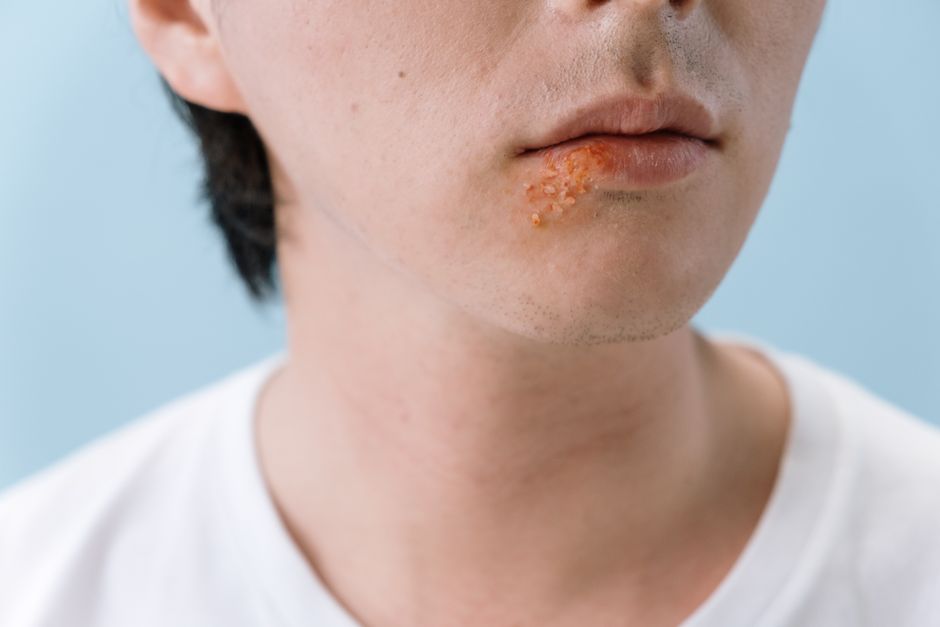
You feel that familiar tingle on your lip and your heart sinks. You know what is coming. But here is the good news: that tingling sensation is your earliest warning sign. Acting immediately with antiviral medication can stop the cold sore from ever blistering. The window is small — usually just a few hours — but if you catch it, you can block the virus from multiplying and save yourself days of discomfort.
What Actually Happens During the First Sign of a Cold Sore?
That tingling, burning, or itching sensation is not random. It is the herpes simplex virus (HSV-1) reactivating inside your nerve cells. The virus travels down the nerve to your skin and starts replicating in your skin cells. This is called the prodrome stage.
During this stage, the virus is active but no visible blister exists yet. You have a narrow window — typically 6 to 24 hours — to stop it. Once the blister forms, the virus has already caused damage to skin cells. Treatment after that point only speeds healing. It cannot prevent the sore.
Research shows that antiviral drugs work best during this prodrome phase. The drugs block viral DNA replication. Without replication, the virus cannot spread to enough skin cells to create a visible sore.
How To Stop Cold Sores From Forming At First Sign With Medication
Prescription antiviral medications are the only proven method to stop a cold sore from forming. The three main options are acyclovir, valacyclovir, and famciclovir. Valacyclovir is the most commonly prescribed because it stays active in your body longer, so you take fewer pills.
For stopping a cold sore at first sign, doctors typically prescribe a high-dose short course. This is called episodic therapy. You take a large dose at the first tingle and another dose 12 hours later. Studies have found that this two-dose regimen of valacyclovir (2 grams twice in one day) can abort the outbreak entirely in some people.
Not everyone responds the same way. Some people still develop a small blister even with prompt medication. But even in those cases, the sore is smaller and heals faster. If you have frequent outbreaks, your doctor may recommend daily suppressive therapy instead of waiting for the first sign.
Over-the-counter creams like docosanol (Abreva) can reduce healing time but have weaker evidence for stopping a sore entirely. They work best when applied at the first tingle, but do not expect them to work as reliably as prescription antivirals.
What Does Research Say About Natural Remedies for Early Intervention?
Many people try natural approaches at the first tingle. The evidence for most is thin. Some studies suggest that lysine supplements may help reduce outbreak frequency, but the research is mixed and inconsistent. As of 2026, current research suggests lysine is unlikely to stop an outbreak once it has started.
Lemon balm (Melissa officinalis) cream has some small studies showing it reduces healing time. One study found that applying lemon balm cream five times daily shortened outbreak duration by about half a day. That is modest but real. It is not strong enough to stop a sore from forming.
Tea tree oil and propolis (bee resin) have antibacterial and antiviral properties in lab tests. But human studies are limited. Some people report success, though strong evidence is lacking. If you use them, dilute them properly. Undiluted essential oils can burn your skin and make the outbreak worse.
Ice applied to the tingling area may reduce inflammation and provide temporary relief. It will not kill the virus. Cold slows down cellular activity, which might slightly reduce the severity, but do not rely on it alone.





What Triggers Should You Avoid When You Feel the First Tingle?
Once you feel that prodrome sensation, certain things can make it worse. Sun exposure is one of the most common triggers for cold sore reactivation. If you are outside, keep your lips covered or use SPF 30+ lip balm. Ultraviolet light suppresses local immune response in your lip skin, giving the virus an easier path.
Stress is another major trigger. When you are stressed, your body produces cortisol, which suppresses immune function. The virus takes advantage of that weakness. If you feel an outbreak coming, prioritize sleep and avoid pushing yourself physically or mentally.
Do not pick at or scratch the tingling area. This can spread the virus to surrounding skin and create a larger outbreak. It can also introduce bacteria, leading to a secondary infection that looks and feels worse than the original cold sore.
Avoid sharing cups, utensils, towels, or lip products during this time. The virus is highly contagious even before the blister appears. You can transmit it to others and to other parts of your own body, especially your eyes. Herpes keratitis (infection of the eye) is a serious condition that can damage vision.
Comparison of Treatment Options at First Sign
| Treatment | Evidence for Stopping Sore | Time to Apply | Prescription Needed? |
|---|---|---|---|
| Valacyclovir (oral) | Strong — can abort outbreak | Within 1 hour of tingle | Yes |
| Acyclovir (oral) | Strong — reduces severity | Within 1 hour of tingle | Yes |
| Docosanol cream (Abreva) | Moderate — speeds healing | At first sign, 5x daily | No |
| Lemon balm cream | Weak — modest healing benefit | At first sign, 5x daily | No |
| Lysine supplements | Weak — mixed evidence | Daily for prevention | No |
| Ice | None — symptom relief only | As needed | No |
This table shows that prescription antivirals are in a different category from everything else. If you want the best chance of stopping a cold sore before it appears, you need a prescription. Keep it on hand so you can start treatment immediately.
What Are Common Misconceptions About Stopping Cold Sores Early?
One widespread myth is that toothpaste can dry out a cold sore and stop it. There is no evidence for this. Toothpaste contains ingredients like sodium lauryl sulfate that can irritate sensitive skin. Applying it to the prodrome area may cause redness and peeling, which can be mistaken for the sore not forming. It does not affect the virus at all.
Another myth is that rubbing alcohol or hydrogen peroxide kills the virus on your skin. These substances can damage skin cells and delay healing. They do not penetrate deep enough to reach the virus in the nerve or lower skin layers. Stick to treatments that work without harming your skin.
Some people believe that once you have had cold sores for years, you build immunity and outbreaks stop. Not true. The virus hides in your nerve cells for life. Outbreaks can become less frequent over time, but the virus is still there. Stress, illness, or sun can reactivate it at any age.
A final misconception is that cold sores are only contagious when the blister is visible. The virus can shed from your skin during the prodrome stage and even when you have no symptoms at all. This is called asymptomatic shedding. It happens about 10 to 20 percent of days in people with HSV-1. You can transmit the virus even when you feel fine.
How To Build a Personal Plan for Early Intervention
The most effective approach is preparation. Talk to your doctor about getting a prescription for valacyclovir or acyclovir to keep in your medicine cabinet. Fill it before you need it. When the tingle hits, you cannot afford to wait for a pharmacy.
Learn to recognize your personal prodrome signs. For some people it is tingling. For others it is burning, itching, or a slight numbness. Pay attention to where it happens. Most people get cold sores in the same spot every time. That makes early detection easier.
Keep a trigger journal for a few months. Write down when outbreaks happen and what was going on before them. Common patterns include sun exposure, lack of sleep, illness, stress, or hormonal changes. When you know your triggers, you can be extra vigilant during high-risk times.
If you get six or more outbreaks per year, ask your doctor about suppressive therapy. Taking a low dose of antiviral daily can reduce outbreaks by 70 to 80 percent. It also reduces asymptomatic shedding, which lowers the risk of transmitting the virus to others.
No plan is perfect. Even with the best preparation, some outbreaks will break through. When that happens, start treatment anyway. It will still reduce healing time and severity. Do not beat yourself up. The virus is persistent and everyone has breakthrough outbreaks sometimes.
Frequently Asked Questions
Can you really stop a cold sore from forming once you feel the tingle?
Yes, if you take prescription antiviral medication within the first hour of feeling the tingle, you have a good chance of aborting the outbreak entirely. Over-the-counter treatments are less reliable for complete prevention.
How long does it take for valacyclovir to stop a cold sore?
Valacyclovir starts working within hours to block viral replication. The standard two-dose regimen is taken 12 hours apart, and the sore may never appear or remain very small.
Is it safe to take antiviral medication every time I feel a tingle?
Yes, episodic therapy is safe for most healthy adults. Your doctor will prescribe a specific dose for each outbreak. Do not exceed the recommended dose or frequency.
Can stress alone cause a cold sore to form even with treatment?
Yes, high stress can suppress your immune system enough to overcome antiviral protection. Managing stress, sleep, and sun exposure improves your chances of stopping an outbreak.
