
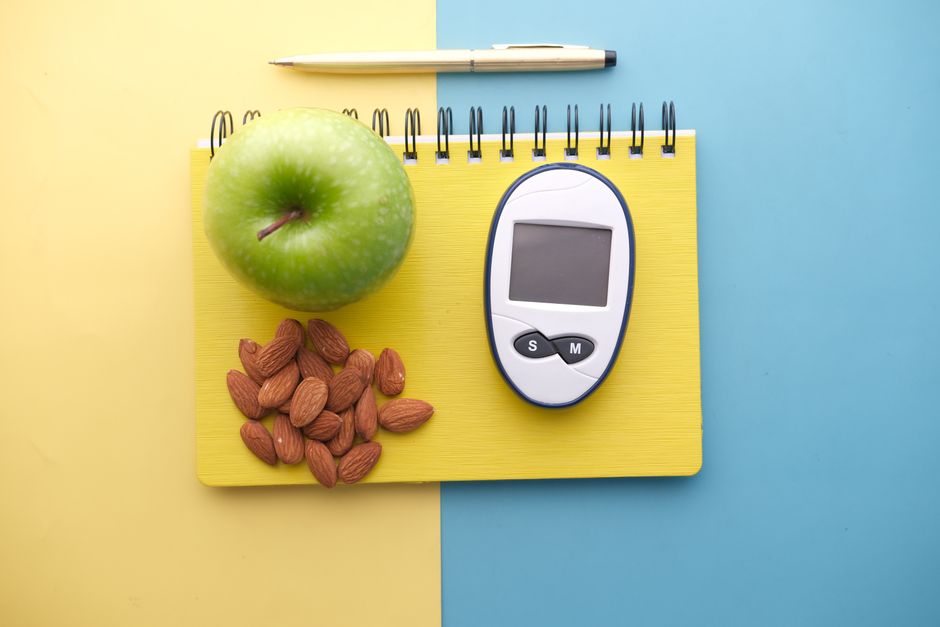
Most people assume blood sugar only responds to bread, pasta, and sweets. That is not how the body works. Stress hormones, poor sleep, certain medications, illness, and even the timing of your meals can push glucose up or down without a single carb being involved. If you have ever eaten a low-carb meal and still seen a high reading on your meter, there is a physiological reason for it.
What Raises Blood Sugar Levels Beyond Just Carbs?
The biggest non-carb drivers are stress hormones, sleep loss, illness, some medications, and the body’s own internal glucose production. Each of these can raise blood sugar through distinct pathways that have nothing to do with what you ate.
The body does not store glucose only to use it when you eat. It makes glucose continuously, around the clock, from the liver. That process is regulated by hormones like cortisol, glucagon, and adrenaline. When those hormones rise, glucose rises with them. This is why a person can fast for twelve hours and still have a blood sugar reading above what they expected.
Understanding these non-food triggers matters because they explain readings that otherwise seem random. A stressful morning, a bad night’s sleep, or a mild infection can all show up on a glucose meter before any meal does.
How Does Stress Raise Blood Sugar Without Food?
Psychological stress triggers the release of cortisol and adrenaline, both of which instruct the liver to release stored glucose into the bloodstream. This is an evolved survival response. In a real physical emergency, that extra glucose fuels muscles. In modern life, it often just sits in the blood.
Cortisol does more than release glucose. It also reduces how effectively insulin moves glucose into cells, a state called insulin resistance. This effect can last for hours after the stressful event ends. Research has consistently shown that both acute and chronic stress are associated with higher blood glucose levels, though the size of the effect varies widely between individuals.
The stress does not have to be dramatic. Deadlines, traffic, arguments, and anxiety about health itself can all activate this system. Some people notice it most in the morning, when cortisol naturally peaks as part of the body’s daily rhythm. That early morning rise is a normal part of human physiology, not a sign that something is wrong.
One detail worth knowing: the body’s dawn phenomenon and the Somogyi effect are two different things that both cause high morning readings. The dawn phenomenon is a natural early-morning hormone surge. The Somogyi effect is a rebound from overnight low blood sugar, usually in people using insulin. They look similar on a meter but have different causes and different management approaches.
Can Poor Sleep Really Affect Blood Sugar?
Yes, and the effect is measurable. Even a single night of poor sleep can reduce insulin sensitivity the following day in healthy adults. Multiple nights of restricted sleep tend to worsen it further.
Sleep loss raises cortisol and shifts the balance of appetite hormones. It also increases inflammation, which is linked to insulin resistance over time. People who regularly sleep fewer than the recommended seven to nine hours per night tend to have higher average blood glucose and a higher risk of developing type 2 diabetes compared with those who consistently sleep enough.
The relationship runs both ways. High blood sugar can cause night-time urination and disrupted sleep, which then worsens blood sugar the next day. This feedback loop is one reason sleep is now treated as a genuine factor in glucose management, not just a lifestyle footnote.
Sleep disorders matter here too. Obstructive sleep apnea is strongly associated with insulin resistance and impaired glucose tolerance. In many cases, treating the apnea improves glucose control, though the degree of improvement varies.



Do Illness and Infection Raise Blood Sugar?
Infection and illness raise blood sugar in most people, and the effect can be substantial. The immune response releases stress hormones and inflammatory signals that increase glucose production and reduce insulin sensitivity. This happens even in people without diabetes.
Common triggers include:
- Viral infections such as colds, flu, and COVID-19
- Bacterial infections, including urinary tract and respiratory infections
- Fever of any cause
- Recent surgery or physical trauma
- Pain, which activates the same stress hormone pathways
For people with diabetes, illness can push glucose into dangerous territory and increase the risk of dehydration and, in type 1 diabetes, diabetic ketoacidosis. Clinical guidance generally advises checking glucose more often during illness and following a sick-day plan developed with a clinician. That guidance is well established and specific to each person’s medications and health history.
Which Medications and Conditions Raise Blood Sugar?
Several widely prescribed medications raise blood glucose as a known side effect. This is not a rare reaction. It is documented in the clinical literature and listed on drug labels.
Corticosteroids such as prednisone are among the most common culprits. They raise glucose directly and can cause steroid-induced hyperglycemia, sometimes at quite high levels. The effect depends on dose and duration. Thiazide diuretics, some antipsychotics, certain beta-blockers, and some HIV medications have also been linked to higher glucose. Some medications, including certain antipsychotics and antidepressants, are associated with weight gain, which indirectly affects glucose over time.
This does not mean these medications are harmful or should be stopped. It means the glucose effect is real and worth monitoring. Anyone concerned about a medication’s effect on blood sugar should talk with their prescriber rather than change anything on their own.
Other medical conditions can also raise glucose independent of diet. These include:
- Pancreatic diseases that reduce insulin production
- Endocrine disorders such as Cushing’s syndrome and acromegaly
- Polycystic ovary syndrome, which is linked to insulin resistance
- Chronic liver disease, which affects glucose storage and release
- Kidney disease, which affects how glucose is filtered and reabsorbed
Does Exercise Always Lower Blood Sugar?
No. Exercise usually lowers blood sugar, but high-intensity exercise can raise it temporarily. This is a common source of confusion for people who see a spike right after a hard workout.
During intense exercise, the body releases adrenaline and other stress hormones to fuel the muscles. Those hormones also trigger the liver to release glucose. The result can be a short-term rise, especially in people with diabetes. Moderate activity like walking tends to lower glucose more predictably.
The timing, type, and duration of exercise all matter, and individual responses vary. People using insulin often need to check glucose before, during, and after exercise and adjust based on patterns they have discussed with their care team. That level of individualization is not something a general article can provide.
What About Alcohol, Caffeine, and Dehydration?
Alcohol has a complex effect on blood sugar. In the short term, it can lower glucose by blocking the liver’s release of stored glucose. That is why drinking without eating can cause hypoglycemia, particularly in people using insulin or certain diabetes medications. Over longer periods, heavy alcohol use is associated with higher glucose and worse overall control.
Caffeine’s effect is smaller and more variable. Some studies show a modest rise in glucose after caffeine, especially in people who do not drink it regularly. Other studies show little effect. The evidence is mixed, and the response seems to differ between individuals.
Dehydration raises blood glucose concentration by reducing blood volume. It does not create new glucose, but it can make readings look higher. Staying hydrated is a simple factor that is easy to overlook.
When Should You Talk to a Doctor About Blood Sugar?
Persistent high readings, unexplained weight loss, excessive thirst, frequent urination, blurred vision, or fatigue that does not improve are reasons to see a clinician. These symptoms can have several causes, and only testing can sort out which one applies.
Standard diagnostic thresholds are well established. A fasting glucose of 100 to 125 mg/dL is considered prediabetes. A fasting glucose of 126 mg/dL or higher on two separate tests is generally diagnostic of diabetes. An A1C of 6.5 percent or higher also supports a diabetes diagnosis. These numbers come from widely used clinical criteria and should be interpreted by a clinician in the context of the whole picture.
If you are tracking glucose at home and seeing patterns that do not match your food intake, that information is useful to bring to an appointment. Non-carb factors like stress, sleep, illness, and medications are often part of the explanation.
Frequently Asked Questions
Can stress alone raise blood sugar?
Yes. Stress hormones like cortisol and adrenaline cause the liver to release glucose and can reduce insulin sensitivity. The effect can last for hours after the stressful event ends.
Why is my blood sugar high in the morning before I eat?
The dawn phenomenon is a natural early-morning surge of hormones that raises glucose in many people. A rebound from overnight low blood sugar, called the Somogyi effect, can look similar but has a different cause.
Do medications other than diabetes drugs affect blood sugar?
Yes. Corticosteroids such as prednisone are well known to raise glucose, and some diuretics, antipsychotics, and beta-blockers have also been linked to higher readings. Anyone concerned should speak with their prescriber.
Can a cold or infection raise blood sugar?
Yes. Illness triggers stress hormones and inflammation that raise glucose and reduce insulin sensitivity, even in people without diabetes. Clinical guidance generally advises checking glucose more often during illness.
