
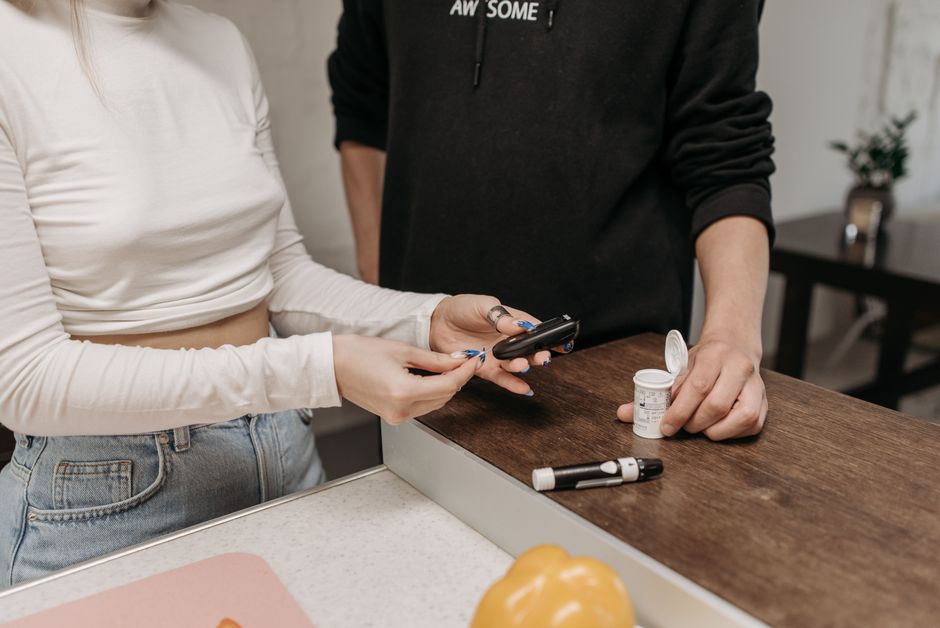
Cortisol testing is more straightforward than many people think, but it comes with important limitations. You can test cortisol levels through blood, saliva, or urine, and each method answers a different question about how your body produces this stress hormone. Blood tests measure the total cortisol in your bloodstream at a single moment, saliva tests measure the free, biologically active cortisol, and urine tests measure the total cortisol your body produces over 24 hours. The right test depends on what your doctor is trying to find out, and no single test gives you the full picture on its own.
Why Cortisol Testing Matters
Cortisol is produced by your adrenal glands, which sit on top of your kidneys. It follows a natural daily rhythm called the diurnal pattern. Levels typically peak in the morning within 30 to 60 minutes after waking, then gradually decline throughout the day, reaching their lowest point late at night.
Doctors order cortisol tests when they suspect either too much or too little cortisol production. Too much cortisol can cause weight gain, high blood pressure, and muscle weakness. Too little can cause fatigue, low blood pressure, and dizziness. Testing helps identify conditions like Cushing’s syndrome, which involves excess cortisol, or Addison’s disease, which involves insufficient cortisol.
Cortisol testing is not a general wellness check. It is a diagnostic tool used when specific symptoms point toward an adrenal problem. If you feel tired or stressed, a cortisol test is unlikely to give you useful answers unless your doctor has a specific reason to suspect an adrenal disorder.
How To Test For Cortisol Levels Blood Saliva More: The Three Main Methods
Blood, saliva, and urine tests each measure cortisol differently. Understanding the distinction helps you know what your results actually mean.
Blood tests measure total cortisol, which includes both bound and free cortisol. Most cortisol in your blood is bound to proteins, mainly corticosteroid-binding globulin. The total level is what most standard blood tests report. Blood tests are typically drawn in the morning around 8 a.m. when cortisol is at its peak, or sometimes again in the afternoon to see the expected drop.
Saliva tests measure free cortisol, the active form that reaches your tissues. Saliva testing is convenient because you can collect samples at home. Many doctors use saliva tests to check the diurnal rhythm by sampling at multiple points throughout the day. Saliva testing is particularly useful for diagnosing Cushing’s syndrome because the late-night sample is highly sensitive for detecting excess cortisol production.
Urine tests measure cortisol that has been filtered by your kidneys and excreted over 24 hours. This method captures total daily production rather than a single snapshot. You collect all urine over a full 24-hour period in a special container. The 24-hour urine free cortisol test is a standard diagnostic tool for Cushing’s syndrome.
Each method has strengths. Blood tests are best for a quick assessment, saliva tests are best for tracking daily rhythm, and urine tests are best for measuring total production. Your doctor will choose based on your symptoms and what condition they are investigating.
How Cortisol Tests Are Performed
A blood cortisol test is a standard blood draw from a vein in your arm. The test is usually scheduled for early morning because that is when cortisol levels are highest. Some protocols require a second sample in the late afternoon to confirm the natural decline. No special preparation is needed, though you should tell your doctor about any medications you take because some drugs affect cortisol levels.
Saliva testing requires you to collect saliva into a small tube at specific times. You typically collect samples at waking, midday, late afternoon, and bedtime. You cannot eat, drink, or brush your teeth for a period before collecting each sample because these activities can contaminate the specimen. The samples are stored in your refrigerator until you return them to the lab.
A 24-hour urine collection requires planning. You start the collection in the morning and finish exactly 24 hours later. The container is kept refrigerated throughout the collection period. Missing a void or spilling a sample invalidates the test, and you would need to start over.
All three tests require a doctor’s order. You cannot walk into a lab and request a cortisol test without a prescription. This is because interpretation requires clinical context.



What Cortisol Test Results Mean
Normal cortisol ranges depend on the time of day and the testing method. Morning blood cortisol is typically highest, with reference ranges varying by laboratory. Late-night saliva cortisol is normally very low. A high late-night saliva cortisol is a strong indicator of Cushing’s syndrome.
Low morning cortisol can suggest adrenal insufficiency, but a single low reading is not enough for a diagnosis. Doctors often follow up with an ACTH stimulation test, which measures how well your adrenal glands respond to adrenocorticotropic hormone. This test is more definitive for diagnosing adrenal insufficiency.
High cortisol levels can also be caused by factors unrelated to disease. Pregnancy, severe stress, depression, and certain medications can raise cortisol. Alcoholism and obesity also affect cortisol levels. A single abnormal result does not mean you have a disorder. Doctors typically repeat tests and use multiple testing methods before making a diagnosis.
Interpretation is complex. Cortisol levels fluctuate naturally, and normal ranges vary by age, sex, and laboratory standards. Your doctor interprets your results in the context of your symptoms, medical history, and other test results.
At-Home Cortisol Tests: What You Should Know
Direct-to-consumer at-home cortisol tests are available online. These kits typically use saliva or dried blood spot samples that you collect at home and mail to a laboratory. You receive your results online without needing a doctor’s visit.
These tests can measure your cortisol levels accurately if the laboratory is certified. However, accuracy of the measurement does not mean the result is clinically useful. A single cortisol reading outside the normal range does not diagnose any condition. Without a doctor interpreting the results in context, the numbers may cause unnecessary worry or false reassurance.
Some at-home tests claim to identify “adrenal fatigue,” a term that is not a recognized medical diagnosis. The concept of adrenal fatigue has not been supported by scientific evidence. If you feel persistently tired or unwell, an at-home cortisol test is not the appropriate first step. A medical evaluation that includes a thorough history, physical exam, and appropriate testing is more likely to identify the actual cause.
If you do use an at-home test, share the results with your doctor. Do not attempt to interpret them yourself, and do not start any treatment based on the results without medical guidance.
Factors That Affect Cortisol Test Accuracy
Several factors can skew cortisol test results. Medications are a major source of interference. Birth control pills and estrogen therapy raise total cortisol levels because estrogen increases cortisol-binding protein. Steroid medications, including inhaled steroids for asthma and topical steroids for skin conditions, can suppress cortisol production.
Stress from the test itself can elevate cortisol. Some people experience anxiety about blood draws, which can raise their cortisol levels at the moment of collection. This is more of a concern for blood tests than for saliva or urine tests.
Sleep patterns matter. Shift work, jet lag, or irregular sleep schedules disrupt the normal cortisol rhythm, which can make timing-based tests less reliable. Your doctor may ask about your sleep schedule before ordering a cortisol test.
Timing errors are a common problem, especially with saliva and urine tests. Collecting samples at the wrong time or missing collection windows can produce misleading results. Following the exact instructions is essential for accurate testing.
Frequently Asked Questions
Can I test my cortisol levels at home?
Yes, at-home cortisol test kits are available using saliva or dried blood spot samples, but they require a doctor’s interpretation to be clinically useful. A single at-home cortisol reading cannot diagnose any condition on its own.
What time of day should cortisol be tested?
Blood cortisol is typically tested in the morning around 8 a.m. when levels peak, while saliva tests often sample multiple times including late night to track the daily rhythm. The timing depends on what your doctor is investigating.
Do I need to fast before a cortisol blood test?
Fasting is not usually required for a cortisol blood test, but you should follow your doctor’s specific instructions. Some medications and foods can affect results, so tell your doctor about everything you take.
What is a normal cortisol level?
Normal cortisol levels vary by testing method, time of day, and laboratory reference ranges, so there is no single universal number. Your doctor interprets your result against the specific reference range from the laboratory that processed your sample.
Cortisol testing is a medical diagnostic tool, not a wellness metric. If you have symptoms that suggest an adrenal problem, talk to your doctor about whether cortisol testing is appropriate for your situation. The right test, performed correctly and interpreted by a clinician, can provide valuable information. A test without clinical context often creates more confusion than clarity.
