
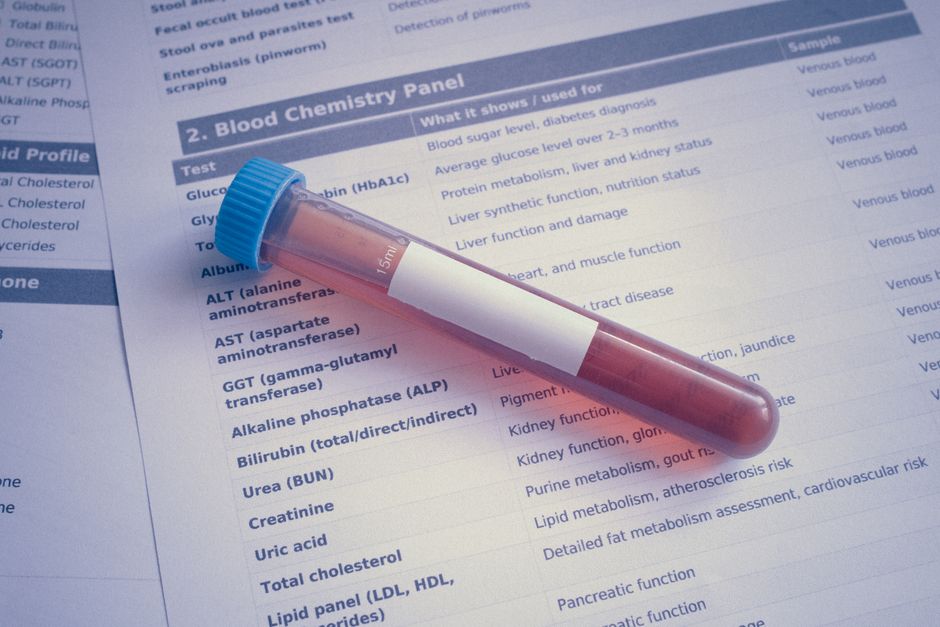
Bilirubin is a yellow-orange substance your body makes when it breaks down old red blood cells. A bilirubin blood test measures how much of this waste product is in your blood. High levels can signal liver problems, bile duct blockages, or excessive red blood cell breakdown, while low levels are rarely a concern. Your doctor uses this test to check how well your liver is working and to help diagnose conditions like jaundice, hepatitis, or gallstones.
What Is Bilirubin In A Blood Test Levels Causes?
Bilirubin is a natural byproduct of the normal breakdown of red blood cells. Red blood cells live about 120 days. When they age, your spleen, liver, and bone marrow remove them from circulation. Hemoglobin from these old cells is converted into bilirubin and carried to the liver. The liver processes it, makes it water-soluble, and sends it into bile. Bile carries it to the intestines, where it leaves the body in stool. That process is why stool is brown.
When that system breaks down anywhere along the way, bilirubin builds up in the blood. The test measures two forms. Total bilirubin is the overall amount. Direct (conjugated) bilirubin is the form already processed by the liver. Indirect (unconjugated) bilirubin is the unprocessed form. The difference between total and direct gives you the indirect value.
What Are Normal Bilirubin Levels?
Normal total bilirubin for adults is generally between 0.1 and 1.2 mg/dL. Direct bilirubin should be under 0.3 mg/dL. These ranges can vary slightly between laboratories, so your report will include the specific reference range for that lab.
Levels above 1.2 mg/dL are considered elevated. Mild elevations between 1.2 and 2.5 mg/dL often cause no symptoms and may be found during routine blood work. Higher levels can cause visible jaundice — yellowing of the skin and the whites of the eyes. Jaundice typically becomes visible when total bilirubin exceeds 2.5 to 3 mg/dL in adults.
Newborns are a different situation. Many babies develop what is called physiologic jaundice in the first week of life. Their livers are still maturing, so bilirubin can rise temporarily. Normal newborn levels differ from adult levels, and pediatricians track them carefully because very high levels can cause brain damage. If you are reading your baby’s lab results, ask your pediatrician to interpret them — adult ranges do not apply to newborns.
What Causes High Bilirubin Levels?
High bilirubin falls into three broad categories: too much red blood cell breakdown, liver problems, or bile duct blockage.
Increased red blood cell breakdown produces more bilirubin than the liver can process. This happens in conditions like hemolytic anemia, sickle cell disease, and reactions to certain medications. In these cases, the indirect bilirubin is typically elevated while direct bilirubin stays normal. The liver is working fine — it is simply overwhelmed.
Liver disease prevents the liver from processing bilirubin properly. Hepatitis (viral, alcoholic, or autoimmune), cirrhosis, and fatty liver disease all impair liver function. When liver cells are damaged, both direct and indirect bilirubin may rise. Other liver enzyme tests — like ALT and AST — are usually checked alongside bilirubin to build a fuller picture.
Bile duct obstruction blocks bilirubin from leaving the liver. Gallstones are the most common cause. Tumors, strictures, or inflammation of the pancreas can also compress the bile ducts. In obstructive conditions, direct bilirubin is typically the dominant elevated fraction. Stool may become pale or clay-colored, and urine may turn dark brown because bilirubin spills into the urine.
Some people have Gilbert’s syndrome, a harmless genetic condition affecting about 5 to 10 percent of the population. It causes mild, fluctuating elevations in indirect bilirubin, often noticed during stress, fasting, illness, or heavy exercise. Gilbert’s syndrome does not damage the liver and requires no treatment. It is not a disease — it is a variation of normal metabolism.



What Causes Low Bilirubin Levels?
Low bilirubin is rarely a medical concern. Most healthy people have low bilirubin simply because their liver is efficiently clearing it. Some studies have explored whether very low bilirubin might be linked to certain conditions, since bilirubin has antioxidant properties. But no clinical guidelines recommend treating or investigating low bilirubin. If your bilirubin is low and everything else on your liver panel is normal, your doctor will likely not mention it.
What Symptoms Accompany High Bilirubin?
The hallmark symptom is jaundice — yellow skin and yellow eyes. This happens because bilirubin deposits in tissues. Other symptoms depend on the underlying cause.
Liver disease often brings fatigue, nausea, poor appetite, and pain in the upper right abdomen. Bile duct obstruction may cause intense right-sided abdominal pain, fever, and pale stools. Hemolytic anemia can cause fatigue, paleness, dark urine, and an enlarged spleen. Some people with mild elevations have no symptoms at all and only learn about the condition from a routine blood test.
If you notice yellowing of your eyes or skin, contact a doctor promptly. Jaundice is a sign that something in this system is not working, and the underlying cause needs evaluation.
How Is Bilirubin Tested and Interpreted?
A bilirubin test is a simple blood draw. It is often ordered as part of a comprehensive metabolic panel (CMP) or a liver panel. Your doctor may order it if you have symptoms of liver disease, if you have a history of hepatitis, if you drink heavily, or if you take medications that can affect the liver.
Fasting is sometimes required, though the evidence is mixed on how much food affects bilirubin levels. Some labs recommend fasting for 4 to 8 hours before the test. Follow the instructions your lab gives you.
Your doctor will interpret bilirubin in context. A single elevated reading is not a diagnosis. It matters whether direct or indirect bilirubin is elevated. It matters what your other liver enzymes show. It matters whether you have symptoms. Often, the pattern points in a specific direction:
- High indirect bilirubin with normal liver enzymes suggests red blood cell breakdown or Gilbert’s syndrome.
- High direct bilirubin with elevated liver enzymes suggests liver damage or bile duct obstruction.
- Both fractions elevated with abnormal liver enzymes suggests widespread liver disease.
Depending on the pattern, your doctor may order additional tests: a complete blood count, a blood smear, an ultrasound of the liver and gallbladder, or viral hepatitis panels.
Can Diet or Lifestyle Lower Bilirubin?
If your bilirubin is elevated because of liver disease, treating the underlying condition is the priority. For alcoholic liver disease, stopping alcohol is essential. For hepatitis, antiviral medications may be indicated. For gallstones blocking the bile duct, surgery or endoscopic procedures may be needed. For medication-induced liver injury, the offending drug must be stopped.
There is no food or supplement that directly lowers bilirubin. Claims that certain detox teas, juices, or herbal products “flush” bilirubin are not supported by clinical evidence. The liver processes bilirubin on its own schedule. What you can do is avoid things that stress the liver: limit alcohol, maintain a healthy weight, and treat underlying conditions like diabetes or high cholesterol. If you have fatty liver disease, weight loss of about 5 to 10 percent of body weight has been shown to reduce liver fat and improve liver enzyme levels.
Be cautious with supplements. Some herbal products are actually toxic to the liver. Green tea extract, kava, and certain traditional medicines have been linked to liver injury in some people. If you take supplements, tell your doctor — especially if you have abnormal liver tests.
When Should You See a Doctor?
See a doctor if you notice yellowing of your skin or eyes. Also seek medical advice if you have persistent fatigue, dark urine, pale stools, or unexplained abdominal pain. These symptoms together with abnormal bilirubin warrant a full evaluation.
If you have Gilbert’s syndrome and know your bilirubin runs mildly high, you do not need repeated testing. But if your bilirubin suddenly rises higher than your usual baseline, or if you develop new symptoms, get checked.
Emergency evaluation is needed if jaundice is accompanied by confusion, severe abdominal pain, vomiting, or bleeding. These can be signs of acute liver failure or a serious obstruction requiring urgent care.
Frequently Asked Questions
What is a dangerous bilirubin level in adults?
Levels above 2.5 to 3 mg/dL usually cause visible jaundice and warrant medical evaluation. Levels above 20 mg/dL in adults can indicate severe liver failure and require urgent treatment.
Can stress cause high bilirubin?
Stress itself does not directly raise bilirubin, but physical stress like illness, fasting, or intense exercise can cause mild temporary increases in people with Gilbert’s syndrome. A persistent elevation is not explained by stress alone.
Is high bilirubin always a sign of liver disease?
No. High bilirubin can also come from excessive red blood cell breakdown, bile duct blockage, or harmless genetic conditions like Gilbert’s syndrome. The pattern of direct versus indirect bilirubin helps narrow down the cause.
How long does it take for bilirubin levels to return to normal?
It depends entirely on the cause. Gilbert’s syndrome levels fluctuate but never fully normalize. With treatment of the underlying condition, bilirubin usually improves within days to weeks. If liver damage is advanced, levels may remain elevated permanently.
