
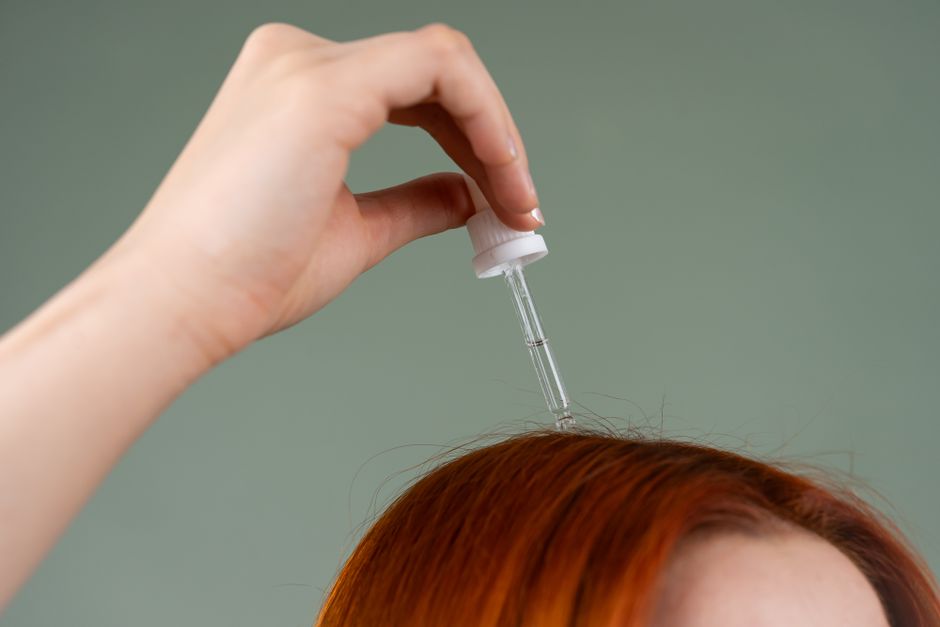
Linalool is a fragrant compound found naturally in many plants, and it is added to countless hair products for its pleasant floral scent. You will see it listed on shampoo, conditioner, and styling product labels, often near the end of the ingredient list. The short answer about safety is that linalool is generally considered safe for most people in the small amounts used in rinse-off hair products. However, it is also a known allergen, and some people develop skin reactions to it over time.
What Exactly Is Linalool and Why Is It in My Shampoo?
Linalool is a terpene alcohol. It occurs naturally in lavender, rosewood, bergamot, and coriander. Manufacturers extract it or create a synthetic version to give hair products a fresh, floral, or spicy scent.
Beyond just smelling nice, linalool helps mask the chemical odor of other ingredients. Many hair products contain sulfates, preservatives, and other compounds that do not smell pleasant on their own. Linalool covers that up without adding a heavy perfume.
It is also used because it is cheap and effective. Natural essential oils that contain linalool can be expensive and vary in quality. Using isolated linalool gives companies a consistent, predictable scent profile every batch.
How Common Is Linalool in Hair Products?
Very common. A quick scan of ingredient lists on drugstore shelves will show linalool in a large percentage of scented hair products. It appears in everything from drugstore brands to high-end salon lines.
According to the Environmental Working Group (EWG), linalool is used in thousands of personal care products. It is one of the most widely used fragrance ingredients in the world. You will almost always find it listed near the bottom of the ingredient list because the concentration is low.
Products labeled “fragrance-free” should not contain linalool. But products labeled “unscented” sometimes still use a masking fragrance that includes linalool. If you are trying to avoid it, read the full ingredient list, not just the front label claims.
Is Linalool Safe? What the Research Actually Says
The U.S. Food and Drug Administration (FDA) lists linalool as Generally Recognized as Safe (GRAS) when used as a food additive. The Cosmetic Ingredient Review (CIR) panel, an independent scientific body, has reviewed linalool and concluded it is safe for use in cosmetics at typical concentrations.
However, “safe for most people” is not the same as “safe for everyone.” The main concern with linalool is allergic contact dermatitis. This is a skin reaction that happens when your immune system becomes sensitized to a substance over time.
The European Union requires that linalool be listed separately on product labels if it is present above a certain concentration. This is because the EU classifies it as a known allergen. The U.S. does not have the same labeling requirement. Fragrance mixtures can be listed simply as “fragrance” or “parfum” without breaking down each component. This makes it harder for people with sensitivities to know exactly what is in their products.
Research published in the journal Contact Dermatitis found that linalool is one of the most common causes of positive patch test reactions in people with suspected fragrance allergies. The oxidized form of linalool, which forms when the product is exposed to air over time, is more likely to cause a reaction than fresh linalool.



What Are the Signs of a Linalool Reaction?
Reactions to linalool are not immediate for most people. They develop slowly with repeated use. This is called delayed hypersensitivity. You might use a shampoo for weeks or months before noticing a problem.
Common symptoms include:
- Redness and itching on the scalp, neck, or face
- Small bumps or dry, flaky patches
- Burning or stinging after washing
- Eczema-like rashes on the ears or eyelids
These symptoms are easy to mistake for dandruff, dry scalp, or irritation from other ingredients. If you develop a persistent scalp rash, consider whether you recently switched hair products. A dermatologist can perform a patch test to confirm whether linalool is the cause.
It is worth noting that linalool reactions are not common. Most people can use products containing it without any issue. But if you have a history of sensitive skin or fragrance allergies, you are at higher risk.
How Does Linalool Compare to Other Fragrance Ingredients?
Not all fragrance ingredients carry the same risk. Here is a quick comparison of common fragrance compounds used in hair products.
| Ingredient | Allergen Status | Common in Hair Products | Typical Reaction Type |
|---|---|---|---|
| Linalool | Known allergen (oxidized form) | Very common | Delayed contact dermatitis |
| Limonene | Known allergen (oxidized form) | Very common | Delayed contact dermatitis |
| Geraniol | Known allergen | Common | Delayed contact dermatitis |
| Citronellol | Known allergen | Common | Delayed contact dermatitis |
| Fragrance (unspecified mix) | Varies widely | Extremely common | Can be immediate or delayed |
The key takeaway here is that linalool is not uniquely dangerous. It is in the same category as several other common fragrance ingredients. The risk is real but relatively low for the general population.
One important difference is that linalool and limonene become more allergenic as they oxidize. An old bottle of shampoo that has been sitting in a warm bathroom for months may be more likely to cause a reaction than a fresh bottle. This is not something most people think about, but it matters for sensitive individuals.
What to Do If You Suspect a Linalool Sensitivity
If you think linalool might be bothering your scalp or skin, the first step is to stop using the product. Switch to a fragrance-free shampoo and conditioner for two to four weeks. Look for products labeled “fragrance-free” rather than “unscented.”
If your symptoms clear up during that time, you have good evidence that fragrance is the issue. You can then reintroduce products one at a time to see if linalool specifically triggers a reaction.
For a definitive answer, see a board-certified dermatologist. They can perform patch testing using the standard series of fragrance allergens, which includes linalool. This is the only reliable way to confirm a diagnosis.
Keep in mind that patch testing uses higher concentrations of linalool than what is typically in hair products. A positive patch test means you are allergic, but it does not necessarily mean you will react to every product containing trace amounts. Some people with mild sensitivity can tolerate low levels in rinse-off products.
Common Misconceptions About Linalool
There is a lot of misinformation about linalool online. One common claim is that linalool is toxic or carcinogenic. That is not supported by evidence. The FDA and CIR have both reviewed the data and found no cancer risk at the levels used in cosmetics.
Another myth is that “natural” linalool from essential oils is safer than synthetic linalool. Chemically, they are identical. The molecule is the same regardless of its source. Allergic reactions can happen with either form.
Some people also believe that if a product is labeled “organic” or “natural,” it cannot contain linalool. This is false. Many organic and natural products rely on essential oils that are naturally high in linalool. Lavender oil, for example, is about 30 to 40 percent linalool by weight. An organic lavender shampoo can contain far more linalool than a conventional synthetic one.
Frequently Asked Questions
Is linalool the same as lavender?
No. Linalool is a chemical compound found in lavender and many other plants. Lavender oil contains many compounds besides linalool.
Can linalool cause hair loss?
There is no evidence that linalool directly causes hair loss. Scalp irritation from an allergic reaction could lead to temporary shedding, but this is not true hair loss.
Is linalool safe for pregnant women?
Yes, in the small amounts used in hair products. Linalool is not absorbed through the skin in significant enough amounts to pose a risk during pregnancy.
Does linalool build up in the body over time?
No. Linalool is rapidly broken down and eliminated by the body. It does not accumulate in tissues.
