
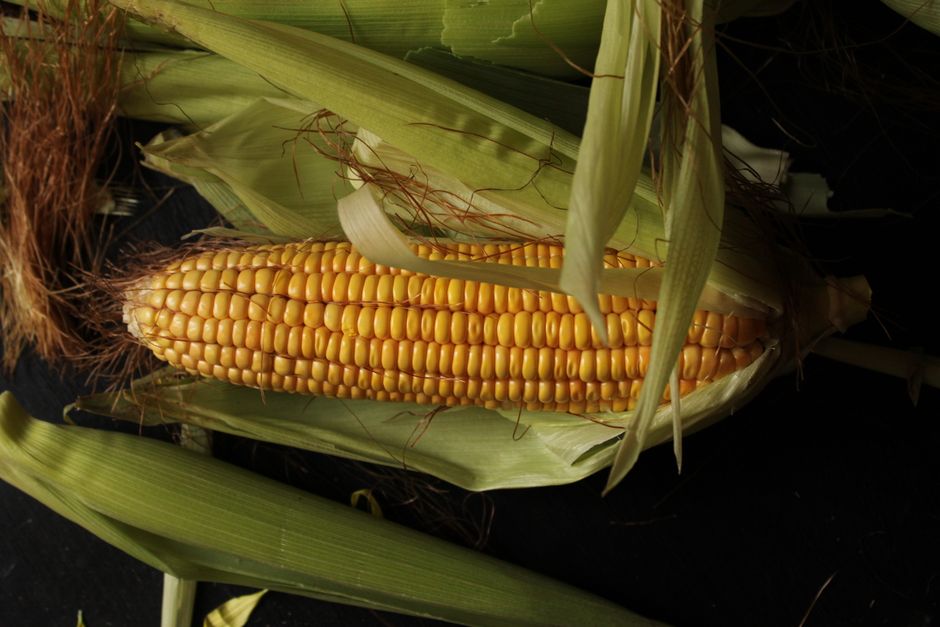
Corn is in more of your day than you probably realize. It shows up in the food on your plate, the fuel in your gas tank, the packaging around your groceries, and the hand sanitizer on your desk. A single kernel can be split, milled, fermented, or chemically processed into hundreds of different products. That range is why corn is one of the most widely grown crops on earth.
What products are made from corn? The answer spans food ingredients like cornstarch, corn syrup, and corn oil; industrial products like ethanol fuel, bioplastics, and packing material; and household items from cosmetics to cleaning supplies. Not every kernel goes to the same place. Different types of corn and different parts of the kernel feed different industries.
What Part of the Corn Kernel Ends Up in Products?
A corn kernel is not one uniform thing. It has four main parts, and each one becomes something different.
The endosperm is the starchy center and makes up the bulk of the kernel by weight. It is the source of cornstarch, corn flour, cornmeal, and the sugars used in processed foods. The germ is the small inner portion that contains the oil. Most corn oil comes from here. The pericarp is the outer hull, which becomes corn bran and animal feed fiber. The tip cap is where the kernel attached to the cob.
This matters because “corn” in an ingredient list can mean very different things depending on which part was used and how it was processed. A bag of corn chips and a bottle of corn ethanol share a starting material but almost nothing else.
What Food Products Are Made From Corn?
Corn appears in food in two broad ways: as a recognizable ingredient and as a processed additive you would not identify by taste or sight.
Whole and minimally processed corn products include sweet corn eaten on the cob or canned, popcorn, grits, polenta, corn tortillas, and masa. These keep much of the kernel intact.
Refined corn ingredients are far more widespread. They include:
- Cornstarch, used as a thickener in sauces, soups, and baked goods
- Corn syrup and high-fructose corn syrup, used as sweeteners in sodas, candy, and many packaged foods
- Corn oil, a common cooking oil and a source of fat in processed foods
- Cornmeal and corn flour, used in breads, cereals, and snacks
- Dextrose and maltodextrin, used as sweeteners, fillers, and texture agents
- Corn bran, added to some foods for fiber
One non-obvious point: high-fructose corn syrup and table sugar are both roughly half glucose and half fructose, though the exact ratio in high-fructose corn syrup varies by product. The difference between them is mainly how they are made and how they behave in food manufacturing, not a dramatic difference in basic composition.
How Is Corn Turned Into Ethanol Fuel?
Fuel ethanol is made mostly from field corn, the starchy type grown for industrial use rather than eating. The process is essentially industrial fermentation.
The starch in the kernel is broken down into simple sugars. Yeast then ferments those sugars into alcohol, the same basic reaction that makes beer or bread rise. The alcohol is distilled and concentrated to fuel grade. What remains after fermentation, called distillers grains, is typically sold as livestock feed rather than discarded.
In the United States, most gasoline sold contains some ethanol, commonly a blend of about 10 percent ethanol and 90 percent gasoline. Higher blends exist but require vehicles designed to run on them. That means a large share of the corn crop does not end up on a plate at all.
Ethanol is not the only fuel product. Corn can also be processed into industrial alcohols and chemicals used as building blocks for other materials.





What Non-Food Products Come From Corn?
Beyond food and fuel, corn is a raw material for a wide range of industrial and household goods. Many of these rely on fermentation or chemical conversion of corn sugars and starch.
Common examples include:
- Bioplastics such as polylactic acid (PLA), used in some cups, containers, and 3D printing filament
- Packing peanuts and compostable packaging made from cornstarch
- Ethanol used in hand sanitizers and cleaning products
- Citric acid, widely used as a preservative and flavoring, often produced by fermenting corn-derived sugars
- Industrial alcohols and solvents
- Some cosmetics, lotions, and personal care items that use corn-derived ingredients as thickeners or carriers
PLA is a useful example of an honest limitation. It is marketed as a greener alternative to petroleum plastic, and it is made from a renewable crop. But it only breaks down well under specific industrial composting conditions. In a home compost pile or a landfill, it can persist for a long time. Renewable source does not automatically mean fast degradation.
Why Is Corn in So Many Products?
Corn is cheap, abundant, and chemically flexible. Those three traits explain most of its reach.
It grows well across a wide range of climates, yields a large amount of starch per acre, and stores well. Starch can be converted into sugars, alcohols, oils, and acids through well-understood industrial processes. That versatility makes it a practical starting point for manufacturers across many industries.
Government agricultural policies in the United States have also shaped how much corn is grown and where it goes, particularly for ethanol. The result is a crop that flows into food, fuel, and manufacturing at the same time.
For consumers, the practical takeaway is that “corn” on a label tells you very little on its own. The form matters. A corn tortilla and a corn-derived industrial solvent are not comparable products, even though they start from the same plant.
Is Corn in Food the Same as Corn in Fuel?
No. The corn used for fuel is generally not the same type you eat off the cob.
Sweet corn is grown for eating. Field corn, also called dent corn, is the starchy type used for ethanol, animal feed, and many processed ingredients. It is harvested drier and is not sweet or tender enough to eat as a vegetable.
This distinction matters for a common misunderstanding. When people worry that fuel production is “using up” the corn they eat, the two are largely separate crops with separate supply chains, though they do compete for land and can be affected by the same market forces.
Frequently Asked Questions
What everyday products are made from corn?
Corn is used in foods like cornstarch, corn syrup, corn oil, and tortillas, and in non-food items like ethanol fuel, bioplastics, packing material, and some cosmetics. Many processed foods also contain corn-derived ingredients that are not obvious from the label.
Is high-fructose corn syrup the same as sugar?
Both are roughly half glucose and half fructose, so they are similar in basic composition, though the exact ratio in high-fructose corn syrup varies by product. The main differences are in how they are made and how they function in food manufacturing.
Can you eat the corn used to make ethanol?
No. Fuel ethanol is made from field corn, a starchy type that is not sweet or tender enough to eat as a vegetable. Sweet corn is a separate crop grown for eating.
Is corn plastic actually biodegradable?
Corn-based PLA plastic breaks down well only under specific industrial composting conditions. In a home compost pile or a landfill, it can persist for a long time.
