
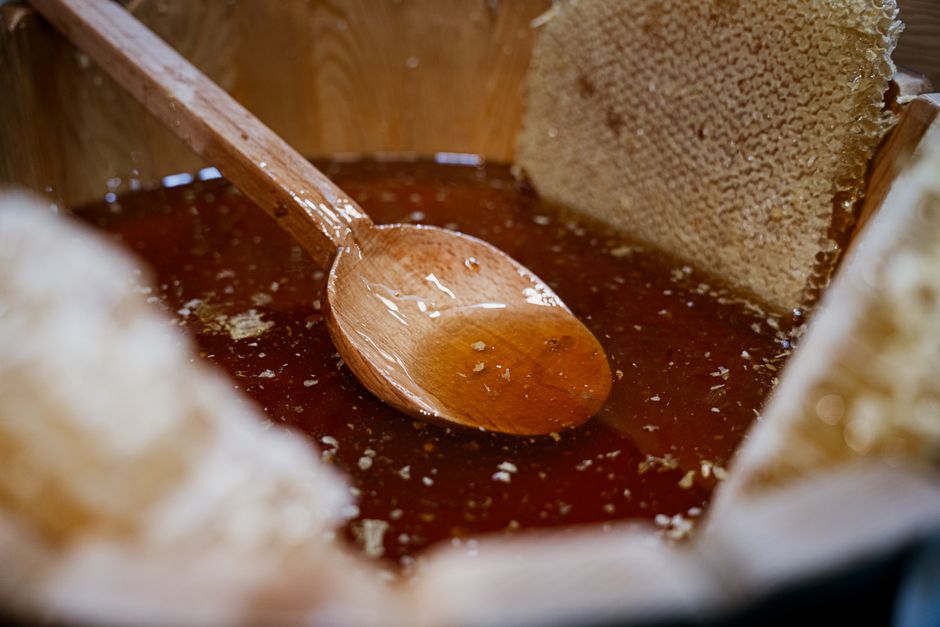
A food extract is a concentrated substance made by pulling flavor, color, or nutrients out of a plant or other natural source and putting them into a liquid. The process usually involves soaking the source material in a solvent like water or alcohol, then filtering out the solid bits. What remains is a potent liquid that carries the essence of the original food, whether that is vanilla, almond, or even a medicinal herb.
What Is Extract In Food And How Is It Made?
Extracts are made through a process called extraction. The basic idea is to separate the desirable compounds from the plant material. For vanilla extract, the vanilla beans are soaked in a mixture of water and alcohol. The alcohol pulls out the vanillin and other flavor compounds from the bean. After several weeks, the liquid is filtered and bottled. The result is a concentrated flavoring that is much stronger than the original bean.
Different extracts use different solvents. Alcohol is common because it dissolves flavor compounds well and acts as a preservative. Water is used for some extracts, like coffee or tea, where the flavors dissolve easily. Glycerin is another option, often used when avoiding alcohol. The solvent choice affects the final flavor and shelf life of the extract.
Some extracts are made by cold pressing. This method is used for citrus peels, where the oils are pressed out without heat. Other extracts use heat to speed up the process, though this can change the flavor. The method matters because it determines whether the extract tastes fresh or cooked.
What Are The Most Common Types Of Food Extracts?
Vanilla extract is the most widely used extract in home baking. It is made from vanilla beans and alcohol. The FDA has a standard of identity for pure vanilla extract, meaning it must contain a certain amount of vanilla bean solids and alcohol. Imitation vanilla uses synthetic vanillin instead of real beans and is much cheaper to produce.
Almond extract is another common one. It is made from bitter almonds or apricot kernels. The flavor comes from benzaldehyde, a compound that tastes strongly like almond. Even a tiny amount adds a big flavor to baked goods.
Lemon and orange extracts are made from citrus peels and oils. They are more concentrated than citrus juice or zest. A few drops can flavor an entire cake or batch of cookies.
Peppermint extract is made from peppermint leaves and alcohol. It is very potent, so recipes usually call for only a small amount. A whole bottle can be too much for a single recipe.
Other extracts include coffee, maple, coconut, and rum. These are less common in baking but still used for specific recipes. Each one follows the same basic principle: concentrate the flavor into a small amount of liquid.
How Are Natural And Artificial Extracts Different?
Natural extracts come from the actual plant source. The flavor compounds are extracted directly from the beans, seeds, peels, or leaves. The label will list the source, like “vanilla bean extract” or “almond extract.”
Artificial extracts are made in a laboratory. They contain synthetic versions of the same flavor compounds found in nature. For example, artificial vanilla uses vanillin made from lignin or petroleum byproducts. Artificial almond uses synthetic benzaldehyde. These taste similar to natural extracts but lack the complex secondary notes found in the real thing.
The price difference is significant. Natural vanilla extract can cost many times more than imitation vanilla. This is because real vanilla beans require hand pollination and lengthy curing. The synthetic version is cheap to produce at scale.
For baking, both work well. Natural extracts offer more depth of flavor. Artificial extracts are more consistent and cheaper. Some people notice the difference in raw applications like frosting or ice cream, where the flavor is not cooked. In baked goods with many other ingredients, the difference is often harder to detect.



What Does “Natural Flavor” Mean On A Food Label?
The term “natural flavor” on a food label is not the same as a food extract. Natural flavors are derived from plant or animal sources but can be highly processed. They may contain dozens of chemical compounds that are combined to create a specific taste.
Food manufacturers use natural flavors to enhance or replicate tastes in processed foods. These are not the same as the extracts you buy for baking. A product labeled with “natural flavor” might use extracts as one component, but it could also use other compounds extracted from various sources.
The FDA defines natural flavor as an essential oil, oleoresin, essence, or extract that contains the flavoring constituents from a spice, fruit, fruit juice, vegetable, or other plant source. The key difference is that natural flavors are often proprietary blends designed for a specific product. Extracts are simpler and sold directly to consumers.
Are Food Extracts Safe To Consume?
Food extracts are safe when used in normal cooking amounts. The alcohol in most extracts evaporates during baking, leaving behind the flavor compounds. However, the extract itself contains alcohol, so it should not be given to children in its raw form.
Some extracts contain compounds that are toxic in large amounts. Almond extract contains benzaldehyde, which is safe in food amounts but can be harmful if consumed in large quantities. The same is true for nutmeg extract, which contains myristicin. These risks only apply to consuming the extract directly in large amounts, not to using them in recipes.
People with allergies should check labels carefully. Almond extract may trigger reactions in people with tree nut allergies, even though the proteins are usually removed during extraction. The FDA requires labeling for major allergens, but the extraction process can affect how the allergen is classified.
Alcohol-free extracts are available for people who avoid alcohol for religious, medical, or personal reasons. These use glycerin or propylene glycol as the solvent. They work well in most recipes, though the flavor may be slightly different.
How Should You Store Food Extracts?
Extracts should be stored in a cool, dark place away from heat and sunlight. The pantry or a kitchen cabinet works well. Heat and light can break down the flavor compounds and shorten the shelf life.
Pure vanilla extract can last for several years when stored properly. The alcohol acts as a preservative. Over time, the flavor may mellow but the extract remains safe to use. Some people believe vanilla improves with age, similar to wine.
Artificial extracts also last a long time but may lose potency faster than natural ones. The synthetic compounds can break down more quickly. If an extract changes color, develops an off odor, or grows sediment, it is best to replace it.
Do not store extracts in the refrigerator. The cold can cause cloudiness or separation. Room temperature storage is ideal. Keep the bottles tightly sealed to prevent evaporation of the alcohol.
Can You Make Extracts At Home?
Yes, you can make extracts at home. Vanilla extract is the most popular homemade option. You need vanilla beans, alcohol, and time. The beans are split open and placed in a glass jar with vodka or another neutral spirit. The jar is sealed and stored in a dark place for several months. The longer it sits, the stronger the flavor becomes.
Making extracts at home requires patience. The alcohol needs time to pull the flavor compounds from the plant material. Most recipes recommend waiting at least eight weeks. Some people wait six months or longer for a richer flavor.
Home extracts are not regulated the same way commercial ones are. The strength can vary depending on the beans and alcohol used. This means you might need to adjust the amount used in recipes. Start with less and add more to taste.
Other extracts can be made at home too. Citrus peels can be steeped in alcohol to make orange or lemon extract. Mint leaves work the same way. Coffee beans can be soaked to make coffee extract. The process is always the same: combine the source material with alcohol, wait, and strain.
What Is The Difference Between Extracts And Essential Oils?
Essential oils are different from food extracts. Essential oils are made through steam distillation or cold pressing. They contain the volatile aromatic compounds of a plant in a highly concentrated form. They are not meant to be consumed in the same way as extracts.
Food extracts are diluted and meant for culinary use. Essential oils are much more potent and can be toxic if consumed in the wrong amounts. Some essential oils are food-grade and used in small amounts for flavoring, but most are intended for aromatherapy or topical use.
Using essential oils in cooking is not the same as using extracts. The concentration is dramatically different. A drop of peppermint essential oil is far stronger than a drop of peppermint extract. Confusing the two can ruin a recipe or cause health problems.
If you want to flavor food, use extracts. They are made for this purpose and are safe in the amounts called for in recipes. Essential oils should only be used in food if they are specifically labeled as food-grade and you understand the proper dilution.
Frequently Asked Questions
Are extracts in food the same as artificial flavors?
No. Extracts are made from real plant sources, while artificial flavors are synthesized in a laboratory. Both can be used for flavoring, but they come from different origins.
Can you use extracts past their expiration date?
Yes, most extracts remain safe to use for years past their expiration date. The flavor may weaken over time, but the extract will not become harmful.
Is vanilla extract safe during pregnancy?
Vanilla extract contains alcohol, so some healthcare providers recommend avoiding it in large amounts during pregnancy. Using it in baked goods is generally considered safe because the alcohol evaporates during baking.
Why are some extracts more expensive than others?
The cost of the source material drives the price. Vanilla beans are expensive and labor-intensive to grow, so pure vanilla extract costs more than synthetic or less costly extracts.
