
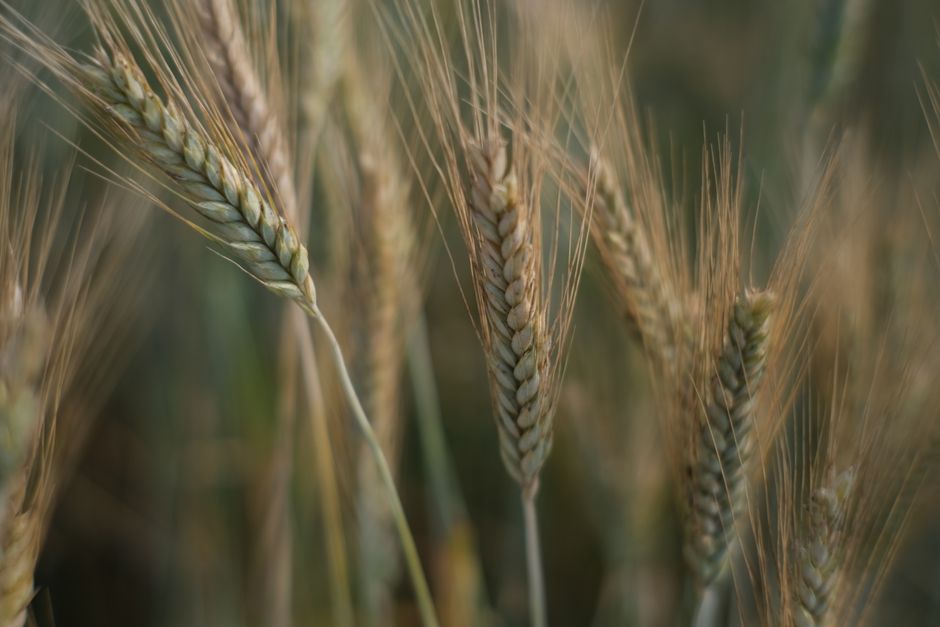
Gluten is removed from wheat products through a washing process that separates the starchy parts of wheat flour from the proteins. When water is added to wheat flour and kneaded, the gluten proteins bind together into an elastic mass that can be physically separated from the starch and water-soluble components. This industrial process, often called starch washing, is how most commercial gluten-free wheat starch is produced.
How Is Gluten Removed From Wheat Products?
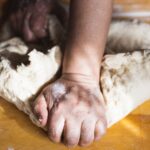
The process starts with wheat flour mixed with water to form a dough. The dough is kneaded continuously, which allows the gluten proteins—gliadin and glutenin—to develop and form a sticky, elastic network. Water washes away the starch granules and other soluble components, leaving behind a rubbery ball of gluten.
For food manufacturing, this happens on a large scale. Machinery kneads and rinses the dough repeatedly until the starch is extracted. The starch is then dried and milled into a fine powder. This powder is what companies call wheat starch.
The key point is that this washing process does not remove all gluten. It reduces it to very low levels. For people with celiac disease, even tiny amounts matter, so the resulting wheat starch must be tested and treated further before it can be considered safe.
What Is Gluten-Free Wheat Starch?
Gluten-free wheat starch is wheat starch that has been washed to remove gluten and then tested to confirm the remaining gluten level is below a strict threshold. In the United States, the Food and Drug Administration allows foods labeled “gluten-free” to contain less than 20 parts per million (ppm) of gluten. Wheat starch that meets this standard can legally be used in gluten-free products.
This is a critical distinction. Ordinary wheat starch is not safe for people with celiac disease. Only specially processed and tested gluten-free wheat starch is acceptable. The label must clearly state that the product contains wheat starch that has been processed to remove gluten.
Some people are surprised to learn that gluten-free products can contain wheat. The law permits this if the final product tests below 20 ppm. This threshold is based on clinical evidence showing that most people with celiac disease do not experience intestinal damage at levels below this amount.
Why Do Manufacturers Use Wheat Starch in Gluten-Free Products?
Wheat starch has functional properties that other flours do not easily replicate. It provides structure, texture, and a certain chewiness that gluten-free baking often lacks. Rice flour, cornstarch, and tapioca starch can substitute, but they behave differently in baked goods.
Gluten-free wheat starch helps create lighter, more bread-like textures. It absorbs moisture predictably and blends well with other gluten-free flours. For these reasons, many commercial gluten-free breads, pastas, and baked goods include it.
However, not all gluten-free brands use it. Some companies avoid wheat entirely because of concerns about cross-contamination or customer anxiety. Others choose certified gluten-free wheat starch because it improves the final product quality.



Is Gluten-Free Wheat Starch Safe for People with Celiac Disease?
Clinical evidence indicates that gluten-free wheat starch tested below 20 ppm is safe for most people with celiac disease. Research has shown that products made with this ingredient do not cause intestinal damage when consumed as part of a gluten-free diet.
That said, individual sensitivity varies. A small number of people with celiac disease react to even trace amounts of gluten. Some also react to other proteins in wheat, such as wheat germ agglutinin, which is not removed during starch washing. For these individuals, wheat starch is not safe regardless of the gluten level.
If you have celiac disease and are considering products with gluten-free wheat starch, the safest approach is to speak with your gastroenterologist or a registered dietitian who specializes in celiac disease. They can help you decide based on your personal history and sensitivity.
How Do You Remove Gluten at Home?
You can wash gluten out of wheat flour in your own kitchen, but the result will not be truly gluten-free. The home washing process is the same principle: mix flour and water, knead the dough, and rinse away the starch. The leftover gluten ball can be cooked as seitan, a meat substitute popular in vegetarian cooking.
What remains in the rinse water is wheat starch. If you let the water settle, the starch collects at the bottom. You can dry it and use it as a thickener or in baking. But this homemade wheat starch will still contain measurable gluten—likely far above the 20 ppm threshold.
Commercial processing uses specialized equipment, multiple washing cycles, and laboratory testing to achieve the low gluten levels required for the gluten-free label. Home methods cannot reliably match that standard.
What Is the Difference Between Wheat Starch and Wheat Flour?
Wheat flour contains the entire ground wheat kernel minus the bran and germ in white flour. It contains starch, protein, fiber, and other nutrients. The protein fraction includes gluten, which is why wheat flour is not gluten-free.
Wheat starch is the isolated starch fraction only. During processing, the protein is largely washed away. But “largely” is not “completely.” Some gluten protein remains bound to the starch granules.
This is why food labels matter. A product listing “wheat starch” as an ingredient is not automatically gluten-free. It must also carry a gluten-free certification or label indicating the starch has been processed to remove gluten.
Does Fermentation Remove Gluten?
Fermentation does not remove gluten. Some sourdough processes break down gluten proteins partially, but they do not eliminate them. Studies show that traditional sourdough fermentation reduces gluten content but not to levels safe for people with celiac disease.
There is ongoing research into using enzymes, such as prolyl endopeptidases, to break down gluten during food processing. Some experimental products use this approach. However, no enzyme-treated wheat product has been clinically proven safe for people with celiac disease as of now.
The only reliable method for making wheat products safe for celiac disease is physical separation through starch washing, followed by rigorous testing.
How Can You Tell If a Product Is Safe?
Read the ingredient list and look for a gluten-free label. In the US, the FDA requires that any food labeled gluten-free contains less than 20 ppm of gluten. This applies to wheat starch as well.
Look for third-party certification seals, such as those from the Gluten-Free Certification Organization (GFCO), which often require an even stricter threshold of less than 10 ppm. These certifications involve independent testing and facility audits.
When in doubt, contact the manufacturer. Ask whether their wheat starch is tested for gluten and what the testing threshold is. Reputable companies will provide this information clearly.
Frequently Asked Questions
Can gluten be completely removed from wheat?
No, gluten cannot be completely removed from wheat through any current process. Commercial washing reduces gluten to very low levels, below 20 parts per million, but never to absolute zero.
Is wheat starch the same as gluten-free wheat starch?
No, regular wheat starch contains gluten. Gluten-free wheat starch is specially processed and tested to confirm it contains less than 20 parts per million of gluten.
Why do some gluten-free products contain wheat?
Because they use gluten-free wheat starch, which is wheat starch processed to remove gluten and tested to meet the legal threshold for gluten-free labeling.
Can I wash gluten out of flour at home?
You can wash most of the gluten out, but the remaining starch will still contain gluten at levels too high to be safe for people with celiac disease.
