
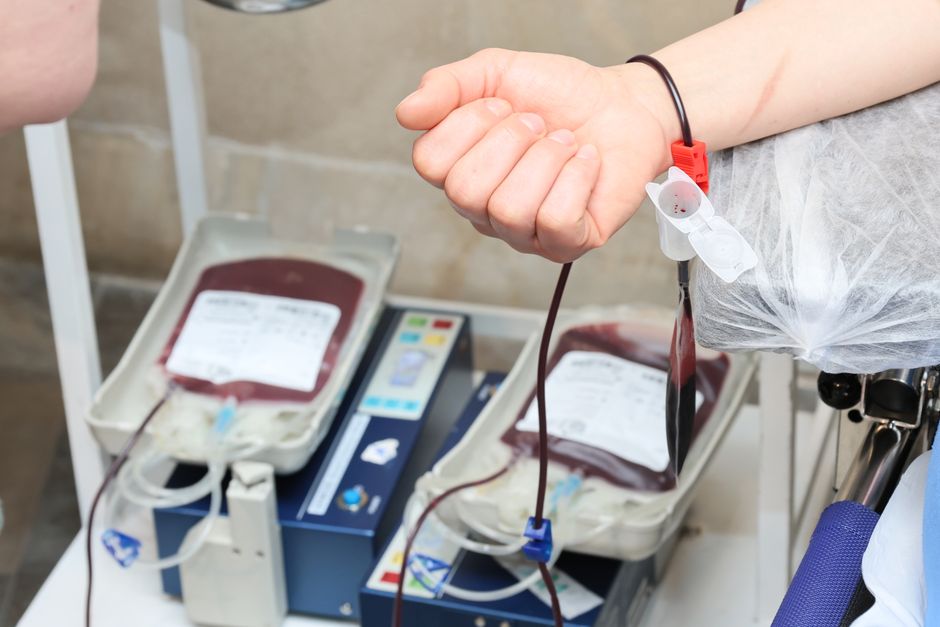
Blood is made of two main parts: liquid and cells. The liquid part, called plasma, makes up about 55% of your total blood volume. The solid part, which includes red blood cells, white blood cells, and platelets, makes up the remaining 45%. That is the 55/45 split you may have heard about. It is not an exact number for every person, but it is the standard average used in medicine and physiology.
What Exactly Is Blood Plasma?
Plasma is the pale yellow liquid that carries everything else in your blood. It is about 92% water, but the other 8% matters a great deal. That 8% contains proteins, electrolytes, hormones, vitamins, and waste products.
The most abundant protein in plasma is albumin. It helps keep fluid inside your blood vessels. Without enough albumin, fluid leaks out into tissues, causing swelling. Plasma also carries clotting factors, antibodies, and nutrients like glucose and amino acids.
Plasma is not the same as serum. Serum is what remains after blood clots and the clotting factors are removed. Plasma still contains those clotting proteins. This distinction matters for lab testing and for medical treatments.
What Makes Up the Other 45%?
The remaining 45% of blood is made of formed elements — the cells and cell fragments suspended in the plasma. These are produced in the bone marrow and each type has a distinct job.
- Red blood cells (erythrocytes): These make up the vast majority of the 45%. They carry oxygen from the lungs to tissues and return carbon dioxide back to the lungs.
- White blood cells (leukocytes): These are part of your immune system. They fight infections and respond to inflammation. They make up a very small fraction of the total blood volume.
- Platelets (thrombocytes): These are tiny cell fragments that help blood clot when you get a cut or injury.
Red blood cells are so numerous that they dominate the 45%. White blood cells and platelets together account for less than 1% of your total blood volume.
Why Is the Ratio Called 55/45 and Not Exact?
The 55/45 split is a clinical average, not a universal constant. The actual percentage varies from person to person and even from hour to hour within the same person.
The medical term for the percentage of blood made up of red blood cells is the hematocrit. A normal hematocrit for an adult man is roughly 40% to 52%. For an adult woman, it is roughly 36% to 48%. If your hematocrit is 45%, then your plasma is about 55%. If your hematocrit is 40%, your plasma is about 60%.
Several factors shift this balance. Dehydration reduces plasma volume, which makes the red blood cell percentage appear higher. Pregnancy increases plasma volume, which lowers the hematocrit. Living at high altitude stimulates more red blood cell production, raising the hematocrit. Anemia lowers red blood cell counts, which raises the plasma percentage.
So when someone says blood is 55% plasma and 45% cells, they are describing a typical healthy adult. It is a useful rule of thumb, not a law of biology.



How Do Doctors Measure the Plasma Percentage?
Doctors do not usually measure plasma percentage directly. They measure hematocrit, which is the red blood cell portion, and estimate plasma from that.
A standard blood test called a complete blood count (CBC) includes a hematocrit measurement. A small sample of blood is placed in a tube and spun in a centrifuge. The heavy red blood cells settle at the bottom. The lighter plasma rises to the top. The white blood cells and platelets form a thin layer between them called the buffy coat.
The machine then calculates what percentage of the total volume is red blood cells. That number is the hematocrit. Subtract it from 100 to get the approximate plasma percentage.
This is a routine test performed millions of times daily in hospitals and clinics. It is quick, inexpensive, and reliable for screening purposes.
Why Plasma Matters for Medical Treatment
Plasma is not just a passive fluid. It is a lifesaving medical product used in transfusions. When a patient has severe bleeding, burns, or liver disease, they may need plasma to restore clotting function.
Fresh frozen plasma (FFP) is plasma that has been separated from donated blood and frozen within hours. It contains all the clotting factors in their active form. It is given to patients who are actively bleeding or who have a known clotting factor deficiency.
Plasma is also the source of several critical medications. Albumin extracted from plasma is used to restore blood volume in patients with severe burns or shock. Immunoglobulin therapies, which contain antibodies, are made from pooled plasma donations. Clotting factor concentrates for hemophilia patients are also derived from plasma.
This is why blood donation centers emphasize plasma donation. One plasma donation can be separated into multiple products that help many different patients.
What Happens When Plasma Levels Change?
Plasma volume is tightly regulated by your kidneys and hormones. Your body works to keep it within a narrow range because both too much and too little cause problems.
Low plasma volume, called hypovolemia, occurs with dehydration, severe bleeding, or burns. Blood pressure drops because there is less fluid filling the vessels. Organs may not get enough oxygen. This is a medical emergency that requires IV fluids or blood products.
High plasma volume, called hypervolemia, occurs with kidney failure, heart failure, or excessive IV fluids. The extra fluid can build up in the lungs, causing difficulty breathing, or in the legs, causing swelling. Medications called diuretics are often used to help the kidneys remove excess fluid.
Both conditions are serious. The body has no way to function normally when plasma volume drifts too far from its set point.
Does Donating Blood Change Your Plasma Percentage?
When you donate a unit of whole blood, you give about one pint. That is roughly 10% of your total blood volume. Your body responds quickly.
Within hours, your body pulls fluid from tissues into the bloodstream to restore plasma volume. This is why you are advised to drink water after donating. The red blood cell count takes longer to recover — usually several weeks — because those cells must be produced in the bone marrow.
Plasma donation, also called plasmapheresis, removes only the plasma and returns the red blood cells to you. Your plasma protein levels recover within about 48 hours. This is why plasma donors can donate more frequently than whole blood donors.
Your 55/45 ratio temporarily shifts after donation but returns to normal as your body replenishes what was removed.
How Does the 55/45 Split Compare Across Species?
Humans are not unique in having a specific plasma-to-cell ratio. Different animals have different proportions based on their physiology.
Fish have a higher plasma percentage because their red blood cells are larger and fewer per volume. Birds have a higher red blood cell percentage than mammals because they need more oxygen for flight. Reptiles and amphibians have lower metabolic rates and therefore need fewer red blood cells.
Even within mammals, there is variation. Dogs and cats have hematocrits similar to humans, while horses and cattle can have slightly higher red blood cell percentages. These differences are normal for each species and are accounted for in veterinary medicine.
For humans, the 55/45 split is a useful reference point, but your individual numbers matter more than the average. If you are curious about your own ratio, a simple blood test can tell you exactly where you fall.
Frequently Asked Questions
What percent of blood is plasma in an average adult?
About 55% of an average adult’s blood volume is plasma. The remaining 45% is made up of red blood cells, white blood cells, and platelets.
Is the 55/45 blood ratio the same for everyone?
No, the ratio varies by age, sex, altitude, and health status. Women typically have slightly lower hematocrits than men, and dehydration or pregnancy can shift the balance.
What is the difference between plasma and serum?
Plasma contains clotting factors, while serum does not. Serum is what remains after blood has clotted and those factors have been consumed.
Can drinking water change your plasma percentage?
Yes, temporarily. Drinking water increases plasma volume, which lowers the percentage of red blood cells. Severe dehydration does the opposite by concentrating the blood.
