
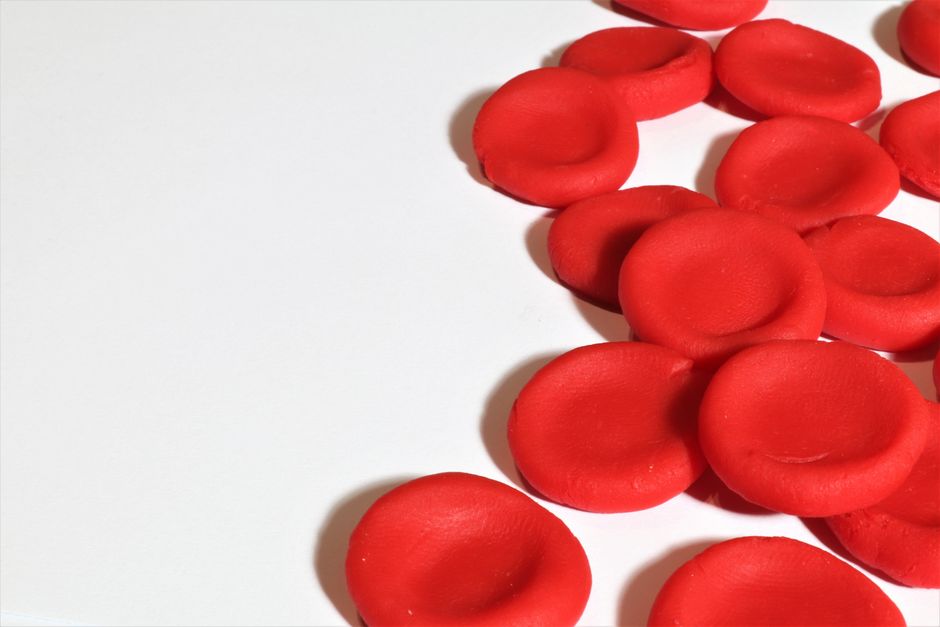
Every cell in your body needs oxygen to make energy, and the trip that oxygen takes from the air to your cells depends on two things working together: your lungs and a protein inside your red blood cells called hemoglobin. Your lungs pull oxygen out of the air and move it into your blood. Hemoglobin then grabs that oxygen and carries it through your bloodstream to every tissue in your body. Neither can do the job alone.
Understanding how these two systems connect explains a lot — why anemia makes you tired, why lung disease affects your whole body, and why oxygen levels are such an important vital sign. Here is how the process actually works, step by step.
What Oxygenates Blood How Hemoglobin And Lungs Work?
Blood gets its oxygen through gas exchange in the lungs, and hemoglobin is the molecule that holds and transports that oxygen. The lungs bring air into tiny sacs called alveoli, where oxygen crosses into the bloodstream. Hemoglobin, packed inside red blood cells, binds to that oxygen and carries it to your organs and tissues.
The process depends on a simple physical principle: gases move from areas of higher concentration to areas of lower concentration. This is called diffusion, and it is the engine behind everything that happens next.
Step one: breathing brings oxygen in
When you inhale, air travels down your windpipe and into branching airways that get smaller and smaller. These end in clusters of tiny air sacs — the alveoli. There are hundreds of millions of them in a pair of healthy adult lungs, and their combined surface area is roughly the size of a tennis court. That huge surface is what allows so much oxygen to move into the blood so quickly.
Step two: oxygen crosses into the blood
The walls of the alveoli are extremely thin, and so are the walls of the capillaries that wrap around them. Oxygen in the air inside the alveoli is at a higher concentration than oxygen in the blood arriving at the lungs. So oxygen diffuses across the thin barrier and into the blood. At the same time, carbon dioxide — a waste product from your cells — moves in the opposite direction, from blood into the alveoli, so you can breathe it out.
This exchange is fast. In healthy lungs, blood passing through the capillaries picks up oxygen in a fraction of the time it spends there.
Step three: hemoglobin picks up the oxygen
Once oxygen is in the blood, only a small amount dissolves directly in the plasma. The vast majority is carried by hemoglobin. Each red blood cell contains millions of hemoglobin molecules, and each hemoglobin molecule can carry up to four oxygen molecules. That capacity is what makes hemoglobin so essential.
Hemoglobin binds oxygen more readily when oxygen levels are high — as they are in the lungs — and releases it more readily when oxygen levels are low, as they are in active tissues. This is not a coincidence. It is a built-in delivery system that lets hemoglobin load up in the lungs and unload where oxygen is needed most.
Why Does Hemoglobin Matter So Much for Oxygen Delivery?
Without hemoglobin, your blood could not carry nearly enough oxygen to keep you alive. The amount that dissolves in plasma alone would fall far short of what your tissues demand. Hemoglobin is what makes the difference.
Hemoglobin is a protein built around iron. The iron atom at the center of each of its four subunits is where oxygen actually attaches. This is why iron matters so much in your diet — your body needs iron to make hemoglobin, and without enough iron, you cannot produce enough functional hemoglobin.
When hemoglobin is low, a condition called anemia, the blood carries less oxygen per unit of volume. The heart tries to compensate by pumping faster, and you may feel tired, short of breath, or weak, especially during activity. Anemia has many causes, including iron deficiency, blood loss, chronic disease, and inherited conditions. It is diagnosed with a blood test, not by symptoms alone.
How Do the Lungs and Hemoglobin Work Together?
The lungs and hemoglobin form a relay. The lungs load oxygen into the blood, and hemoglobin carries it the rest of the way. Problems in either part of the relay can reduce oxygen delivery to your tissues.
If the lungs are damaged or diseased, less oxygen gets into the blood in the first place. Conditions like chronic obstructive pulmonary disease (COPD), pneumonia, and pulmonary fibrosis can interfere with gas exchange by thickening the barrier between air and blood, reducing the surface area available, or filling the alveoli with fluid or inflammation.
If hemoglobin is low or abnormal, the blood cannot carry as much oxygen even when the lungs are working well. Sickle cell disease is one example — the hemoglobin itself is structurally different, which changes how red blood cells behave and how well oxygen is delivered.
The two systems are also linked in another way. Hemoglobin helps carry carbon dioxide back to the lungs for removal, so it plays a role on both sides of the gas exchange. This is part of why severe anemia or severe lung disease can affect the body far beyond feeling winded.


What Can Interfere With Oxygen Getting to Your Blood?
Many things can disrupt the path from air to blood. Some are temporary and mild. Others are serious and need medical care.
- Airway blockage: Asthma causes airways to narrow and tighten, making it harder for air to reach the alveoli.
- Alveolar damage: In emphysema, the walls of the alveoli break down, reducing the surface area for gas exchange.
- Fluid in the lungs: Heart failure or infection can cause fluid to collect in the alveoli, blocking oxygen from crossing into the blood.
- Thickened lung tissue: Scarring from conditions like pulmonary fibrosis makes the barrier between air and blood thicker, slowing diffusion.
- Low hemoglobin: Anemia reduces the blood’s oxygen-carrying capacity even when the lungs are healthy.
- High altitude: At elevation, the air contains less oxygen, so less is available to move into the blood.
One detail people often miss: a normal reading on a pulse oximeter does not always mean oxygen delivery is fine. A pulse oximeter estimates how saturated your hemoglobin is with oxygen, but it does not measure how much hemoglobin you have. Someone with severe anemia can show a normal oxygen saturation while still delivering too little oxygen to their tissues. This is one reason doctors look at hemoglobin levels and oxygen saturation together.
How Is Oxygen Level in the Blood Measured?
Doctors measure blood oxygen in a few ways, and each tells you something slightly different.
Pulse oximetry is the small clip-on device used in clinics and hospitals, and increasingly at home. It estimates oxygen saturation — the percentage of your hemoglobin that is carrying oxygen. In healthy people at sea level, normal oxygen saturation is generally considered to be about 95% or higher, though values can vary with altitude and individual health.
Arterial blood gas is a blood test that measures oxygen and carbon dioxide levels directly from an artery. It is more precise than a pulse oximeter and gives additional information about how well your lungs are exchanging gases.
Hemoglobin level is measured with a standard blood count. Together with oxygen saturation, it gives a fuller picture of how much oxygen your blood can actually deliver.
These measurements are interpreted by clinicians in context. A number alone rarely tells the whole story, and what counts as concerning depends on your overall health, your symptoms, and your medical history.
What Does Healthy Oxygen Delivery Depend On?
Healthy oxygen delivery depends on several things working together: clear airways, healthy alveoli, enough red blood cells, and enough normal hemoglobin inside them. A problem anywhere along that chain can reduce the oxygen your tissues receive.
The body has some ability to adapt. When oxygen delivery drops, the heart can pump more blood, breathing can speed up, and the body can produce more red blood cells over time. These adjustments help, but they have limits. That is why ongoing shortness of breath, unusual fatigue, or a persistently low oxygen reading deserves medical attention rather than guesswork.
This article is informational and is not a substitute for medical advice. If you have concerns about your breathing, your oxygen levels, or possible anemia, a clinician can evaluate you properly.
Frequently Asked Questions
What oxygenates blood in the lungs?
Oxygen from the air you breathe crosses the thin walls of the alveoli into tiny blood vessels called capillaries. Hemoglobin in red blood cells then binds that oxygen and carries it through the bloodstream.
What does hemoglobin do with oxygen?
Hemoglobin binds oxygen in the lungs, where oxygen levels are high, and releases it in tissues, where oxygen levels are lower. Each hemoglobin molecule can carry up to four oxygen molecules.
Can you have normal oxygen levels with anemia?
Yes. A pulse oximeter measures the percentage of hemoglobin carrying oxygen, not how much hemoglobin you have. Someone with anemia can show normal oxygen saturation while still delivering too little oxygen to tissues.
What happens when hemoglobin is low?
Low hemoglobin means your blood carries less oxygen per unit of volume, which can cause fatigue, weakness, and shortness of breath, especially during activity. Anemia is diagnosed with a blood test.
