
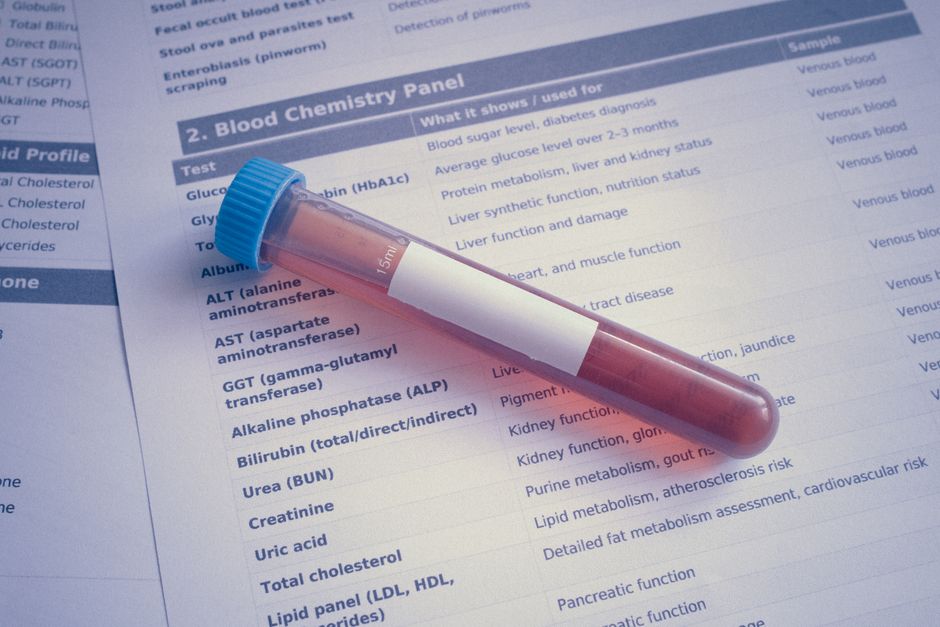
Most routine blood test results come back within 24 hours to a few days, though some tests take longer. The exact wait depends on which tests your doctor ordered, whether any results need a second look, and how your clinic handles reporting. Some results reach your patient portal within hours. Others, like certain hormone or specialized tests, can take a week or more.
That range surprises people. Blood draws feel instantaneous, so a multi-day wait can seem strange. The gap comes down to what happens to your sample after it leaves your arm.
How Long For Results Of Blood Work?
A basic metabolic panel or complete blood count often produces results the same day. Many hospital labs run these tests around the clock, and a physician can see results within hours.
Other timing patterns are common:
- Routine chemistry and blood count panels: often same day to 24 hours
- Thyroid, cholesterol, and most hormone tests: usually 1 to 3 days
- Tests that need special handling or a reference lab: several days to a week
- Blood cultures for infection: typically several days, because the lab must wait for organisms to grow
- Genetic and some specialized tests: can take weeks
Some tests have a built-in wait that has nothing to do with lab speed. A blood culture, for example, is checked over time to see whether bacteria or other organisms grow. That process cannot be rushed without losing accuracy.
So the real answer is that “blood work” is not one test. It is a category covering dozens of different tests, each with its own processing time.
Why Do Some Blood Test Results Take Longer Than Others?
Three things drive the delay: how the sample is processed, how long the test itself takes, and how many hands the result passes through.
First, processing. Some tests run on automated machines that handle hundreds of samples an hour. Others require a technician to prepare the sample by hand, add reagents, and run it on specialized equipment. Manual steps take longer.
Second, the test itself. A test that measures a substance directly is fast. A test that requires growing something, like a culture, or amplifying tiny amounts of genetic material is inherently slower.
Third, workflow. Many clinics batch their non-urgent blood draws and send them to an outside lab. The sample may travel by courier. It may sit in a queue. The result then goes back to your doctor’s office, where it waits to be reviewed.
A result can be finished at the lab and still not appear in your portal for another day, simply because it is waiting for a clinician to look at it and release it.
What Is the Difference Between a Routine Panel and a Specialized Test?
Routine panels are the workhorses of medicine. They measure common substances your body makes or uses every day, and labs run them constantly.
A complete blood count measures red cells, white cells, and platelets. A basic metabolic panel checks electrolytes, kidney function, and blood sugar. A lipid panel measures cholesterol and triglycerides. These are standardized, high-volume tests, and results usually come back quickly.
Specialized tests are different. They may measure an uncommon hormone, a specific antibody, or a genetic marker. Fewer labs run them, so your sample may be sent to a reference laboratory. That adds shipping and queue time.
Some specialized tests also require careful timing. Certain hormone levels shift throughout the day, so the lab may need to account for when the sample was drawn. Others need special tubes, specific temperatures, or protection from light.
| Test type | Typical turnaround |
|---|---|
| Complete blood count, basic metabolic panel | Same day to 24 hours |
| Lipid panel, thyroid panel | 1 to 3 days |
| Blood culture | Several days |
| Specialized or send-out tests | Several days to a week or more |
| Some genetic tests | Weeks |
These are general patterns, not fixed rules. Your own lab and clinic may run faster or slower.




Does the Type of Lab Affect How Fast You Get Results?
Yes. Where your blood is analyzed matters.
A hospital lab that runs tests on-site can often turn around routine results within hours. The sample never leaves the building, and the lab operates continuously.
A standalone clinic may draw your blood and send it to an outside commercial lab. That adds a courier trip and a processing queue. The result then travels back electronically to your doctor.
Direct-to-consumer testing services vary widely. Some promise results in a few days. Others take longer because they route samples through partner labs. The timeline depends on the company and the specific test.
One practical point: if your doctor marks a test as urgent, the lab usually prioritizes it. Routine tests wait in line behind urgent ones. This is one reason two people can get the same test on the same day and hear back at very different times.
When Should You Expect to Hear From Your Doctor?
Many clinics contact you only when a result needs attention. If everything looks normal, you may not get a call at all. That silence can be confusing, but it often means nothing was flagged.
If you have not heard anything and you are anxious, it is reasonable to call the office and ask. Ask specifically whether the results are back and whether they have been reviewed.
Some results genuinely need a conversation rather than a portal message. A result that is slightly outside the normal range may still be fine in context, and a doctor may want to explain that. A result that needs follow-up testing will usually prompt a call.
If a result is critical, labs and clinics have systems to flag it and reach the clinician quickly. This is standard practice, and it is why some results reach you fast while others wait.
What Can Delay Your Blood Test Results?
Several things can slow the process beyond normal turnaround.
- A sample that needs to be redrawn because it clotted, hemolyzed, or was too small
- A result that falls in a borderline range and triggers a repeat check
- A test that requires a second method to confirm the first result
- Staffing shortages or high lab volume
- Insurance or administrative review for certain tests
- Your clinician being away and results waiting for review
A redraw is one of the most common causes of delay. If a sample is not usable, the lab cannot produce a result, and you may need to come back in. This is not a sign that anything is wrong with you. It is a technical issue with the sample.
Borderline results are another common reason for a wait. When a value sits near the edge of the reference range, a lab or clinician may repeat the test to confirm it before reporting. That extra step takes time but improves accuracy.
Can You Speed Up Your Blood Test Results?
You cannot rush the lab, but you can remove some avoidable delays.
Follow any preparation instructions exactly. Some tests require fasting, and eating beforehand can make a sample unusable or skew a result. If you were told to fast, fast.
Tell the phlebotomist about any medications or supplements you take, since some can affect results. Stay hydrated before your draw, because it can make the draw easier and the sample more reliable.
Make sure the office has your correct contact information and that you know how results will be shared. If you use a patient portal, confirm it is set up and that you can log in.
Finally, ask when to expect results before you leave. Knowing the expected timeline for your specific tests prevents a lot of unnecessary worry.
What Should You Do While You Wait?
Waiting for results is often harder than the blood draw itself. A few habits help.
Do not search your symptoms online while you wait. Search results tend to surface the most serious possibilities, not the most likely ones, and that skews your sense of risk.
Write down your questions so you are ready when results arrive. If you are waiting on several tests, keep track of which ones you are expecting.
If the wait stretches well past the expected window, call and ask. There is no reason to sit in silence when a quick phone call can tell you whether results are back or still pending.
The bottom line: most routine blood work comes back within a day or a few days, and longer waits usually reflect the test itself, not a hidden problem. If the timing concerns you, ask your clinic directly.
Frequently Asked Questions
How long does it take to get blood test results back?
Most routine blood tests come back within 24 hours to a few days. Specialized tests and blood cultures can take a week or longer.
Why are my blood test results taking so long?
Common reasons include a sample that needed to be redrawn, a borderline result that triggered a repeat check, or a test sent to an outside lab. Staffing and lab volume can also add time.
Do normal blood test results mean I will not hear from my doctor?
Often yes. Many clinics contact you only when a result needs attention, so no news usually means nothing was flagged. If you are unsure, call the office and ask.
Can I get my blood test results faster?
You cannot speed up the lab, but following fasting and preparation instructions exactly helps prevent delays. Asking your clinic about the expected timeline before you leave also helps.
