
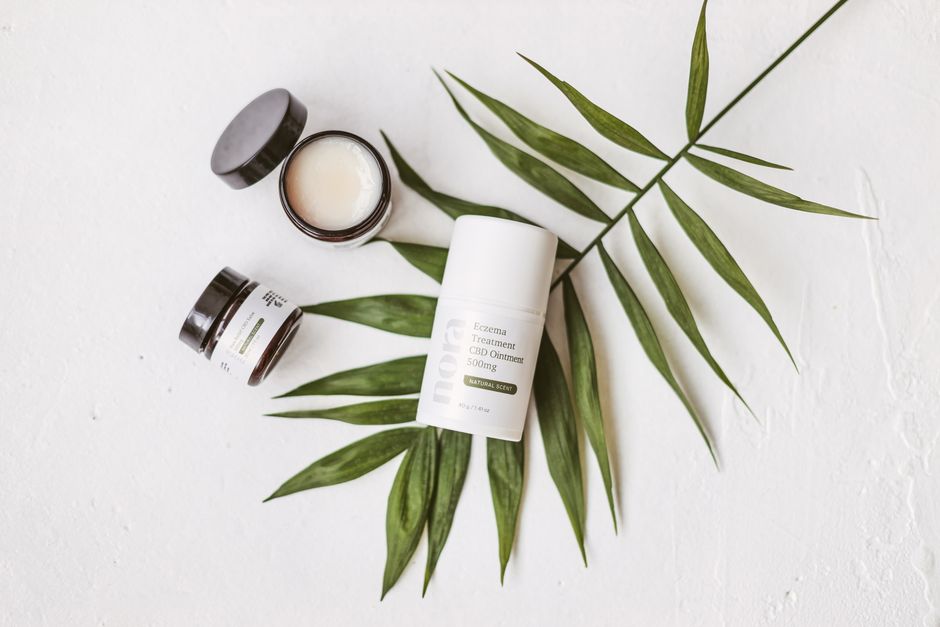
Eczema-prone skin is not just dry skin. It is skin with a damaged outer barrier that loses water too quickly and lets irritants in too easily. The right moisturizer does two jobs: it traps water in the skin and it soothes the inflammation that drives the itch-scratch cycle. Look for thick creams and ointments with ceramides, colloidal oatmeal, or petroleum jelly. Avoid anything with fragrance, essential oils, or drying alcohols. The best moisturizer is the one you will actually use every day — even on days when your skin looks fine.
Why Does Eczema Skin Need a Special Moisturizer?
Healthy skin acts like a brick wall. Skin cells are the bricks, and lipids — mostly ceramides, cholesterol, and fatty acids — are the mortar. In eczema-prone skin, that mortar is faulty. Some people with eczema produce less ceramide or a different type. The wall develops gaps.
Water escapes through those gaps. That is why eczema skin feels tight and rough. Irritants, allergens, and bacteria get in. The immune system responds by sending inflammatory signals to the skin. That inflammation causes redness, itching, and the rash that defines a flare.
A moisturizer cannot fix the immune system. But it can patch the wall. By restoring lipids and sealing in moisture, a good moisturizer reduces water loss and blocks irritants from entering. This is why dermatologists call moisturizers the foundation of eczema care — not an optional extra.
What Moisturizer Is Good For Eczema Prone Skin?
The short answer: a fragrance-free, thick product with ceramides or colloidal oatmeal, applied daily. Ointments like petroleum jelly and heavy creams perform best in clinical studies. Lotions, which are mostly water, evaporate quickly and often do not provide enough protection.
Ceramide-containing creams are a strong first choice. Ceramides are the same lipids missing in eczema skin. Applying them topically helps restore the barrier. Products like CeraVe Moisturizing Cream and Cetaphil Restoraderm are formulated for this purpose. They are widely recommended by dermatologists.
Colloidal oatmeal is another proven option. It is finely ground oatmeal suspended in a cream or lotion. Research has shown it has anti-inflammatory properties and helps calm itching. Products like Aveeno Eczema Therapy contain colloidal oatmeal and are designed specifically for eczema-prone skin.
Petroleum jelly is the simplest and one of the most effective options. It is not glamorous, but it works. It reduces water loss from the skin by almost 99 percent when applied properly. It has no active ingredients that could irritate sensitive skin. The downside is texture — some people find it too greasy for daytime use.
What Ingredients Should You Avoid?
Fragrance is the biggest offender. Even “natural” fragrances from essential oils can trigger flares in eczema-prone skin. The label may say “unscented,” but that only means no added scent. Check for “fragrance-free” instead, which means no fragrance ingredients at all.
Alcohol is a hidden problem. Many lotions contain short-chain alcohols like denatured alcohol or SD alcohol to help products dry quickly. These alcohols strip the skin barrier further. Look instead for fatty alcohols like cetyl alcohol or stearyl alcohol, which are actually moisturizing.
Urea and lactic acid deserve caution. These ingredients are excellent for rough, thick skin. But in high concentrations, they can sting and irritate actively inflamed eczema. If you use them, keep to low concentrations and only on non-flared areas.
Preservatives can also be a trigger for some people. Methylisothiazolinone, a common preservative, has been linked to allergic contact dermatitis. If your skin reacts to many products, consider seeing a dermatologist for patch testing to identify specific sensitivities.


How to Apply Moisturizer for Best Results
Timing matters as much as the product. The best time to moisturize is within three minutes of bathing. Bathing adds water to the skin. Applying moisturizer immediately after seals that water in. Waiting longer lets the water evaporate and leaves skin drier than before.
Pat your skin dry after a bath. Do not rub. Rubbing removes moisture and irritates the skin. Apply moisturizer while the skin is still slightly damp.
Use enough product. A common mistake is using too little. Dermatologists often recommend the “fingertip unit” — a strip of cream from the first crease of your finger to the tip. One fingertip unit covers an area about the size of two palms. For widespread eczema, you may need several units per application.
Apply twice daily at minimum. Once in the morning and once before bed. If your skin feels dry in between, apply again. There is no such thing as too much moisturizer on eczema-prone skin.
Are Expensive Creams Better Than Drugstore Brands?
No. Price does not predict effectiveness for eczema moisturizers. A $10 drugstore cream can outperform a $60 luxury product if it has the right ingredients and no irritants.
Luxury brands often add botanical extracts, essential oils, or fancy packaging. These additions increase cost but not benefit. They may actually increase the risk of irritation. Fragrance is the most common cause of contact dermatitis, and luxury products are more likely to contain it.
What matters is the ingredient list, not the brand name. Look for ceramides, colloidal oatmeal, glycerin, or petrolatum as early ingredients. Avoid fragrance, essential oils, and drying alcohols. If a product meets those criteria, the price is irrelevant.
Some dermatologist brands are more expensive because they have done clinical testing on eczema patients. That testing has value. But generic versions of the same formulas often exist. Your dermatologist can help you identify an affordable option that meets your needs.
Do You Need Different Moisturizers for Face and Body?
Facial skin is thinner and more sensitive than body skin. It also has more visible reactions to clogged pores. A heavy body cream might cause breakouts on the face, especially for people prone to acne.
For the face, choose a lighter cream or a product labeled “facial moisturizer.” Look for the same key ingredients — ceramides, oatmeal, glycerin — but in a lighter base. Avoid petroleum jelly on the face unless you have a specific dry patch. It can block pores.
For the body, thicker is generally better. The skin on your arms, legs, and torso can tolerate heavier creams and ointments. Nighttime is a good time to use the heaviest product you have, since you will not be moving around much.
If you have eczema on your eyelids or around your mouth, be extra careful. These areas absorb ingredients more readily. Stick to minimal, fragrance-free products there. If you are unsure what is safe for facial eczema, ask a dermatologist.
When Moisturizer Is Not Enough
Moisturizers manage the barrier, but they do not treat active inflammation. If you have red, itchy, weeping patches, moisturizer alone will not stop the flare. You need an anti-inflammatory treatment.
Topical corticosteroids are the standard first-line treatment for active eczema flares. They are available over the counter in low strengths and by prescription in higher strengths. Use them exactly as directed. Overuse can thin the skin over time.
Newer non-steroidal options exist as well. Topical calcineurin inhibitors like tacrolimus and pimecrolimus are prescription medications that reduce inflammation without steroids. They are especially useful for sensitive areas like the face and neck.
If your eczema does not improve with daily moisturizing and occasional steroid use, see a dermatologist. You may need prescription treatments, phototherapy, or systemic medications. Eczema is a chronic condition, but most people can control it well with the right plan.
Frequently Asked Questions
How often should I moisturize eczema-prone skin?
Apply moisturizer at least twice daily, every day, even when your skin looks clear. Apply again any time your skin feels dry or tight.
Is petroleum jelly safe for eczema?
Yes. Petroleum jelly is one of the most effective and safest moisturizers for eczema-prone skin.
Can I use baby lotion on eczema-prone skin?
Some baby lotions are fine, but check the label — many contain fragrance. Choose a fragrance-free baby cream or ointment instead of a lotion.
