
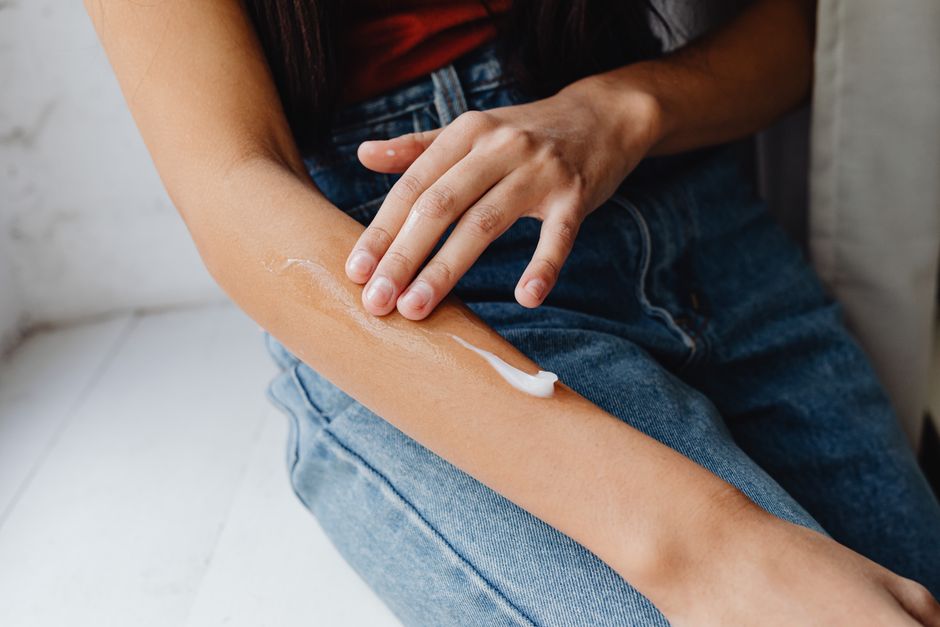
The right moisturizer for your skin depends more on your skin type and its current condition than on price or brand. Dry skin needs richer creams with ingredients that trap water, while oily skin does better with lightweight gels or lotions that hydrate without clogging pores. Sensitive skin benefits from simple formulas with few ingredients and no fragrance. The goal is always the same: keep the skin barrier healthy so it can hold onto water and protect itself.
Why Moisturizer Matters More Than You Think
Your skin has a natural barrier made of lipids — fats — that sit between skin cells. This barrier keeps water inside the skin and keeps irritants out. When that barrier is weak or damaged, water escapes and irritants get in. That is what causes the tight, flaky, or itchy feeling of dry skin.
Moisturizers do not actually add water to the skin. They work in two main ways. Humectants pull water into the outer layer of skin from deeper layers or from the air. Emollients and occlusives smooth the skin and form a protective layer that slows water loss. A good moisturizer does both.
Using the wrong type of moisturizer can make your skin worse. A heavy cream on oily skin can clog pores. A light gel on very dry skin may not be enough to stop water loss. Matching the product to your skin type is the core of choosing correctly.
What Kind Of Moisturizer Should You Use For Your Skin Type?
Skin type is the first filter. Most people fall into one of four categories: dry, oily, combination, or sensitive. Your skin can also change with seasons, age, and medications, so re-evaluate when your skin feels different.
Dry skin feels tight, looks dull, and may flake. Look for creams or ointments with ceramides, glycerin, hyaluronic acid, or petrolatum. These ingredients strengthen the barrier and lock in moisture. Apply within a few minutes after washing your face or showering, while skin is still damp, to trap water in the skin.
Oily skin looks shiny and is prone to breakouts. Choose oil-free gels or lotions labeled non-comedogenic, meaning they are less likely to clog pores. Ingredients like niacinamide and hyaluronic acid hydrate without adding heavy oils. Skipping moisturizer entirely is a mistake — oily skin still needs hydration, and skipping it can trigger excess oil production.
Combination skin is oily in the T-zone — forehead, nose, chin — and dry on the cheeks. A lightweight lotion applied everywhere, with a slightly richer cream only on dry areas, usually works well. Some people use different products in different zones, which is perfectly reasonable.
Sensitive skin reacts easily with redness, stinging, or burning. Choose fragrance-free products with short ingredient lists. Avoid alcohol, essential oils, and harsh preservatives. Patch test a new product on a small area of skin for a few days before applying it to your face.
What Ingredients Actually Work?
Ingredient knowledge helps you read labels with confidence. Here are the ones with solid evidence behind them.
Humectants draw water into the skin. Glycerin and hyaluronic acid are the most studied. Hyaluronic acid can hold many times its weight in water, but it needs moisture in the environment or in the skin to work. In very dry climates, humectants alone can sometimes pull water out of the skin instead of into it, so they work best paired with occlusives.
Emollients fill gaps between skin cells. Ceramides are naturally present in the skin barrier and are well supported in research for repairing damaged skin. Squalane, shea butter, and fatty acids like linoleic acid also act as emollients.
Occlusives form a physical layer on the skin that slows water loss. Petrolatum is the most effective and most studied occlusive ingredient. Dimethicone is a silicone that provides a lighter occlusive effect and is common in lotions and primers. Mineral oil and beeswax also work.
Niacinamide (a form of vitamin B3) supports the skin barrier and can reduce redness. It is well tolerated by most skin types and appears in many moisturizers at concentrations of 2% to 5%.
Some marketing ingredients have less evidence. Collagen in moisturizers does not penetrate the skin deeply enough to affect the collagen in your skin. Peptides show some promise in research, but results are modest and not consistent across all products. Do not pay a premium for a product based on a single trendy ingredient without checking the full formula and your skin type.



How To Choose By Texture And Consistency
Texture is not just about preference — it is a practical guide to how much occlusive protection a product provides.
Gels are water-based and lightweight. They absorb quickly and leave little residue. Best for oily skin, hot humid weather, or daytime wear under makeup. Some gels contain alcohol, which can dry the skin, so check the ingredient list.
Lotions have more oil than gels but less than creams. They suit normal and combination skin and work well year-round. Lotions are a safe middle ground if you are unsure.
Creams have a higher oil content and a thicker feel. They are best for dry skin, colder months, or nighttime use. Creams with ceramides are a strong choice for repairing a damaged barrier.
Ointments are the heaviest, with the most occlusive ingredients. Petrolatum-based ointments are the most effective at preventing water loss but feel greasy. They are best for very dry patches, cracked skin, or overnight use on the face.
Seasonal changes matter. The same skin that is oily in July can feel dry in January. Many people shift from lotion to cream in winter and back in summer. That is normal and sensible.
What About Sensitive Skin And Fragrance?
Fragrance is the most common cause of allergic contact dermatitis from cosmetics. Even “natural” fragrances from essential oils can trigger reactions. If your skin is sensitive, choose products labeled fragrance-free, not just unscented. Unscented products can still contain masking fragrances that hide the smell of other ingredients.
Preservatives are necessary in moisturizers to prevent bacterial growth, but some people react to certain ones. Parabens are the most studied preservatives and are safe for most people, but some prefer alternatives like phenoxyethanol. If a product stings or burns, stop using it. That reaction is your skin telling you the formula is not right for you.
Dermatologists often recommend a simple approach for sensitive skin: choose a product with as few ingredients as possible, no fragrance, and no botanical extracts. The fewer ingredients, the fewer chances for a reaction.
How To Apply Moisturizer Correctly
Application technique matters more than most people realize. For the face, apply moisturizer to slightly damp skin within a few minutes of cleansing. This traps water in the outer layer of skin. For the body, apply after a shower while skin is still damp.
Use enough product to cover the area without leaving a thick residue. For the face, a pea-sized amount is usually enough. For the body, use more generous amounts, especially on areas prone to dryness like elbows, knees, and shins.
If you use other skincare products, order matters. Apply the thinnest product first and the thickest last. For example, a serum goes on before a moisturizer, and sunscreen goes on after a moisturizer in the morning. Wait a minute or two between layers to let each product absorb.
Hands and lips need special attention. Hands are washed frequently, which strips natural oils, so a cream or ointment after each wash helps. Lips have no oil glands at all, so they dry out easily. A simple balm with petrolatum or beeswax works well.
Frequently Asked Questions
Should I use moisturizer if I have oily skin?
Yes. Oily skin still needs hydration, and skipping moisturizer can make your skin produce more oil to compensate. Use a lightweight, oil-free gel or lotion that is labeled non-comedogenic.
Is fragrance-free better than unscented?
Yes. Fragrance-free means no fragrance ingredients were added at all, while unscented products may contain masking fragrances to hide the smell of other ingredients. If you have sensitive skin, choose fragrance-free.
Can I use the same moisturizer on my face and body?
You can, but it may not be ideal. Face skin is thinner and more reactive, so facial moisturizers are formulated to be lighter and less irritating. Body moisturizers are often thicker and may clog facial pores.
How often should I apply moisturizer?
Most people need it once or twice daily. Apply after cleansing in the morning and at night. If your skin feels tight or dry between applications, you can add more or switch to a richer formula.
