
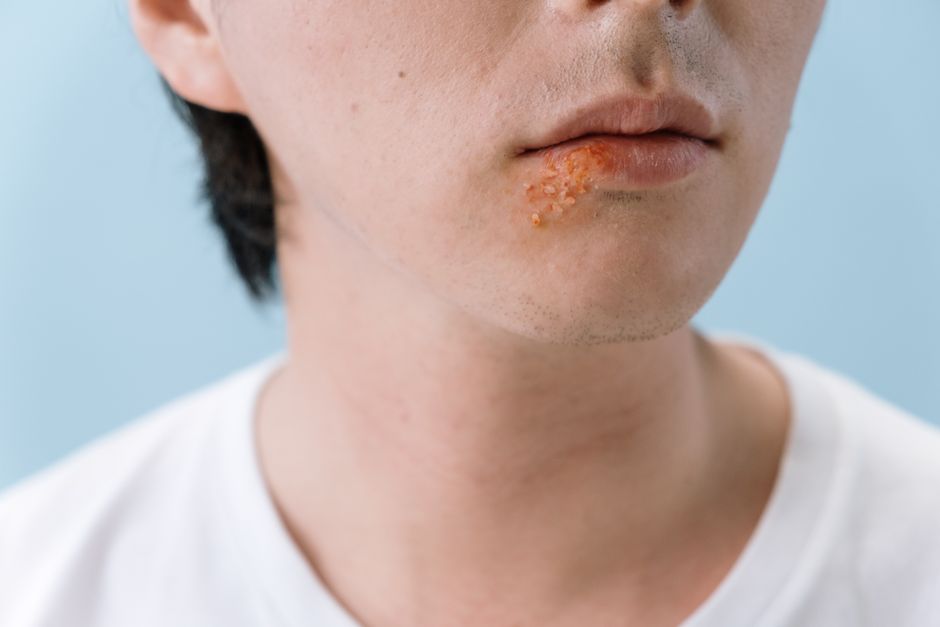
Recurrent skin outbreaks are frustrating, painful, and often embarrassing. Whether you deal with cold sores, acne flare-ups, or eczema patches, the underlying theme is the same: your skin is reacting to a trigger. Stopping these outbreaks requires understanding what triggers them, recognizing early warning signs, and using treatments that match the specific condition. No single product works for all of them, but a consistent, targeted approach can reduce how often they happen and how severe they become.
What Actually Causes Recurrent Skin Outbreaks?
Different conditions have different root causes. Herpes outbreaks come from a virus. Acne comes from blocked hair follicles and bacteria. Eczema involves inflammation and a damaged skin barrier.
Herpes simplex virus (HSV) stays dormant in nerve cells after the first infection. Stress, illness, sun exposure, or a weakened immune system can reactivate it. When the virus travels back to the skin surface, it causes the tingling, then the blister, then the crust.
Acne forms when oil and dead skin cells plug a pore. The bacterium Cutibacterium acnes then multiplies inside the blocked pore, triggering inflammation. Hormones, especially androgens, increase oil production. This is why acne often flares during menstrual cycles or times of hormonal change.
Eczema, also called atopic dermatitis, is a chronic inflammatory skin condition. People with eczema have a weakened skin barrier that loses moisture easily. Irritants, allergens, dry air, and stress can trigger flare-ups. The immune system overreacts, causing redness, itching, and cracking.
Knowing which condition you have matters because the treatments are completely different. Using acne medication on a herpes sore will not help. Using eczema cream on acne can make it worse.
How To Stop Outbreaks Herpes Acne Eczema And More: Early Warning Signs
The most reliable way to stop an outbreak is to catch it before it fully develops. Each condition gives warning signs.
Herpes outbreaks often begin with a tingling, burning, or itching sensation at the site. This prodrome phase can start 12 to 24 hours before any visible blister appears. Antiviral medication works best during this window.
Acne does not always have a warning phase, but many people notice tenderness or a slight bump before a full pimple forms. Topical treatments applied at this point can reduce the size and duration of the breakout.
Eczema flare-ups often start with increasing itchiness and dry, rough patches. The skin may feel tight or sensitive before visible redness appears. Moisturizing immediately at this stage can prevent a full flare.
Paying attention to these early signs allows you to act fast. Treatment started early is more effective than treatment started after the outbreak is fully visible.
Antiviral Treatment for Herpes Outbreaks
Herpes has the strongest treatment options of these three conditions. Prescription antiviral medications like acyclovir, valacyclovir, and famciclovir are proven to shorten outbreaks and reduce their frequency.
These medications work by stopping the virus from replicating. Taken at the first sign of tingling, they can prevent the blister from forming entirely or reduce its size and healing time. Some people take antiviral medication daily as suppressive therapy, which can reduce outbreak frequency by 70 to 80 percent.
Over-the-counter creams like docosanol (Abreva) have some evidence of effectiveness, though they are less potent than prescription options. They work best when applied during the prodrome phase.
For frequent outbreaks, defined as six or more per year, daily suppressive therapy is a reasonable option. This requires a prescription from a healthcare provider. It does not cure herpes, but it significantly reduces outbreaks and lowers the risk of transmitting the virus to partners.



Acne Treatment Strategies That Actually Work
Acne treatment depends on severity. Mild acne responds well to over-the-counter products. Moderate to severe acne often needs prescription treatment.
Benzoyl peroxide kills bacteria and helps clear blocked pores. It is available in strengths from 2.5 to 10 percent. Higher strengths do not work better, but they do cause more irritation. Starting with a lower strength is usually smarter.
Salicylic acid helps unclog pores by breaking down the bonds between dead skin cells. It is less irritating than benzoyl peroxide for some people but also less effective at killing bacteria.
Adapalene, available over the counter at 0.1 percent strength, is a retinoid that normalizes skin cell turnover. It prevents pores from becoming blocked in the first place. It takes 8 to 12 weeks to see full results, and it can cause dryness and peeling during the first few weeks.
For persistent acne, a dermatologist may prescribe topical antibiotics, stronger retinoids, or oral medications. Oral antibiotics like doxycycline reduce inflammation and bacterial growth but are not meant for long-term use. Spironolactone is effective for hormonal acne in adult women. Isotretinoin is reserved for severe, treatment-resistant acne because of its side effect profile.
One common mistake is over-washing the face. Washing more than twice a day strips the skin of natural oils, which can trigger increased oil production and worsen acne. A gentle cleanser twice daily is sufficient.
Eczema Management: Repairing the Skin Barrier
Eczema is fundamentally a problem with the skin barrier. Moisture escapes, irritants get in, and the immune system overreacts. Treatment focuses on restoring the barrier and reducing inflammation.
Moisturizers are the foundation of eczema care. Thick creams and ointments work better than lotions. Petroleum jelly, while not glamorous, is one of the most effective barrier repair agents available. Apply moisturizer within three minutes of bathing to trap water in the skin.
Topical corticosteroids reduce inflammation during flare-ups. They come in different strengths, from mild hydrocortisone to stronger prescription formulations. Using a low-potency steroid on the face and a stronger one on the body is standard practice. Overuse of strong steroids can thin the skin, so follow your healthcare provider’s instructions carefully.
Newer non-steroidal options include topical calcineurin inhibitors like tacrolimus and pimecrolimus. These reduce inflammation without the skin-thinning risk of steroids. They are especially useful for sensitive areas like the face and eyelids.
Identifying and avoiding triggers is essential. Common triggers include harsh soaps, wool clothing, dust mites, pet dander, and extreme temperatures. Stress is a well-documented trigger for eczema flares, so stress management techniques like adequate sleep and regular exercise can help reduce frequency.
Lifestyle Factors That Influence All Three Conditions
Some lifestyle factors affect all recurrent skin conditions, even though the mechanisms differ.
Stress is a documented trigger for herpes, acne, and eczema. Stress hormones like cortisol increase inflammation throughout the body. For herpes, stress suppresses immune function, allowing the virus to reactivate. For acne, stress can increase oil production. For eczema, stress worsens the immune overreaction.
Sleep matters. Poor sleep increases inflammation and impairs immune function. People who sleep fewer than seven hours per night tend to have more frequent and more severe outbreaks.
Diet plays a role, though the evidence is stronger for some conditions than others. High-glycemic diets may worsen acne by increasing insulin and androgen activity. Some research suggests that reducing dairy intake helps some people with acne, though the evidence is not definitive. For eczema, food triggers are more common in children than adults, and true food allergies are less common than many people believe.
For herpes, the amino acid lysine has been studied as a preventive supplement. Some research suggests it may reduce outbreak frequency, but the evidence is not strong enough for a firm recommendation. No clinical guidelines currently endorse lysine as a standard treatment.
Sun protection matters for herpes and acne. Sunburn can trigger a herpes outbreak. Some acne medications, especially retinoids, increase sun sensitivity. Daily sunscreen use is protective for both.
When To See a Dermatologist
Self-treatment works for many people, but some situations require professional care.
See a dermatologist if herpes outbreaks occur more than six times per year, if they are severe, or if they do not respond to antiviral treatment. Frequent outbreaks may warrant suppressive therapy.
See a dermatologist for acne that leaves scars, causes significant emotional distress, or does not improve after three months of consistent over-the-counter treatment. Cystic acne, which involves deep, painful nodules, rarely responds to over-the-counter products alone.
See a dermatologist for eczema that covers large areas of the body, is painful, shows signs of infection like oozing or yellow crusting, or does not improve with regular moisturizing and over-the-counter hydrocortisone.
A dermatologist can also help if you are unsure what condition you have. Several skin conditions look similar. Impetigo, a bacterial infection, can look like herpes. Rosacea can look like acne but requires different treatment. Getting an accurate diagnosis prevents wasted time on ineffective treatments.
Frequently Asked Questions
Can the same treatment work for herpes, acne, and eczema?
No. These conditions have different causes and require different treatments. Antiviral medication works for herpes, benzoyl peroxide and retinoids work for acne, and moisturizers and corticosteroids work for eczema.
How quickly can I stop an outbreak once it starts?
Early treatment works best. Antiviral medication taken at the first tingle of a herpes outbreak can prevent the blister. Acne treatments take days to weeks. Eczema flare-ups improve within days of starting topical steroids, but the skin barrier takes weeks to fully repair.
Are natural remedies effective for preventing outbreaks?
Some natural approaches like stress reduction, adequate sleep, and moisturizing have evidence behind them. Most herbal supplements and essential oils lack strong clinical evidence. No large human trials have confirmed their effectiveness for herpes, acne, or eczema.
Will outbreaks stop permanently if I avoid triggers?
Herpes cannot be cured, so outbreaks can always return. Acne and eczema can go into long remission with consistent management, but triggers can cause future flare-ups. Managing the condition is ongoing, not a one-time fix.
