
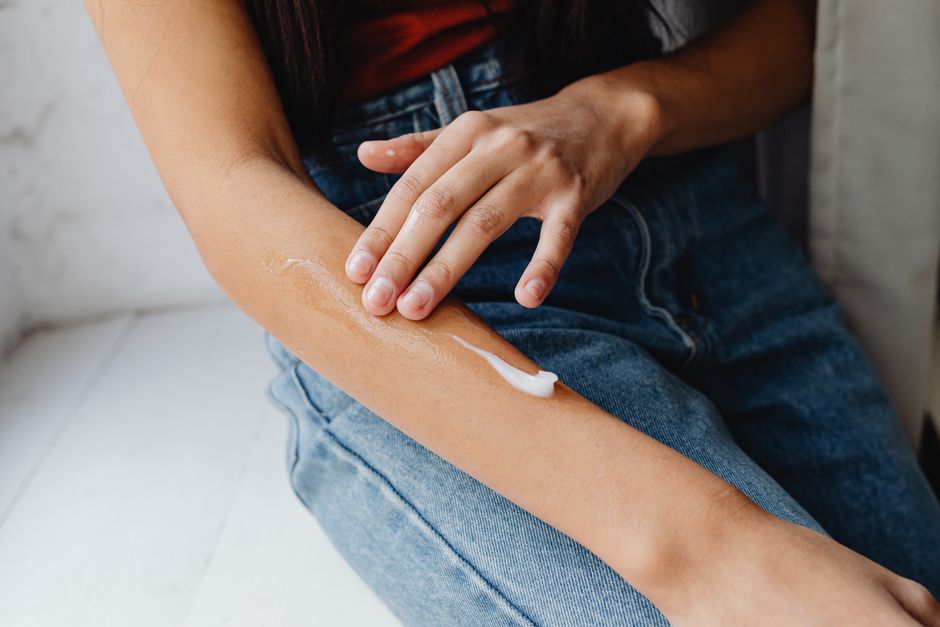
Eczema is not one single thing. It is a group of skin conditions that cause dry, itchy, and inflamed patches. The most common type is atopic dermatitis. The direct cause is a combination of a weakened skin barrier and an overactive immune response, both of which are heavily influenced by your genes. Environmental triggers then act on this genetic vulnerability to cause flare-ups.
What Causes Eczema Skin Barriers Triggers Genes?
The short answer is that eczema starts with your genes and your skin barrier. Your skin is supposed to act like a brick wall. The skin cells are the bricks, and the fats between them are the mortar. In people with eczema, that mortar is weak. Water escapes, and irritants get in.
This is called a defective skin barrier. A protein called filaggrin is a major part of this barrier. It helps skin cells stay flat and hold onto water. Some people have a genetic variation that means they do not make enough functional filaggrin. This is one of the strongest known genetic risk factors for eczema.
Your immune system is the second half of the story. When the barrier is leaky, allergens and irritants pass through. The immune system overreacts to these invaders. It sends inflammatory signals to the skin, which causes redness and itching. This is not an allergy, though they often occur together. It is an immune system that is too quick to respond.
So the cause is not a single gene and not a single trigger. It is a genetic tendency toward a weak barrier and a reactive immune system. Then the environment decides when that tendency shows up.
What Are the Most Common Eczema Triggers?
Triggers do not cause eczema. They cause flare-ups in someone who already has the condition. Avoiding triggers is a major part of managing the disease, but it will not cure it.
Common triggers fall into a few groups. Irritants are the biggest one. Soaps, detergents, fragrances, and rough fabrics like wool can all irritate the skin. Even long hot showers strip the skin of its natural oils. These are not allergens. They physically damage the already weak barrier.
Allergens are another group. Dust mites, pet dander, pollen, and mold can trigger flares in some people. Food allergies are real but less common as a primary trigger. If a child with severe eczema also has an immediate allergic reaction to a food, that food may be a trigger. But most eczema is not caused by food.
Weather and climate matter too. Cold, dry air pulls moisture out of the skin. Heat and sweat can irritate it. Some people flare in winter, some in summer. Stress is a well-documented trigger. It does not cause eczema, but it can make a flare worse through stress hormones that affect the immune system.
Infections are a trigger that often gets overlooked. The bacteria Staphylococcus aureus lives on the skin of many people with eczema. When the barrier is broken, this bacteria can multiply and cause infection, which makes the eczema worse. This is why doctors sometimes prescribe antibiotics alongside eczema treatments.
How Do Genes Influence Eczema Risk?
Eczema runs in families. If one parent has eczema, asthma, or hay fever, a child has a higher risk. If both parents do, the risk is higher still. This cluster of conditions is called the atopic triad, and they share a genetic background.
The most studied gene is FLG, which codes for filaggrin. Research has consistently shown that people with loss-of-function mutations in this gene have a much higher risk of developing eczema. These mutations are common. Roughly one in ten people in European populations carries at least one.
But filaggrin is not the whole story. Eczema is polygenic, meaning many genes are involved. Some genes affect the immune system’s signaling. Others affect how skin cells grow and shed. Still others influence how the skin produces its natural fats. No single gene causes eczema on its own. Instead, a combination of small variations adds up to risk.
Genes also explain why eczema looks different in different people. Some people have a strong filaggrin mutation and a mostly dry, scaly rash. Others have a more immune-driven form with intense redness and itching. This genetic variety is one reason why treatments work differently for different people.
Genetics are not destiny. Many people with the risk genes never develop eczema. This tells us that the environment plays a major role in whether the genetic tendency becomes active disease.





Does the Skin Microbiome Play a Role?
Your skin is home to billions of bacteria, fungi, and viruses. In healthy skin, this community is diverse and balanced. In eczema, that balance is off. The diversity drops, and Staphylococcus aureus often takes over.
This is not just a side effect of eczema. Research suggests the microbiome is part of the disease process. The bacteria produce toxins that damage skin cells and trigger immune responses. This creates a cycle. The weak barrier lets bacteria in, the bacteria make the barrier weaker, and the immune system stays activated.
Some studies have looked at whether improving the microbiome can help eczema. Probiotic creams and oral probiotics have been studied. The results are mixed. Some show modest benefit, many show no benefit. No large clinical trial has confirmed that changing the skin microbiome is a reliable treatment for eczema.
What is clear is that treating the skin barrier helps the microbiome recover. When the barrier is repaired with moisturizers and anti-inflammatory treatments, the bacterial balance tends to improve on its own.
What Treatments Address the Root Cause?
Treatment targets both the barrier and the immune system. There is no cure, but there are highly effective ways to control the disease.
Moisturizers are the foundation of treatment. They do not just soothe the skin. They physically replace the missing fats in the barrier. The best approach is a thick cream or ointment applied at least once daily, ideally right after bathing. This is not optional care. It is the single most important daily step.
Topical corticosteroids reduce inflammation. They work by calming the immune response in the skin. They are safe when used as directed. The fear of steroids often leads people to underuse them, which leads to worse flares and more steroid use in the long run. Used correctly, they are the most effective anti-inflammatory treatment available for eczema.
Topical calcineurin inhibitors are non-steroid alternatives. Drugs like tacrolimus and pimecrolimus also suppress the immune response in the skin. They are especially useful on the face and neck, where long-term steroid use is discouraged.
For moderate to severe eczema, newer systemic treatments have changed the landscape. Dupilumab is a biologic that blocks a key immune signal called IL-4 and IL-13. It is given as an injection and has shown strong results in clinical trials. Oral JAK inhibitors are also approved for eczema. They block inflammatory signals inside immune cells. These are powerful drugs with real side effects, and they are not first-line treatments.
Phototherapy, or light therapy, is another option. Narrowband UVB light reduces inflammation in the skin. It is effective for many people but requires regular clinic visits and has long-term skin cancer risks that must be weighed.
Can You Prevent Eczema Flare-Ups?
You cannot change your genes. You can change how often your skin flares. Prevention is about protecting the barrier and avoiding known triggers.
Bathing is a key prevention tool. Short warm baths, not hot showers, hydrate the skin. The water adds moisture to the outer layers. Applying moisturizer within three minutes of getting out traps that water in the skin. This is called “soak and smear” and it is the most effective daily prevention strategy.
Choose products labeled fragrance-free rather than unscented. Unscented products can still contain masking fragrances. Fragrances are one of the most common contact irritants in eczema patients. The same applies to laundry detergent. A mild, fragrance-free detergent is a reasonable choice.
Cotton clothing is generally well tolerated. Wool and synthetic fabrics can itch. Wash new clothes before wearing them to remove formaldehyde and other finishing chemicals.
Stress management is prevention too. This does not mean eczema is psychological. It means stress hormones can worsen inflammation. Sleep, exercise, and basic stress reduction techniques are part of a complete management plan.
For children, food avoidance is only recommended when a specific food allergy has been confirmed. Restricting foods without evidence can lead to nutritional deficiencies and does not improve eczema. Work with an allergist if food is suspected.
When Should You See a Doctor?
Eczema that is mild and controlled with moisturizers can be managed at home. But there are clear signs that you need medical help.
See a doctor if the rash covers a large area of your body. See a doctor if it is painful or weeping fluid. See a doctor if it keeps you awake at night. See a doctor if over-the-counter hydrocortisone and moisturizers are not helping after a week or two.
Signs of infection require urgent attention. These include honey-colored crusting, pus, red streaks, or sudden worsening pain. Fever with an eczema flare is a red flag.
Eczema is a chronic condition. It comes and goes. With the right treatment plan, most people can achieve clear or nearly clear skin. The plan is not complicated. Repair the barrier daily, treat inflammation early, and identify your personal triggers. That is what works.
Frequently Asked Questions
Is eczema caused by poor hygiene?
No. Eczema is caused by a genetic tendency toward a weak skin barrier and an overactive immune system. Poor hygiene does not cause eczema, and over-washing can actually make it worse.
Can changing my diet cure eczema?
No diet has been proven to cure eczema. Food allergies can trigger flares in some people, but most eczema is not food-driven. Only eliminate foods after an allergist confirms a specific allergy.
Is eczema contagious?
No. You cannot catch eczema from another person. The skin can become infected with bacteria, and that infection can spread, but the eczema itself is not contagious.
Will my child outgrow eczema?
Many children do see significant improvement or complete resolution as they get older. However, they remain at higher risk for asthma and hay fever, and eczema can return in adulthood.
