
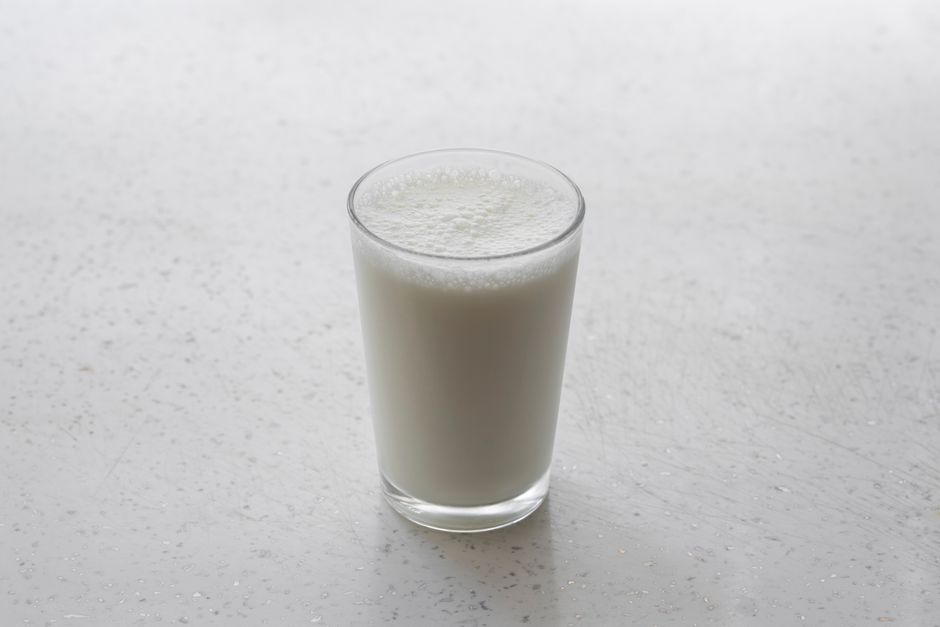
No single type of milk is best for weight loss for everyone. But if you are looking to cut calories, unsweetened almond milk has the fewest — about 30 to 40 calories per cup. If you need more protein to stay full, skim cow’s milk provides around 8 grams of protein for only 90 calories. Your choice depends on your overall diet, your need for protein, and how the milk fits into your daily calorie goals.
What Makes a Milk Better for Weight Loss?
Weight loss comes down to calories in versus calories out. A milk that helps you eat fewer total calories over the day is better for weight loss. But calories are not the only factor. Protein keeps you full longer than carbohydrates or fat. Sugar adds calories without making you feel full.
Three things matter most when choosing a milk for weight loss:
- Calories per serving — lower is better if you want to reduce total intake.
- Protein per calorie — higher protein helps with satiety and muscle preservation during weight loss.
- Added sugar — unsweetened versions are always better. Flavored milks often add 10 to 20 grams of sugar per cup.
Fat content matters less than total calories. Whole milk has more fat, but it also provides more calories. If you replace whole milk with skim milk, you save about 60 calories per cup. That small change adds up over time.
Does Dairy Milk Help or Hurt Weight Loss?
Dairy milk — whole, 2%, 1%, and skim — is a natural source of protein, calcium, and vitamin D. Protein in dairy milk is high quality, meaning it contains all essential amino acids. This can help with muscle maintenance and fullness.
Calorie comparison of cow’s milk (1 cup):
- Whole milk: about 150 calories, 8 g protein
- 2% milk: about 120 calories, 8 g protein
- 1% milk: about 100 calories, 8 g protein
- Skim milk: about 90 calories, 8 g protein
Skim milk gives you the most protein per calorie of any dairy option. Some studies suggest that dairy calcium may help with fat breakdown, but the effect is small. The main benefit of dairy milk for weight loss is the protein-to-calorie ratio.
Whole milk is not necessarily bad for weight loss. If you drink one cup of whole milk a day and stay within your calorie limit, you can still lose weight. But whole milk is calorie-dense, so it is easier to overconsume.
One caution: dairy milk contains natural sugar (lactose), about 12 grams per cup. That is not added sugar, but it still contributes calories. Most people can digest lactose, but if you are lactose intolerant, dairy can cause bloating and discomfort.
Are Plant-Based Milks Better for Weight Loss?
Plant-based milks vary widely in calories, protein, and sugar. The best choice for weight loss is an unsweetened, low-calorie option.
Calorie comparison of unsweetened plant-based milks (1 cup):
- Unsweetened almond milk: 30–40 calories, 1 g protein
- Unsweetened soy milk: 80–90 calories, 7–8 g protein
- Unsweetened oat milk: 100–120 calories, 2–4 g protein
- Unsweetened coconut milk beverage: 45–50 calories, 0 g protein
Unsweetened almond milk is the lowest in calories. That makes it a good choice if you want to reduce calorie density in smoothies, coffee, or cereal. However, it is very low in protein. If you rely on it as a main source of nutrition, you may miss out on protein needed for satiety.
Unsweetened soy milk is the plant-based option closest to skim milk in protein and calories. Some research suggests that soy protein can be as satiating as dairy protein. If you want plant-based and need protein, unsweetened soy milk is a strong choice.
Oat milk is higher in calories and carbohydrates, even unsweetened. It is not ideal for weight loss if you are carefully counting calories. The same goes for rice milk and most coconut milk beverages (the canned kind used for cooking is much higher in fat).
Added sugar is a common trap. Sweetened almond milk can have 60–70 calories per cup — almost double the unsweetened version. Flavored oat milks can exceed 150 calories per cup. Always check the label for added sugars.



Which Milk Is Better for Weight Loss?
If weight loss is your primary goal, the milk that is better for weight loss is the one that fits your daily calorie budget and keeps you satisfied. There is no universal “best” milk. But here is a practical guide based on your priorities:
- Cutting calories aggressively: Unsweetened almond milk (30–40 calories per cup). Be aware you will get very little protein.
- Balancing calories and protein: Skim cow’s milk (90 calories, 8 g protein) or unsweetened soy milk (80–90 calories, 7–8 g protein).
- Maintaining muscle while losing weight: Skim cow’s milk or unsweetened soy milk provide the best protein per calorie.
- Managing blood sugar (if you have diabetes or prediabetes): Unsweetened almond milk or unsweetened soy milk are low in carbohydrates. Cow’s milk has about 12 g carbs per cup, mostly lactose.
No clinical evidence shows that any one milk directly causes weight loss. All results come from how that milk fits into your overall calorie intake. Switching from whole milk to skim saves about 60 calories per cup. Over a year, that change — if nothing else changes — could lead to about six pounds of weight loss. But only if you do not replace those calories elsewhere.
How to Choose the Right Milk for Your Goals
Start by looking at the Nutrition Facts label. Check the calories per cup and the grams of added sugar. Ideally, choose a milk with zero added sugar. Then look at protein. If you use milk primarily in coffee or tea, low-calorie almond milk is a simple swap. If you drink milk by the glass or in smoothies, protein content matters more for satiety.
Consider your overall diet. If you already get plenty of protein from meat, eggs, beans, or yogurt, you do not need high-protein milk. If your diet is low in protein, choosing a milk with 8 grams of protein per cup can help you meet daily needs without many extra calories.
Be honest about what you will stick with. If you hate the taste of skim milk and end up skipping it altogether, then unsweetened almond milk added to oatmeal might be a better long-term choice. Consistency matters more than perfection.
Some people find that drinking milk — especially whole milk — makes them feel fuller and reduces snacking later. That could help weight loss even though whole milk has more calories. The evidence on this is mixed, and it varies by person. Pay attention to how you feel after different milks.
Avoid “barista” blends or shelf-stable flavored milks unless you check the label. Many have added sugars and thickeners that increase calories significantly.
Frequently Asked Questions
Is skim milk better for weight loss than whole milk?
Yes, skim milk has fewer calories (about 90 per cup vs 150 for whole milk) and the same amount of protein, so it supports a calorie deficit more easily. However, some people feel more satisfied with whole milk, which could help them avoid extra snacks — the best choice depends on your personal eating patterns.
Does oat milk make you gain weight?
Oat milk is higher in calories and carbohydrates than unsweetened almond or skim milk, but it will not cause weight gain unless it pushes you over your daily calorie limit. Stick to unsweetened oat milk and measure your portion if you are trying to lose weight.
Is almond milk good for weight loss?
Unsweetened almond milk is very low in calories (30–40 per cup), making it an excellent choice for cutting calories. However, it is low in protein and may not keep you full on its own, so pair it with protein-rich foods.
Can you drink milk and still lose weight?
Yes, you can drink milk and still lose weight as long as you account for the calories in your daily total. Choosing skim or unsweetened plant-based milk makes it easier to stay within your calorie goal while still getting nutrients.
