
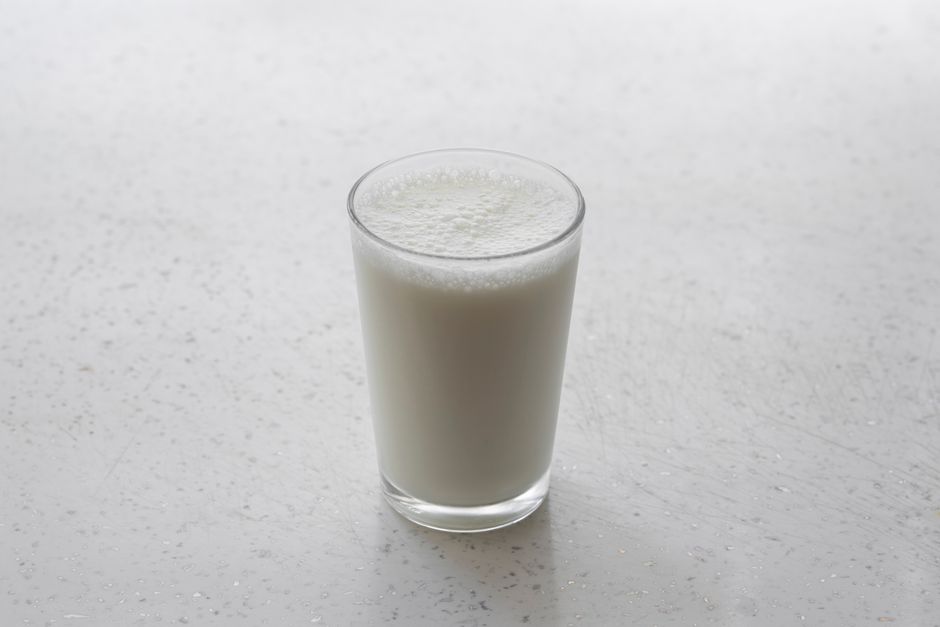
When you are trying to lose weight, the choice between oat milk and cow’s milk comes down to calories, protein, and how your body processes sugar. For most people, cow’s milk is the better choice for weight loss because it has more protein and fewer carbohydrates for the same number of calories. Oat milk is not better than cow’s milk for weight loss, though it can still fit into a healthy diet if you track your portions carefully.
How Do the Calories Compare?
Calories are the first thing to look at when comparing any foods for weight loss. Both oat milk and cow’s milk come in different varieties, so the exact numbers depend on what you buy.
Unsweetened oat milk typically has about 60 to 90 calories per cup. Whole cow’s milk has about 150 calories per cup, reduced-fat (2%) milk has about 120 calories, and skim milk has about 80 calories.
Plain oat milk is not automatically lower in calories than cow’s milk. The sweetened versions of oat milk often contain added sugar, which can push the calorie count to 120 or more per cup. That is the same as 2% cow’s milk, but with less nutritional value.
If you are comparing unsweetened oat milk to skim milk, the calorie difference is small. The real difference shows up in what those calories do for you.
Protein Matters More Than You Think
Protein is the most important nutrient for weight loss because it helps you feel full and preserves muscle mass while you lose fat. Cow’s milk is a strong source of protein.
A cup of cow’s milk contains about 8 grams of protein, regardless of whether it is whole, 2%, or skim. Oat milk contains only about 2 to 3 grams of protein per cup. That is a significant gap.
When you drink cow’s milk, you get a protein boost that helps curb hunger for hours. Oat milk does not provide that same satiety benefit. You may find yourself feeling hungry sooner after drinking oat milk than after drinking cow’s milk.
This matters for weight loss because hunger control is often the hardest part of any diet. Choosing foods that keep you full longer makes it easier to eat fewer calories overall.
Carbohydrates and Blood Sugar
Carbohydrates affect blood sugar, and blood sugar affects hunger and energy. This is where oat milk and cow’s milk differ most.
Oat milk is naturally higher in carbohydrates because oats are a grain. A cup of oat milk contains roughly 16 grams of carbohydrates, with about 7 grams of sugar. Most of that sugar comes from the natural breakdown of oat starches, not from added sweeteners.
Cow’s milk contains about 12 grams of carbohydrates per cup, all of which is lactose, the natural sugar found in milk. The sugar in cow’s milk is not added sugar.
Unsweetened oat milk has more carbohydrates than cow’s milk. When manufacturers add sugar to oat milk, the carbohydrate count climbs even higher.
Higher carbohydrate drinks can cause quicker rises in blood sugar, followed by drops that trigger hunger. This is not a universal rule — everyone’s body responds differently — but it is a real consideration for weight management.



What About Fat Content?
Fat is not the enemy in weight loss, despite what decades of diet culture may have taught you. Dietary fat helps you feel satisfied and aids in the absorption of certain vitamins.
Whole cow’s milk contains about 8 grams of fat per cup. Reduced-fat milk contains about 5 grams, and skim milk has almost none. Oat milk contains about 2.5 to 5 grams of fat per cup, depending on the brand.
Some oat milks have added oils, like sunflower or canola oil, to improve texture and mouthfeel. These are not inherently unhealthy, but they add calories without adding protein or other nutrients.
If you are comparing whole milk to oat milk, oat milk wins on fat and calories. If you are comparing skim milk to oat milk, the protein difference becomes the deciding factor.
Is Oat Milk Better than Cow’s Milk for Weight Loss?
The short answer is no. Cow’s milk is generally better for weight loss because it provides more protein per calorie, which supports fullness and muscle preservation.
Oat milk is not better than cow’s milk for weight loss in most situations. The exceptions are rare and specific. If you are lactose intolerant and cow’s milk causes digestive discomfort, oat milk may be a better practical choice for you. If you are vegan, oat milk is a reasonable option. But for weight loss specifically, the nutritional profile of cow’s milk is stronger.
This does not mean oat milk will prevent weight loss. Weight loss ultimately comes down to total calorie intake. You can lose weight drinking oat milk if you account for its calories and carbohydrates. The question is whether oat milk makes that job easier or harder.
For most people, cow’s milk makes it easier because the protein keeps hunger in check.
Fortification and Nutrients
Both milks are fortified with vitamins and minerals, but they start from different nutritional baselines.
Cow’s milk naturally contains calcium, phosphorus, and vitamin B12. It is also fortified with vitamin D in most commercial products. These nutrients are important for bone health and energy metabolism.
Oat milk is fortified to match some of these levels. Most brands add calcium and vitamin D, and some add vitamin B12 and riboflavin. The fortification makes oat milk nutritionally closer to cow’s milk, but not identical.
One difference worth noting is that the body may absorb calcium from cow’s milk more efficiently than from fortified plant milks. Some research suggests that the calcium in fortified plant beverages is not absorbed as well as the naturally occurring calcium in dairy. The evidence is not conclusive, but it is a factor to consider.
For weight loss, these micronutrient differences are less important than protein and calories. Still, they matter for overall health, especially if you replace cow’s milk entirely with oat milk.
Portion Control and Practical Tips
Portion size is where many people go wrong with any milk. A serving is one cup, but many coffee drinks and smoothies contain two or three cups of milk.
If you add oat milk to your coffee every morning, you may be consuming more calories than you realize. A large latte made with oat milk can easily contain 200 to 300 calories, most of which come from the milk.
Here are some practical tips for either choice:
- Measure your milk instead of pouring freely. A standard cup is 8 ounces.
- Choose unsweetened versions of oat milk if you prefer it over cow’s milk.
- Use skim or 1% cow’s milk if you want the lowest calorie dairy option.
- Be mindful of flavored milks, which often contain added sugar.
- Consider your total daily protein intake. If you struggle to meet protein goals, cow’s milk helps more than oat milk.
Neither milk is a weight loss miracle. Both can fit into a calorie-controlled diet. The better choice depends on your nutritional needs, your tolerance for dairy, and your personal preferences.
What the Evidence Says
Research on dairy and weight management has produced mixed results over the years. Some studies suggest that higher dairy intake is associated with lower body weight, while others find no significant effect. The evidence does not support the idea that dairy alone causes weight loss.
What is more established is the role of protein in satiety. Multiple studies have found that higher protein meals and snacks reduce hunger and increase fullness compared to lower protein options. The protein in cow’s milk contributes to this effect.
Research on oat milk specifically for weight loss is limited. No large clinical trials have directly compared oat milk and cow’s milk for weight loss outcomes. The comparison is based on nutritional composition and known effects of protein, carbohydrates, and calories.
Some research suggests that liquid calories are less satiating than solid food calories. This means that drinking any milk — oat or cow — may not fill you up as much as eating the same calories in solid food. This is worth remembering if you rely on milk to satisfy hunger.
Who Should Choose Oat Milk?
Oat milk is a good option for specific groups of people. If you have a diagnosed lactose intolerance or a milk protein allergy, cow’s milk is not a viable option. Oat milk provides a creamy texture and neutral flavor that works well in coffee, cereal, and baking.
If you follow a vegan diet, oat milk is a practical alternative to dairy. It is widely available and versatile in cooking.
If you enjoy the taste of oat milk and it helps you stay consistent with your nutrition plan, that has value. The best food choices are the ones you can maintain over time. A choice you stick with beats a theoretically superior choice you abandon.
But if your primary goal is weight loss and you tolerate dairy well, cow’s milk is the stronger nutritional choice.
Frequently Asked Questions
Is oat milk higher in sugar than cow’s milk?
Unsweetened oat milk has about 7 grams of sugar per cup, while cow’s milk has about 12 grams of naturally occurring lactose. Sweetened oat milk can have significantly more sugar, sometimes 10 to 15 grams per cup.
Can I drink oat milk every day and still lose weight?
Yes, you can drink oat milk daily and still lose weight if you stay within your total calorie target. The key is to measure portions and choose unsweetened varieties to keep calories and carbohydrates in check.
Which milk has more protein for weight loss?
Cow’s milk has about 8 grams of protein per cup, while oat milk has only 2 to 3 grams. The higher protein content in cow’s milk helps with fullness and makes it the better choice for weight loss.
