

High blood pressure, also called hypertension, happens when the force of blood pushing against your artery walls is consistently too high. It develops over time when your blood vessels narrow or stiffen, forcing your heart to work harder to pump blood. Most cases build up silently over many years, and about half of adults with high blood pressure don’t know they have it because it rarely causes symptoms until damage has already occurred.
What Makes You Have High Blood Pressure?
Blood pressure is a measure of two numbers. The top number, systolic, measures the pressure when your heart beats. The bottom number, diastolic, measures the pressure when your heart rests between beats. Normal blood pressure is below 120/80 mmHg. High blood pressure is diagnosed when readings reach 130/80 mmHg or higher on multiple occasions.
The underlying cause is a physical problem with your blood vessels. Your arteries are elastic tubes, and when their walls thicken, stiffen, or narrow, the same volume of blood has to squeeze through a smaller space. That creates more pressure against the vessel walls. In most people, this process is driven by a combination of genetics, lifestyle, and other health conditions rather than one single cause.
There are two main categories of high blood pressure. Primary hypertension has no single identifiable cause and develops gradually over years. Secondary hypertension is caused by an underlying condition like kidney disease, thyroid problems, or certain medications. Secondary hypertension tends to appear suddenly and cause higher blood pressure than primary hypertension.
What Are the Most Common Risk Factors?
Some risk factors are within your control, and some are not. Age is one of the strongest predictors. Blood vessels naturally lose elasticity as you get older, and the risk of high blood pressure rises steadily after age 40. By age 65, more than half of American adults have hypertension.
Family history matters too. If a parent or sibling has high blood pressure, your risk is higher. This is not a guarantee, but it means you should monitor your blood pressure more carefully and start healthy habits earlier.
Race also plays a role. Black adults in the United States develop high blood pressure at younger ages and at higher rates than other groups. The reasons are not fully understood but likely involve a combination of genetics, environment, and access to care.
The lifestyle factors that raise blood pressure are well established:
- High sodium intake — excess salt makes your body hold onto fluid, increasing blood volume and pressure
- Low potassium intake — potassium helps balance sodium and relaxes blood vessel walls
- Excess body weight — more tissue means more blood vessels, so your heart must pump harder
- Physical inactivity — regular exercise keeps blood vessels flexible
- Excess alcohol — heavy drinking raises blood pressure directly
- Smoking — tobacco chemicals damage artery walls and accelerate hardening
- Chronic stress — stress hormones temporarily raise blood pressure and can contribute to long-term elevation
How Does Sodium Actually Raise Blood Pressure?
Sodium raises blood pressure through a clear physiological chain of events. When you consume more salt than your kidneys can excrete, your body holds onto water to dilute the sodium in your bloodstream. That extra fluid increases the total volume of blood circulating through your vessels. More volume means more pressure against the walls.
Over time, chronic high sodium intake also damages the inner lining of your arteries. This damage triggers inflammation and promotes the buildup of plaque, a process called atherosclerosis. Stiff, plaque-filled arteries resist blood flow more, which pushes blood pressure even higher.
Most Americans consume roughly 3,400 mg of sodium per day, which is well above the recommended limit of 2,300 mg. The Dietary Approaches to Stop Hypertension (DASH) eating plan, which emphasizes fruits, vegetables, whole grains, and low-fat dairy while limiting sodium, has been shown in clinical trials to lower blood pressure within weeks for many people.




How Does Weight Affect Blood Pressure?
Excess body weight increases blood pressure through multiple mechanisms at once. Every pound of fat requires blood vessels to supply oxygen and nutrients, so your heart has to pump a larger volume of blood. This directly raises blood pressure. Fat tissue also produces hormones and inflammatory substances that constrict blood vessels and cause the kidneys to retain sodium.
The relationship between weight and blood pressure is dose-dependent. As body mass index (BMI) climbs, average blood pressure climbs with it. Research has consistently shown that losing weight lowers blood pressure, and the effect can be significant. Weight loss of about 5 to 10 percent of body weight is associated with meaningful reductions in blood pressure for many people with hypertension.
Where you carry fat matters as well. Fat stored around the abdomen, called visceral fat, is more metabolically active and more strongly linked to high blood pressure than fat stored in the hips and thighs. Waist circumference is a useful indicator: men with waists over 40 inches and women over 35 inches face higher cardiovascular risk.
What Medical Conditions Cause High Blood Pressure?
Several underlying medical conditions can directly cause or worsen high blood pressure. Kidney disease is one of the most common secondary causes. Your kidneys regulate fluid balance and produce hormones that control blood vessel diameter. When kidney function declines, these regulatory systems break down and blood pressure rises. High blood pressure also damages the kidneys, creating a destructive cycle.
Sleep apnea is another significant contributor. People with obstructive sleep apnea stop breathing repeatedly during the night, which triggers stress hormone surges and oxygen drops that raise blood pressure. Treating sleep apnea with continuous positive airway pressure (CPAP) therapy can lower blood pressure in some patients.
Other conditions that can cause secondary hypertension include:
- Thyroid disease, particularly an overactive thyroid
- Adrenal gland tumors, such as pheochromocytoma
- Narrowing of the aorta or kidney arteries
- Diabetes, which damages blood vessels over time
Certain medications also raise blood pressure. These include nonsteroidal anti-inflammatory drugs (NSAIDs) like ibuprofen, decongestants, oral contraceptives, and some antidepressants. Even some natural supplements, including licorice root and certain herbal products, can elevate blood pressure. Always review your complete medication list with your healthcare provider.
Can Stress Cause High Blood Pressure?
Stress does not cause permanent high blood pressure by itself, but it can push your numbers into a dangerous range. When you experience stress, your body releases adrenaline and cortisol. These hormones make your heart beat faster and constrict your blood vessels, temporarily raising blood pressure. Once the stress passes, blood pressure should return to baseline.
However, chronic stress contributes to hypertension indirectly. People under ongoing stress are more likely to overeat, drink more alcohol, smoke, and skip exercise — all of which raise blood pressure. Stress also disrupts sleep, and poor sleep quality is itself a risk factor for hypertension.
There is also a well-documented phenomenon called white coat hypertension. This is when blood pressure readings are elevated in a medical setting but normal at home. It affects up to 30 percent of people and can lead to unnecessary treatment if not recognized. Home blood pressure monitoring is the standard way to distinguish white coat hypertension from true hypertension.
Why Does High Blood Pressure Matter?
High blood pressure damages your body silently for years. The constant pressure injures the delicate inner lining of your arteries, creating sites where cholesterol plaque can accumulate. This process narrows arteries throughout your body, reducing blood flow to vital organs.
The consequences are serious. High blood pressure is the leading modifiable risk factor for stroke and heart attack. It also damages the kidneys, eyes, and brain over time. The heart itself is affected because it must pump against high resistance, which causes the heart muscle to thicken and eventually weaken — a condition called heart failure.
Lowering blood pressure reduces these risks dramatically. Even a modest reduction of 5 mmHg in systolic blood pressure is associated with a significantly lower risk of stroke, heart disease, and death from cardiovascular causes. This is why blood pressure screening is so important: the condition is treatable, but only if it is detected.
How Do You Know If You Have High Blood Pressure?
High blood pressure has no warning signs. This is why it is often called the silent killer. You cannot feel elevated pressure, and you cannot tell by how you feel whether your blood pressure is normal or dangerously high. The only way to know is to measure it.
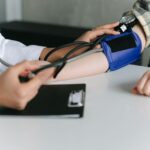
Blood pressure should be checked at least once every two years in adults with normal readings. More frequent monitoring is recommended if you have risk factors, a family history of hypertension, or readings in the elevated range. Home blood pressure monitors are affordable and reliable when used correctly. For accurate home readings, sit quietly for five minutes, place the cuff on a bare arm at heart level, and take two readings one minute apart.
If your blood pressure is consistently at or above 130/80 mmHg, your doctor will likely recommend lifestyle changes and, depending on your overall risk, medication. The goal of treatment is to keep blood pressure below 130/80 mmHg for most adults. Your doctor may set a different target based on your age and other health conditions.
Frequently Asked Questions
Can high blood pressure be cured?
Most cases cannot be cured, but they can be effectively managed. Lifestyle changes and medications can bring blood pressure into a normal range, and some people with mild hypertension can control it without medication.
What is a dangerous blood pressure level?
A reading of 180/120 mmHg or higher is a hypertensive crisis that requires immediate medical attention. Readings this high can damage organs and require urgent care, especially if accompanied by chest pain, shortness of breath, or vision changes.
How quickly can lifestyle changes lower blood pressure?
Some changes work within weeks. Reducing sodium, increasing physical activity, and losing weight can produce measurable blood pressure reductions within two to four weeks in many people.
Is high blood pressure hereditary?
Genetics play a significant role in your risk. If a close family member has hypertension, your risk is higher, but lifestyle choices still strongly influence whether you actually develop it.
