
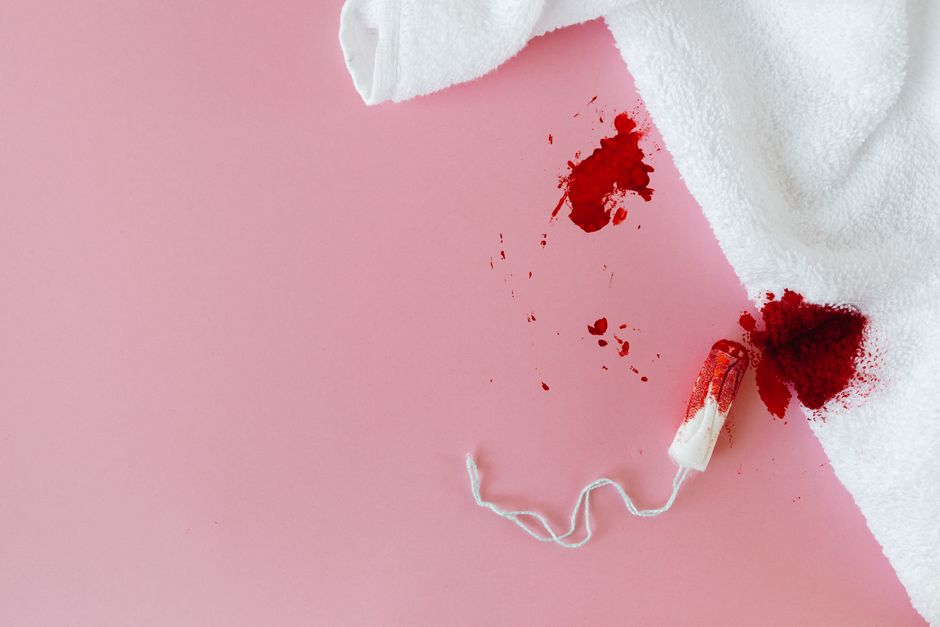
Blood is hard to see with the naked eye, especially once it dries or is cleaned up. But certain types of light can reveal it. Ultraviolet (UV) light makes blood appear as a dark, almost black spot. Luminol, a chemical spray, makes blood glow a bright blue in the dark. Infrared light works differently — it can sometimes show blood under paint or fabric, but the results are less predictable.
How Does Ultraviolet Light Show Blood?
UV light does not make blood glow in the way people often expect. Instead, blood absorbs UV light. Because of this, blood appears as a dark or black patch against a surface that reflects UV light, like a white wall or tile floor.
This effect works best on fresh blood. Dried blood is harder to detect with UV alone. Blood that has been washed or diluted may not show up at all under UV light.
UV light is a useful screening tool, but it is not a confirmation. Many other substances — including some cleaning products, dyes, and bodily fluids — also absorb UV light and appear dark. A dark spot under UV is not proof of blood. It simply tells investigators where to look more closely.
What Is Luminol and How Does It Detect Blood?
Luminol is a chemical reagent that reacts with iron in hemoglobin, the oxygen-carrying protein in red blood cells. When luminol is sprayed onto a surface, it produces a blue glow in the dark if blood is present. This is called chemiluminescence — light produced by a chemical reaction, not by a bulb.
The glow is faint and usually requires complete darkness to see. Investigators often photograph the glow using long-exposure cameras to capture the full pattern of blood stains.
Luminol is extremely sensitive. It can detect blood that has been diluted up to 1 part in 10 million in some studies. It can also reveal blood that has been scrubbed, mopped, or painted over. This makes it one of the most valuable tools in crime scene investigation.
However, luminol is not specific to human blood. It reacts with any blood, including animal blood. It also reacts with certain household chemicals, including bleach, some metals, and certain plant peroxidases. A positive luminol test means blood may be present, but confirmatory testing is always required.
Can Infrared Light Reveal Blood?
Infrared light can sometimes show blood that is invisible to the naked eye, but the method is less reliable than luminol. Blood absorbs infrared light differently than many surrounding materials. This difference can make blood stains appear darker or lighter than the surface beneath them.
Infrared photography is often used to examine blood stains on dark fabrics, like black clothing. Visible light cannot distinguish dried blood from a dark background, but infrared light sometimes can. The technique has also been used to see blood beneath layers of paint on walls.
The limitation is that infrared results vary widely depending on the surface, the age of the stain, and the type of blood. Some fabrics and paints absorb infrared light just like blood does, making the stain impossible to detect. Infrared is a useful supplemental tool, but it is not a stand-alone detection method.




What Light Shows Blood Best in Different Situations?
There is no single light source that works in every situation. The best choice depends on the surface, the age of the stain, and whether the blood is visible to the naked eye.
| Light Source | What It Does | Best Used For |
|---|---|---|
| UV light | Blood appears dark against reflective surfaces | Fresh stains on light, non-porous surfaces |
| Luminol | Blood glows blue in the dark | Dried, diluted, or cleaned-up blood |
| Infrared | Blood may appear darker or lighter than background | Blood on dark fabrics or under paint |
| White light | Shows fresh, bright red blood directly | Visible stains that need documentation |
Alternate light sources, like blue or green light, are also used in forensic work. These can help locate body fluids other than blood, such as semen or saliva, but they are not reliable for blood detection on their own.
Why Doesn’t Blood Glow Under UV Light Like in Movies?
Movies often show blood glowing bright under UV light. That depiction is not accurate. Blood does not fluoresce under UV light — it absorbs it.
Fluorescence happens when a substance absorbs light at one wavelength and emits it at a longer wavelength. Blood lacks the chemical properties needed to do this in a visible way. Instead, the hemoglobin absorbs the UV light and converts it to heat, which is why blood appears dark.
Some bodily fluids, like urine and semen, do fluoresce under UV light. This may be part of why the myth persists. But blood behaves differently, and expecting it to glow will lead to false assumptions.
Can Luminol Produce False Positives?
Yes. Luminol is sensitive but not specific. It reacts with any substance that contains hemoglobin, including animal blood. It also reacts with certain chemicals that are common in households.
Bleach is the most well-known cause of false positives. Luminol reacts with the chlorine in bleach and produces a glow that looks similar to blood. Some metal ions, like copper and iron in rust, can also trigger a reaction. Certain vegetables, including horseradish and parsnips, contain peroxidase enzymes that can cause false positives.
Because of this, a luminol positive result is considered presumptive, not conclusive. Confirmatory tests, such as DNA analysis or specific blood protein tests, are always needed before a stain can be officially identified as blood.
How Do Investigators Use These Lights Together?
Forensic investigators rarely rely on a single light source. They use a sequence of techniques to build a complete picture of a crime scene.
First, they document the scene under normal white light. Then they switch to UV light to look for stains that are not visible to the naked eye. If a suspicious stain is found, they may use infrared photography to examine it on difficult surfaces.
If blood is suspected but not clearly visible, luminol is sprayed in a darkened room. The resulting glow reveals the pattern of stains, which can show the movement of a victim or the location of a cleanup attempt. Investigators photograph the glow immediately because the chemiluminescent reaction fades within minutes.
Each method has limitations. Used together, they provide a more complete and accurate picture than any single technique alone.
Is Blood Detection Under Light Reliable Enough for Court?
Light-based detection methods are used as screening tools, not as final proof. A stain that reacts to luminol or appears dark under UV light is not automatically accepted as blood in court.
Confirmatory testing is required. This usually involves collecting a sample from the stain and sending it to a laboratory for analysis. DNA testing can confirm whether the stain is human blood and identify whose blood it is.
The screening methods described here are valuable because they tell investigators where to look. But the legal standard requires more than a visual reaction — it requires laboratory confirmation.
Frequently Asked Questions
Does blood glow under UV light?
No. Blood absorbs UV light and appears dark, not glowing. This is a common myth that does not match how blood actually behaves.
What light makes dried blood visible?
Luminol is the most reliable method for seeing dried or cleaned-up blood. It produces a blue glow when it reacts with hemoglobin in the blood.
Can infrared light see blood through walls?
No. Infrared light cannot penetrate solid walls. It can sometimes reveal blood beneath thin layers of paint or on dark fabric, but results depend heavily on the surface.
Is luminol safe to use?
Luminol is generally safe when used properly by trained professionals, but it can irritate skin and eyes. It can also damage some surfaces and may interfere with DNA testing if used excessively.
