
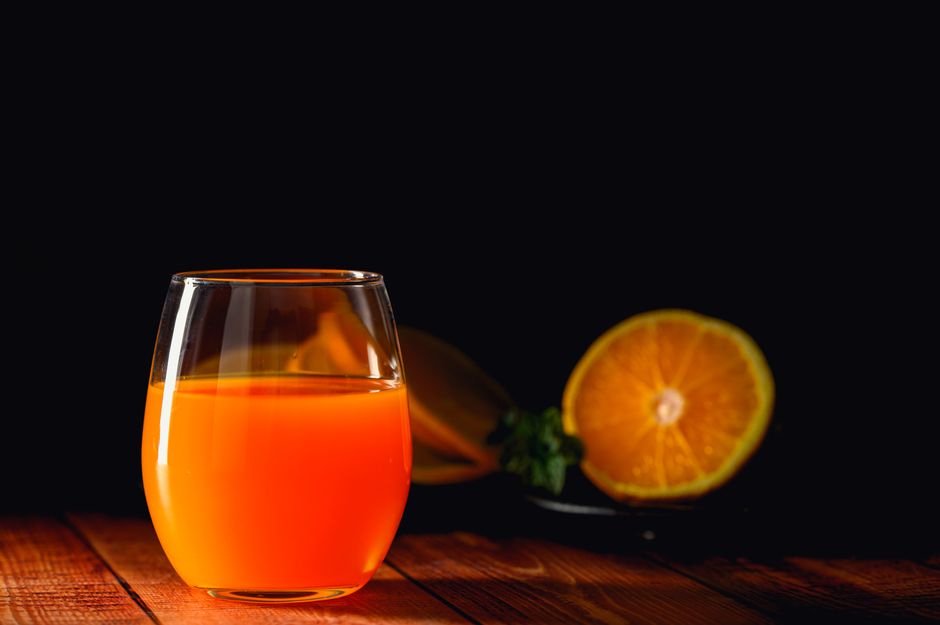
There is no juice that treats inflammation. But if you are looking for the one with the strongest evidence behind it, tart cherry juice stands out. It contains anthocyanins and other polyphenols that have shown measurable effects on inflammatory markers in human studies. Pomegranate juice and orange juice also have meaningful research behind them. Beet juice is a different story: its benefits are mostly about blood pressure, not inflammation.
Juice is not medicine. It cannot replace treatment for an inflammatory condition. What it can do is add plant compounds called polyphenols to your diet. Those compounds have real biological activity. Whether that activity translates into meaningful health outcomes depends on the juice, the dose, and the person drinking it.
What Juice Helps With Inflammation The Most?
Tart cherry juice has the most consistent human evidence for reducing markers of inflammation. Several small trials have found that drinking concentrated tart cherry juice lowers C-reactive protein (CRP) and other inflammatory markers, particularly after exercise. Pomegranate juice has similar supporting evidence, though fewer trials. Orange juice has been studied too, mainly for its flavonoid content.
The key word is “markers.” These are proteins and signaling molecules in the blood that rise with inflammation. A juice lowering one of them does not automatically mean it reduces disease risk or makes you feel better. That distinction matters, and most marketing ignores it entirely.
Here is what the evidence actually supports, ranked by strength:
- Tart cherry juice — the most studied for inflammation markers, especially in exercise recovery research
- Pomegranate juice — good evidence for polyphenol content and some marker reduction in small trials
- Orange juice — flavonoids with anti-inflammatory activity; human outcome data is thinner
- Beet juice — strong evidence for blood pressure, weak evidence for inflammation specifically
- Green juice blends — popular, but almost no direct human trials on inflammation
How Does Juice Affect Inflammation in the Body?
Inflammation is a normal immune response. It becomes a problem when it stays turned on at low levels for months or years. This chronic, low-grade inflammation is linked to heart disease, type 2 diabetes, and several other conditions.
Plant polyphenols — the pigments and defensive compounds in fruits and vegetables — interact with inflammatory signaling pathways. Research has identified specific mechanisms. Anthocyanins, the compounds that make cherries and berries red or purple, appear to influence NF-kB, a protein complex that acts like a switch for inflammatory gene expression. This is established cell and animal biology.
The gap is between mechanism and outcome. A compound influencing a pathway in a lab dish is not the same as a glass of juice changing your health. Human trials are smaller, shorter, and often use surrogate markers rather than hard outcomes like heart attacks or diagnoses.
There is also a practical problem with juice specifically. Juicing removes most of the fiber. Fiber matters for gut bacteria, blood sugar control, and satiety. Whole fruit delivers polyphenols plus fiber. Juice delivers polyphenols plus a concentrated dose of sugar. That trade-off is real and rarely mentioned in juice marketing.
What Does the Research Actually Show About Tart Cherry Juice?
Tart cherry juice has been studied more than any other juice for inflammation. The research falls into two categories: exercise recovery and general inflammatory markers.
In exercise studies, researchers have found that tart cherry juice consumed before and after strenuous activity is associated with reduced muscle soreness and faster recovery of strength. Some of these trials also measured lower CRP and other inflammatory markers. These are small studies, often with 10 to 20 participants. Results have not always been consistent across trials.
In studies of healthy adults and people with conditions like arthritis, some trials have reported reductions in CRP and other markers. Others have found no significant change. The evidence is promising but not settled. No large, long-term trial has confirmed that tart cherry juice reduces disease risk.
One clarification worth knowing: “tart” cherry matters. Montmorency and Balaton varieties are the tart cherries used in most research. Sweet cherries have different polyphenol profiles and have not been studied the same way. Concentrated tart cherry juice is also different from cherry juice blends with added sugar.




Is Pomegranate Juice Good for Inflammation?
Pomegranate juice is rich in punicalagins and other polyphenols, and it has genuine research behind it. Some small human trials have found reductions in inflammatory markers after regular consumption. The evidence is not as extensive as tart cherry research, but it points in the same direction.
Pomegranate juice has also been studied for blood pressure and cholesterol. Some trials suggest modest improvements. Again, these are small studies, and results vary.
One practical note: pomegranate juice is high in sugar and calories. A cup delivers a concentrated dose that most people would not get from eating the fruit itself. If you have diabetes or are watching blood sugar, that matters. Whole pomegranate seeds give you the polyphenols plus fiber.
Does Beet Juice Reduce Inflammation?
Beet juice is famous for blood pressure, not inflammation. The nitrates in beets convert to nitric oxide in the body, which relaxes blood vessels. Research in this area is relatively strong, with multiple human trials showing modest blood pressure reductions.
Inflammation is a different question. Some studies have looked at beet juice and inflammatory markers, but the evidence is much thinner than for blood pressure. If you are drinking beet juice for inflammation specifically, the research does not strongly support that use.
Beet juice is still a reasonable choice for other reasons. Just be clear about what it does and does not do.
What About Green Juice and Other Popular Options?
Green juice blends are everywhere in wellness marketing. The problem is evidence. There are very few human trials looking at green juice and inflammation specifically. The individual ingredients — kale, spinach, celery, cucumber — contain polyphenols and other plant compounds. But a blended juice is not the same as studying each ingredient, and the research simply has not been done.
Ginger and turmeric juices have some supporting research. Curcumin, the active compound in turmeric, has been studied for inflammation, but the evidence is mixed and absorption from food is poor. Ginger has some evidence for nausea and modest anti-inflammatory effects. Neither is established as a juice-based inflammation treatment.
Here is where marketing gets ahead of science. A juice label claiming “anti-inflammatory” is a marketing claim, not a regulated health claim. No juice has been approved to treat or prevent any inflammatory disease.
How Should You Think About Juice and Inflammation?
Juice is a supplement to a diet, not a replacement for one. If you want to reduce chronic inflammation, the evidence is strongest for overall dietary patterns — plenty of vegetables, fruit, whole grains, legumes, and fish — rather than any single beverage.
Research consistently shows that diets rich in plant foods are associated with lower levels of inflammatory markers. That is a well-established finding. The effect of any single juice is small by comparison.
If you want to include a juice with the best evidence, tart cherry and pomegranate are reasonable choices. Drink them in moderation. Watch the sugar. And do not expect them to substitute for medical treatment if you have an inflammatory condition.
One more thing worth knowing: the dose used in most research is concentrated and specific. A glass of juice from the grocery store may not match what was studied. That does not make it useless, but it means the research does not directly apply to every product on the shelf.
Frequently Asked Questions
What is the best juice for inflammation?
Tart cherry juice has the most human research behind it for reducing inflammatory markers. Pomegranate juice is a reasonable second choice, though it has been studied less.
Does tart cherry juice really reduce inflammation?
Some small human trials have found that tart cherry juice lowers markers like CRP, especially after exercise. The evidence is promising but not conclusive, and no large long-term trial has confirmed disease-level benefits.
Is beet juice anti-inflammatory?
The evidence for beet juice and inflammation is weak. Beet juice has stronger research support for lowering blood pressure, not for reducing inflammation.
Can juice replace treatment for an inflammatory condition?
No. Juice is not a treatment for any inflammatory disease. If you have a diagnosed condition, follow your clinician’s guidance and treat juice as a dietary choice, not therapy.
