
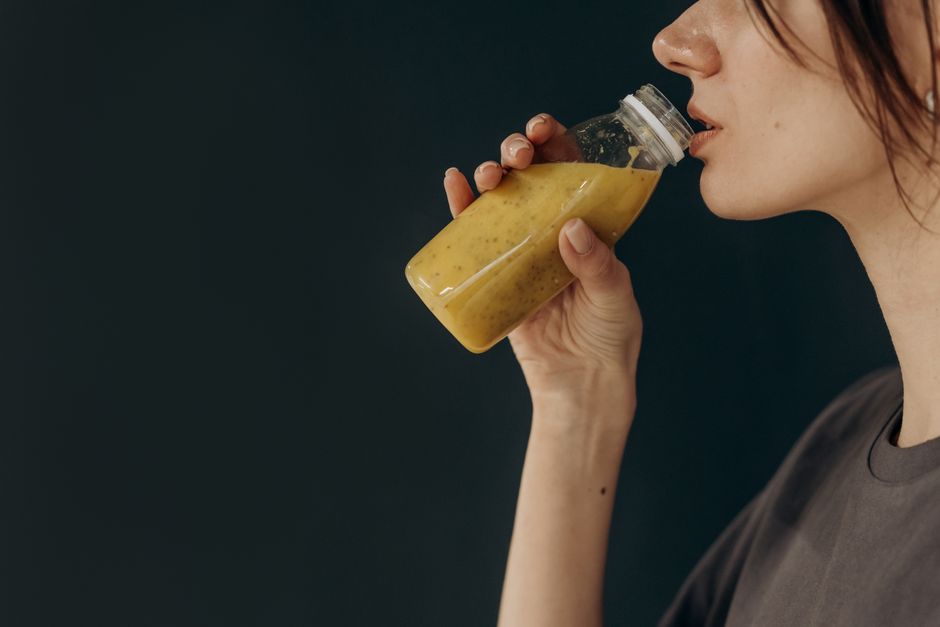
Prune juice is one of the most reliable natural options for relieving constipation, but its benefits go beyond digestive health. It is a concentrated source of fiber, sorbitol, and plant compounds that support bone health and heart health. For most people, drinking a moderate daily glass is a healthy choice, though the sugar content and calorie load mean it is best consumed in measured amounts rather than as a thirst quencher.
What Makes Prune Juice Work for Constipation?
Prune juice is effective for constipation because it contains two compounds that work in different ways. The first is sorbitol, a naturally occurring sugar alcohol that draws water into the intestines. This softens stool and makes it easier to pass. The second is fiber, which adds bulk to stool and helps it move through the digestive tract.
Research consistently shows that prunes and prune juice are more effective than psyllium, a common fiber supplement, for improving stool frequency and consistency. The effect is not just about fiber. The combination of sorbitol and plant compounds called polyphenols appears to stimulate bowel movements independently of fiber content.
For people who struggle with occasional constipation, a standard serving is about 4 to 8 ounces of prune juice per day. Some people find that a smaller amount works well, while others need the full 8 ounces. Starting with a smaller serving and increasing gradually is the safest approach, especially if you are not used to high-fiber foods.
Is Drinking Prune Juice Healthy for Bone Health?
Prune juice contains a surprisingly high amount of boron, a trace mineral involved in bone metabolism. It also provides vitamin K and potassium, both of which play roles in maintaining bone density. Some research suggests that prunes may help prevent bone loss in postmenopausal women, a population at higher risk for osteoporosis.
The evidence here is promising but not definitive. Several small clinical trials have found that eating prunes daily is associated with higher bone mineral density in the spine and forearm compared to control groups. Whether prune juice delivers the same benefit as whole prunes is less clear, because the juicing process removes some fiber and may alter the concentration of certain compounds.
No clinical guidelines currently recommend prune juice specifically for bone health. The existing research focuses mostly on whole prunes, not the juice. If bone health is your main concern, whole prunes are the better supported choice. If you prefer juice, it still contributes beneficial nutrients, but it should not replace calcium, vitamin D, and weight-bearing exercise in your routine.
What Are the Nutritional Facts of Prune Juice?
A standard 8-ounce glass of prune juice contains about 180 calories and roughly 42 grams of carbohydrates, most of which come from natural sugars. It provides about 3 grams of fiber, which is less than the 6 grams found in a serving of whole prunes. The juicing process removes insoluble fiber, leaving mainly soluble fiber behind.
Prune juice is rich in several vitamins and minerals. An 8-ounce serving provides a significant portion of your daily vitamin K needs, along with potassium, magnesium, and boron. It also contains antioxidants called polyphenols, which help neutralize free radicals in the body.
The sugar content is worth paying attention to. The sugars in prune juice are naturally occurring, not added, but they still affect blood sugar. People with diabetes or prediabetes should account for the carbohydrate content. The fiber in prune juice helps slow sugar absorption, but it is not enough to eliminate the blood sugar impact entirely.





Does Prune Juice Help With Heart Health?
Some research suggests that prunes and prune juice may support cardiovascular health. The potassium content helps regulate blood pressure by counteracting the effects of sodium. The polyphenols may improve cholesterol profiles by reducing oxidation of LDL cholesterol, which is a key step in the development of atherosclerosis.
One small study found that drinking prune juice daily for several weeks reduced LDL cholesterol and blood pressure in participants with mildly elevated levels. Another study observed improvements in HDL cholesterol, the “good” cholesterol, among people who consumed prunes regularly. These findings are encouraging but come from small trials with short durations.
The evidence is not strong enough to claim prune juice prevents heart disease. What can be said accurately is that prune juice is a nutrient-dense beverage that fits within a heart-healthy diet when consumed in moderation. It is not a substitute for established heart health strategies such as regular exercise, not smoking, and eating a diet rich in vegetables, whole grains, and lean proteins.
Are There Risks or Side Effects of Drinking Prune Juice?
Prune juice is safe for most people, but it does have potential downsides. The sorbitol that makes it effective for constipation can cause gas, bloating, and abdominal cramps if consumed in large amounts. These effects are more likely in people with irritable bowel syndrome or other digestive sensitivities.
The calorie content is a real consideration. Drinking a glass of prune juice daily adds about 180 calories to your diet. If you are not adjusting your food intake elsewhere, this can lead to gradual weight gain over time. For people watching their weight, the whole fruit is a better option because the fiber content increases fullness and reduces the total amount you are likely to consume.
People with kidney disease should be cautious. Prune juice is high in potassium, and damaged kidneys may not filter potassium effectively. High potassium levels can be dangerous for this population. If you have kidney disease, talk to your doctor before adding prune juice to your routine.
Prune juice is not recommended as a laxative for young children without a doctor’s guidance. The sorbitol content can cause diarrhea and dehydration in infants and toddlers. For adults, the laxative effect is generally mild and well tolerated at recommended serving sizes.
How Much Prune Juice Should You Drink Per Day?
For adults, the commonly recommended amount is 4 to 8 ounces per day. This provides enough sorbitol and fiber to support regular bowel movements without overwhelming the digestive system. Some people find that half a glass is sufficient, especially if they eat other high-fiber foods throughout the day.
If you are using prune juice to relieve existing constipation, you may need to drink it consistently for a day or two before seeing results. It is not an immediate laxative like stimulant medications. It works by softening stool and promoting movement, which takes time.
No established upper limit exists for prune juice consumption, but more is not better. Drinking large quantities can lead to diarrhea, cramping, and excessive calorie intake. One glass per day is a reasonable maximum for most people. If you are using it specifically for constipation, consider whether your diet includes enough water and fiber from other sources before increasing the amount.
Frequently Asked Questions
Is prune juice better than whole prunes for constipation?
Whole prunes are more effective because they contain more fiber per serving. The juicing process removes insoluble fiber, which is important for stool bulk.
Can drinking prune juice every day cause diarrhea?
Yes, if you drink large amounts. The sorbitol in prune juice draws water into the intestines, and excessive intake can lead to loose stools and cramping.
Does prune juice spike blood sugar?
Prune juice raises blood sugar because it is high in natural sugars, but the soluble fiber helps slow absorption. People with diabetes should count it as part of their carbohydrate intake.
Is prune juice safe during pregnancy?
Prune juice is generally safe during pregnancy and is commonly used for pregnancy-related constipation. Check with your obstetrician before using it regularly.
