
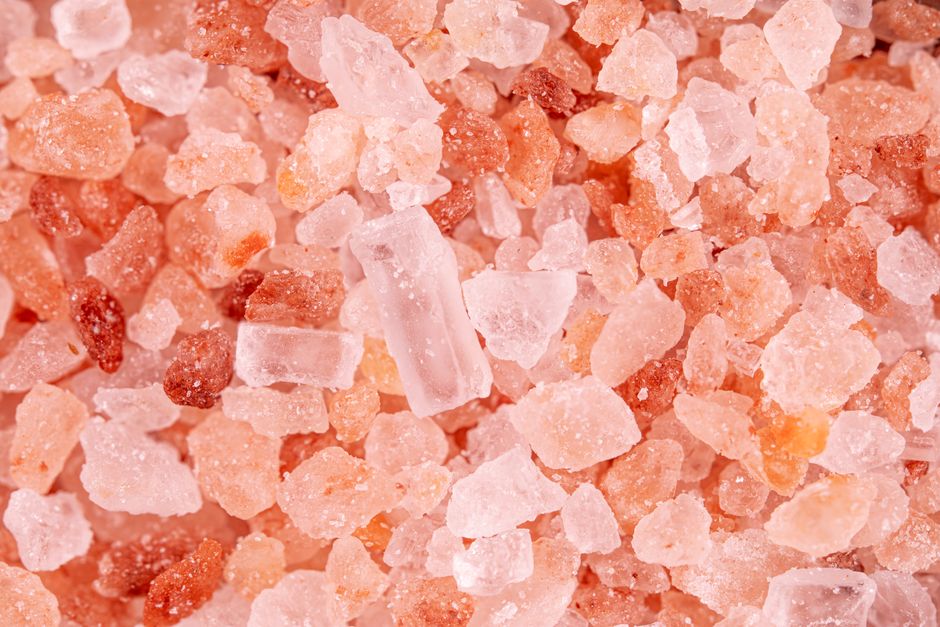
Salt is essential for your body to function, but too much of it can quietly drive inflammation. When you consume excess sodium, your body holds onto water, and your immune system responds in ways that can irritate blood vessels and tissues. Over time, this process contributes to high blood pressure, tissue damage, and chronic inflammatory conditions. The link between salt and inflammation is not just about water retention — it involves direct changes in how your immune cells behave.
What Happens to Your Body When You Eat Too Much Salt
Your kidneys tightly regulate sodium levels. When you eat a high-salt meal, your kidneys work to excrete the extra sodium, but they also hold onto water to keep sodium concentration stable. This increases the volume of blood in your bloodstream, which raises blood pressure.
High blood pressure is not the only concern. Research has found that excess sodium can activate immune cells called macrophages. These cells normally fight infection, but when overstimulated, they release inflammatory molecules. This happens even before blood pressure rises, meaning inflammation can occur independently of hypertension.
The body’s fluid balance is controlled by hormones, including aldosterone and vasopressin. When salt intake is chronically high, these hormonal systems stay switched on, and this sustained activation adds another layer of inflammatory stress to blood vessels and organs.
How Excess Salt Triggers Inflammation In The Body
Excess salt triggers inflammation through several distinct pathways. The most direct mechanism involves immune cells. Sodium enters immune cells through specific channels and changes how those cells express genes. High sodium shifts macrophages toward a pro-inflammatory state, meaning they produce more inflammatory signaling proteins called cytokines.
One key cytokine is interleukin-17, which is produced by a type of T-helper cell. Studies have shown that high salt conditions push naive T-cells to become Th17 cells, which are strongly pro-inflammatory. This pathway is well documented in laboratory experiments and has been confirmed in human studies where participants consumed controlled high-salt diets.
Another mechanism involves the lining of your blood vessels, called the endothelium. High sodium stiffens the endothelial cells and reduces their ability to produce nitric oxide, a molecule that keeps blood vessels relaxed. When nitric oxide production drops, blood vessels constrict, blood pressure rises, and the vessel walls become more vulnerable to inflammatory damage.
There is also evidence that salt affects your gut microbiome. Some research suggests that a high-salt diet alters the balance of bacteria in the gut, reducing beneficial species like Lactobacillus. This shift can increase inflammatory immune activity throughout the body. The gut-salt-inflammation connection is an emerging area of study, and not all findings are consistent yet.
What the Research Shows About Salt and Inflammation
Human trials have provided strong evidence that excess salt increases inflammatory markers. In one well-known study, healthy adults were given a controlled high-salt diet for a period of time, and researchers measured their immune cells before and after. The results showed a clear increase in pro-inflammatory immune cells called monocytes, along with higher levels of inflammatory cytokines in the blood.
Other studies have looked at salt’s effect on specific inflammatory conditions. People with autoimmune diseases like rheumatoid arthritis and multiple sclerosis have been observed to experience more symptom flares when their salt intake is high. Some research suggests that high salt intake is a risk factor for developing autoimmune conditions in genetically susceptible people, though this connection is not fully confirmed.
The evidence on salt and inflammation is strongest for blood pressure and cardiovascular health. High sodium intake is consistently linked to hypertension, and hypertension itself promotes inflammation in blood vessel walls. This creates a cycle: salt raises blood pressure, blood pressure damages vessels, damaged vessels trigger inflammation, and inflammation worsens vessel damage.
It is important to note that not every person responds to salt the same way. Salt sensitivity — the degree to which blood pressure changes in response to salt intake — varies significantly between individuals. Older adults, people with kidney disease, and people of African descent tend to be more salt-sensitive. However, inflammatory responses to salt may occur even in people who are not salt-sensitive by blood pressure standards.





How Much Salt Is Too Much
The average American consumes about 3,400 milligrams of sodium per day. This is well above the recommended limit. The Dietary Guidelines for Americans recommend limiting sodium to less than 2,300 milligrams per day, which is about one teaspoon of salt. For people with high blood pressure, kidney disease, or other risk factors, many clinicians recommend an even lower target of 1,500 milligrams per day.
Most of the sodium in the American diet does not come from the salt shaker. About 70 percent comes from processed and restaurant foods. Bread, deli meats, canned soups, cheese, and condiments are common hidden sources. Even foods that do not taste salty, like some breakfast cereals and baked goods, can contain significant amounts of sodium.
Reading nutrition labels is the most reliable way to track sodium intake. Look at the sodium content per serving, and be aware of serving sizes. A food that contains 400 milligrams of sodium per serving may seem moderate, but if you eat three servings, that is already more than a quarter of your daily limit.
Practical Ways to Reduce Salt Without Losing Flavor
Reducing salt does not mean eating bland food. The palate adapts to lower sodium levels within a few weeks, and foods that once tasted normal will begin to taste overly salty.
Try these strategies to cut sodium:
- Cook more meals at home using whole ingredients like fresh vegetables, fruits, lean meats, and whole grains
- Use herbs, spices, garlic, onion, citrus juice, and vinegar to season food instead of salt
- Rinse canned beans and vegetables before using them — this can remove a significant portion of the added sodium
- Choose products labeled “no salt added” or “low sodium” when shopping
- Limit processed meats like bacon, sausage, and deli turkey, which are among the highest-sodium foods
- When eating out, ask for sauces and dressings on the side, and request that your meal be prepared without added salt
Potassium can help counteract some of sodium’s effects on blood pressure. Foods rich in potassium include bananas, sweet potatoes, spinach, avocados, and beans. A diet rich in potassium supports healthy blood pressure and may reduce some of the inflammatory effects of excess sodium. However, people with kidney disease should not increase potassium intake without medical guidance, as their kidneys may not be able to clear excess potassium.
Who Should Be Most Careful About Salt Intake
Certain groups face higher risks from excess salt and should be especially careful about their intake. People with high blood pressure, diabetes, or chronic kidney disease are the most vulnerable. These conditions already involve some degree of vascular inflammation, and excess salt amplifies it.
Older adults are also at higher risk because kidney function naturally declines with age, making it harder to excrete excess sodium. Blood vessels also become stiffer with age, so the same amount of salt causes a greater blood pressure increase.
If you have a diagnosed inflammatory condition, such as an autoimmune disease, some evidence suggests that reducing salt may help manage symptoms. The evidence is not strong enough to recommend salt reduction as a standalone treatment, but it is a reasonable part of an overall anti-inflammatory approach. Talk to your doctor about whether a lower sodium target makes sense for your situation.
Can Cutting Salt Reverse Inflammation
Yes, in many cases. When people reduce their sodium intake, blood pressure drops, and markers of inflammation tend to decrease as well. The body’s fluid volume normalizes, blood vessels regain some flexibility, and immune cells become less activated.
The timeline varies. Some inflammatory markers can improve within weeks of reducing salt intake. Blood pressure changes can be seen within days to weeks. However, if blood vessel damage has already occurred, some inflammatory changes may persist even after salt reduction. Salt reduction is not a cure for existing inflammatory conditions, but it is a meaningful step toward reducing inflammatory burden.
It is also worth noting that salt is not the only driver of inflammation. Diet quality overall matters. A diet high in processed foods, refined sugars, and unhealthy fats promotes inflammation regardless of salt content. The best approach is a balanced diet centered on whole foods, adequate sleep, regular physical activity, and stress management.
Frequently Asked Questions
Does salt cause inflammation or just high blood pressure?
Salt directly triggers inflammation through immune cell activation, independent of its effects on blood pressure. High sodium shifts immune cells toward a pro-inflammatory state, increasing inflammatory cytokines even in people with normal blood pressure.
How long does it take for salt inflammation to go away?
Inflammatory markers can begin to drop within a few weeks of reducing sodium intake. Blood pressure typically responds faster, often within days, but the full reduction in inflammatory activity depends on how long you maintain lower salt intake.
Can drinking more water flush out excess salt?
Drinking water helps your kidneys excrete sodium, but it does not fully prevent salt-induced inflammation. Once immune cells have been activated by high sodium, they do not instantly return to normal just because you drink more water.
Is sea salt or pink Himalayan salt better for inflammation?
No. Sea salt and pink Himalayan salt contain the same amount of sodium as regular table salt and trigger the same inflammatory response. The trace minerals in these salts are present in amounts too small to provide any meaningful health benefit.
