
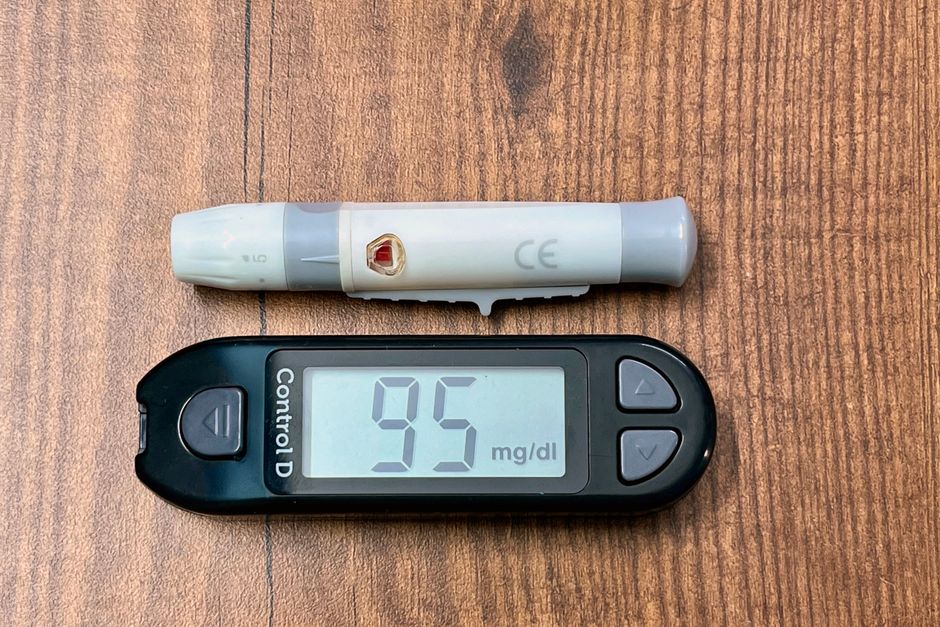
Your normal blood sugar depends on when you last ate. For most healthy adults, a fasting blood sugar level — meaning you have not eaten for at least eight hours — should be between 70 and 100 mg/dL. Two hours after a meal, it should be below 140 mg/dL. These numbers come from the American Diabetes Association and are the standard most doctors use. If your fasting level is between 100 and 125 mg/dL, that is considered prediabetes. A fasting level of 126 mg/dL or higher on two separate tests indicates diabetes. These ranges are not suggestions. They are clinical thresholds based on decades of research.
What Is Your Normal Blood Sugar Supposed To Be at Different Times of Day?
Blood sugar naturally rises and falls throughout the day. Your body does not keep it perfectly flat. That would be a sign of something wrong. The key is knowing what is normal at each point.
Fasting blood sugar — measured first thing in the morning before any food or drink except water — should be 70 to 100 mg/dL. Before meals, the same range applies. One to two hours after the start of a meal, blood sugar typically rises but should stay under 140 mg/dL for most people. The American Diabetes Association states that a post-meal level under 180 mg/dL is acceptable for those with diabetes, but for someone without diabetes, staying under 140 is the target.
Bedtime blood sugar is also worth knowing. For people without diabetes, it usually falls between 100 and 140 mg/dL. If it drops below 70 at any point, that is hypoglycemia and needs attention. If it stays above 180 for hours, that is hyperglycemia and also needs attention.
What Is Your Normal Blood Sugar Supposed To Be for Different Age Groups?
Age changes how your body handles glucose, but the standard ranges do not shift much for healthy adults. For children and teenagers, the same fasting range of 70 to 100 mg/dL applies. The American Diabetes Association does not have separate age-based targets for children without diabetes. For older adults, especially those over 65, some doctors allow slightly higher targets — fasting up to 110 mg/dL — because the risk of hypoglycemia from overtreatment can be more dangerous than mild elevation. But this is a clinical judgment, not a new normal range.
For pregnant women, the targets are stricter. Fasting blood sugar should be below 95 mg/dL, and one hour after a meal it should be below 140 mg/dL. These tighter ranges exist because high blood sugar during pregnancy increases risks for both mother and baby. The American College of Obstetricians and Gynecologists recommends screening for gestational diabetes between 24 and 28 weeks of pregnancy.
What Does a Normal A1C Have to Do With Blood Sugar?
Your A1C is not the same as your daily blood sugar number. It is a three-month average. Think of it as a report card for your blood sugar control, while your daily meter reading is a single test score.
A normal A1C is below 5.7 percent. Between 5.7 and 6.4 percent indicates prediabetes. An A1C of 6.5 percent or higher means diabetes. The A1C test measures how much glucose has attached to hemoglobin in your red blood cells. Because red blood cells live about three months, the test reflects your average glucose over that period.
There is a rough relationship between A1C and average blood sugar. An A1C of 6 percent corresponds to an average blood sugar of about 126 mg/dL. An A1C of 7 percent equals about 154 mg/dL. But these are averages. Someone with an A1C of 6 percent could have swings from 80 to 200 mg/dL during the day. That is why doctors use both A1C and daily readings to get the full picture.


What Happens When Blood Sugar Goes Outside Normal Range?
When blood sugar drops below 70 mg/dL, that is hypoglycemia. Symptoms include shakiness, sweating, confusion, and in severe cases, loss of consciousness. This can happen if you take too much diabetes medication, skip meals, or exercise intensely without eating enough. For someone without diabetes, hypoglycemia is rare but can occur with certain medical conditions or after heavy alcohol use.
When blood sugar stays above 180 mg/dL for extended periods, that is hyperglycemia. Short-term symptoms include frequent urination, increased thirst, and blurred vision. Long-term high blood sugar damages blood vessels and nerves. Research published in the New England Journal of Medicine has shown that sustained high blood sugar increases the risk of heart disease, kidney failure, vision loss, and nerve damage. The damage happens slowly over years. That is why catching prediabetes early matters so much.
How Often Should You Check Your Blood Sugar?
If you do not have diabetes or prediabetes, there is no need to check your blood sugar at home. Routine monitoring is not recommended for healthy people. The U.S. Preventive Services Task Force suggests screening for prediabetes and diabetes starting at age 35 for overweight or obese adults. If you are at higher risk — family history, high blood pressure, or history of gestational diabetes — screening may start earlier.
If you have prediabetes or diabetes, your doctor will tell you how often to check. For type 1 diabetes, that is usually multiple times a day. For type 2 diabetes managed with medication, it may be once or twice daily. Continuous glucose monitors are becoming more common, but they are not necessary for most people without diabetes. Some people without diabetes use them out of curiosity. The data can be interesting but also misleading. A normal blood sugar spike after a meal looks alarming on a graph but is harmless.
What Factors Actually Raise Blood Sugar Beyond Food?
Most people think only food affects blood sugar. That is not true. Several other factors matter just as much.
| Factor | Effect on Blood Sugar |
|---|---|
| Stress | Raises blood sugar through cortisol release |
| Poor sleep | Raises blood sugar by reducing insulin sensitivity |
| Illness or infection | Raises blood sugar as part of immune response |
| Dehydration | Raises blood sugar by concentrating glucose in blood |
| Certain medications | Can raise or lower blood sugar depending on drug |
| Exercise | Lowers blood sugar short-term, improves sensitivity long-term |
Stress is one of the most overlooked factors. When you are stressed, your body releases cortisol and adrenaline. These hormones tell your liver to release stored glucose. This was useful for running from predators. It is less useful when the stress is a deadline or traffic jam. Chronic stress keeps blood sugar slightly elevated all the time.
Sleep matters more than most people realize. A study in Diabetes Care found that even one night of partial sleep loss reduced insulin sensitivity by 25 percent. Over time, poor sleep patterns can push someone from normal blood sugar into prediabetes range.
What Is Your Normal Blood Sugar Supposed To Be — and How Do You Keep It There?
Keeping blood sugar in the normal range does not require extreme diets or expensive supplements. The evidence supports several straightforward habits.
- Eat fiber-rich foods with meals. Vegetables, beans, and whole grains slow down glucose absorption.
- Walk after meals. Even a 10-minute walk lowers post-meal blood sugar.
- Get seven to nine hours of quality sleep per night.
- Manage stress through exercise or relaxation techniques.
- Stay hydrated. Dehydration concentrates blood glucose.
- Limit sugary drinks. They spike blood sugar faster than solid food.
There is no magic food or pill that fixes blood sugar permanently. The CDC states that losing 5 to 7 percent of body weight can reduce the risk of progressing from prediabetes to type 2 diabetes by 58 percent. That is roughly 10 to 14 pounds for a 200-pound person. The effect is real and well-documented.
Common Misconceptions About Normal Blood Sugar
One widespread myth is that fruit is bad for blood sugar because it contains sugar. Whole fruit contains fiber, which slows sugar absorption. The fiber in an apple makes it very different from apple juice. Studies have not found that whole fruit consumption increases diabetes risk. In fact, some research suggests it lowers it.
Another myth is that normal blood sugar should never go above 100 mg/dL after eating. That is not correct. A post-meal spike to 120 or 130 mg/dL is normal and healthy. The body is designed to handle glucose after meals. Problems arise when levels stay high for hours or when fasting levels creep up.
A third myth is that low-carb diets are the only way to control blood sugar. Low-carb diets can lower blood sugar quickly, but they are not the only effective approach. The Mediterranean diet, which includes whole grains and legumes, has strong evidence for improving blood sugar control. The key is overall pattern, not a single nutrient.
Frequently Asked Questions
What is a normal blood sugar level for a person without diabetes?
Fasting blood sugar should be between 70 and 100 mg/dL. Two hours after a meal it should be below 140 mg/dL.
Is 105 blood sugar normal after eating?
Yes, 105 mg/dL after eating is normal. It falls well below the 140 mg/dL threshold for healthy post-meal levels.
What blood sugar level is considered prediabetes?
A fasting blood sugar between 100 and 125 mg/dL is considered prediabetes. An A1C between 5.7 and 6.4 percent also indicates prediabetes.
Can stress raise blood sugar in people without diabetes?
Yes, stress raises blood sugar through the release of cortisol and adrenaline, even in people without diabetes.
