
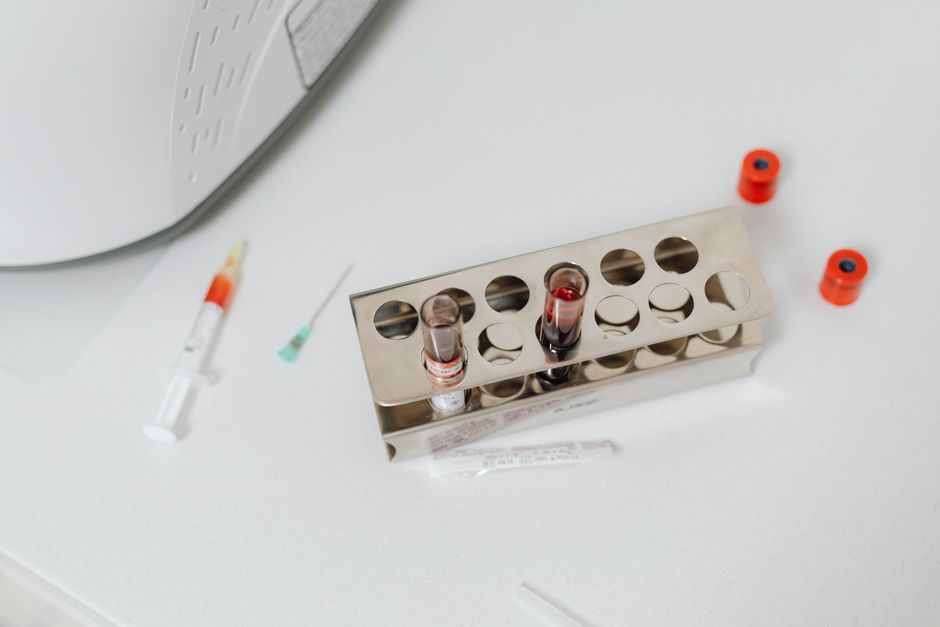
A white blood cell (WBC) count measures the number of infection-fighting cells in your blood. A normal WBC count for most adults ranges from 4,500 to 11,000 cells per microliter of blood. A high WBC count (leukocytosis) often signals infection, inflammation, or stress, while a low WBC count (leukopenia) can indicate bone marrow problems, autoimmune conditions, or certain medication effects.
What Is a WBC Blood Test Actually Measuring?
Your white blood cells are part of your immune system. They patrol your bloodstream and tissues looking for threats. When they find something foreign, they multiply and move toward the site of infection or injury.
A WBC test counts all five types of white cells in one number. These include neutrophils, lymphocytes, monocytes, eosinophils, and basophils. Each type has a different job. Neutrophils fight bacteria. Lymphocytes handle viruses. Monocytes clean up debris. Eosinophils respond to allergies and parasites. Basophils are involved in inflammatory reactions.
Laboratories count these cells using automated machines that analyze a small blood sample. The result comes back as a total count and a breakdown called a differential. The differential tells you which types are high or low. This is often more useful than the total number alone.
The normal range varies slightly between labs. Some labs set the upper limit at 10,500 instead of 11,000. Children and pregnant women naturally have higher counts. These are normal variations, not signs of disease.
What Causes a High WBC Count?
A high WBC count is common and usually temporary. The body increases white cell production when it senses a threat. The most frequent cause is a bacterial or viral infection. Your bone marrow releases more neutrophils or lymphocytes to fight the invader.
Other causes include physical stress. Surgery, trauma, or intense exercise can push WBC counts upward. Emotional stress also raises them temporarily. This is a normal response mediated by stress hormones like cortisol and adrenaline.
Chronic inflammation from conditions like rheumatoid arthritis or inflammatory bowel disease can keep WBC counts elevated for months or years. Smoking is another cause. Smokers often have higher baseline counts than nonsmokers. The CDC reports that smoking causes chronic low-grade inflammation throughout the body.
More serious causes include bone marrow disorders like leukemia. In these cases, the bone marrow produces abnormal white cells that do not function properly. The count may be extremely high, sometimes over 100,000 cells per microliter. This is rare. Most high counts are benign and resolve when the underlying cause resolves.
What Causes a Low WBC Count?
A low WBC count happens when production slows or when white cells are destroyed faster than the bone marrow can replace them. Certain medications are a common cause. Chemotherapy drugs are designed to target rapidly dividing cells, which includes bone marrow cells. This is an expected side effect.
Autoimmune conditions like lupus can cause low counts because the immune system mistakenly attacks its own white blood cells. Viral infections, particularly HIV and hepatitis, can suppress bone marrow function. Severe infections can also temporarily deplete white cell reserves.
Bone marrow problems such as aplastic anemia or myelodysplastic syndromes reduce the marrow’s ability to produce any blood cells, including white cells. Nutritional deficiencies, especially vitamin B12 and folate, can also cause low counts. The body needs these nutrients to make DNA, and without them, cell division slows down.
Some people naturally have low-normal counts with no underlying disease. This is called benign ethnic neutropenia and is more common in people of African or Middle Eastern descent. It is not dangerous and does not require treatment.





When Should You Be Concerned About Your WBC Count?
One abnormal result does not mean you have a disease. Doctors rarely make decisions based on a single lab value. They look at trends over time and consider the full picture including symptoms and other test results.
A high WBC count with fever, chills, or pain likely points to an infection. A very high count above 30,000 that persists without explanation requires further investigation. The same is true for a low count below 3,000 that does not improve.
Symptoms that warrant attention include unexplained weight loss, night sweats, easy bruising, frequent infections, or swollen lymph nodes. These symptoms combined with abnormal counts need a thorough workup. The National Cancer Institute recommends a complete blood count with differential as the first step.
Age matters. Children bounce back quickly from infections. Older adults may have slower bone marrow responses. A low count in someone over 65 should be taken more seriously than in a healthy 30-year-old.
| WBC Count (cells/mcL) | Category | Common Causes |
|---|---|---|
| Below 4,000 | Low (leukopenia) | Medications, autoimmune disease, bone marrow suppression |
| 4,500 – 11,000 | Normal | Healthy range for most adults |
| 11,000 – 20,000 | Mildly elevated | Infection, inflammation, stress, smoking |
| 20,000 – 30,000 | Moderately elevated | Serious infection, severe inflammation |
| Above 30,000 | Markedly elevated | Leukemia, severe bone marrow response |
What Does the Differential Tell You That the Total Count Does Not?
The differential breaks down your total WBC count into individual cell types. This is where the real diagnostic value lies. A total count tells you something is happening. The differential tells you what kind of something it is.
High neutrophils usually mean bacterial infection or acute stress. High lymphocytes point to viral infection or some blood cancers. High eosinophils suggest allergies, asthma, or parasitic infections. High monocytes can indicate chronic inflammation or recovery from infection.
Low neutrophils, a condition called neutropenia, increase the risk for bacterial infections. Low lymphocytes can occur with HIV, chemotherapy, or autoimmune diseases. These patterns help doctors narrow down the cause quickly.
Research published in the American Journal of Clinical Pathology shows that the differential is more predictive of certain conditions than the total count alone. For example, a normal total count with a high eosinophil percentage might be the first clue to an undiagnosed allergic condition.
Common Misconceptions About WBC Counts
Many people believe that a high WBC count always means cancer. This is not true. The vast majority of high counts are caused by infections, stress, or inflammation. Leukemia is rare, affecting about 14 out of every 100,000 people per year according to the American Cancer Society.
Another misconception is that a low WBC count automatically means a weak immune system. In many cases, it does not. People with benign ethnic neutropenia have perfectly normal immune function. Their bodies simply maintain a lower baseline.
Some people think that taking vitamins will raise a low WBC count. This only works if the low count is caused by a specific deficiency. Taking extra vitamin C or zinc will not boost white cell production in someone who is already well-nourished. The body regulates white cell production tightly and is not easily manipulated by supplements.
There is also a belief that a normal WBC count means you are healthy. This is misleading. Many serious conditions, including early stage cancers and autoimmune diseases, can present with normal counts. The WBC test is one piece of information, not a complete health report.
Frequently Asked Questions
Can stress really raise your WBC count?
Yes. Physical and emotional stress trigger the release of stress hormones that temporarily increase white blood cell production. This is a normal physiological response and usually resolves when the stress passes.
How long does it take for WBC count to return to normal after infection?
Most people see their WBC count return to normal within one to two weeks after the infection resolves. Severe infections may take longer, especially in older adults or those with weakened immune systems.
Is a WBC count of 12,000 dangerous?
A count of 12,000 is mildly elevated and rarely dangerous on its own. Your doctor will consider it alongside your symptoms and other lab results to determine if further testing is needed.
What medications can lower WBC count?
Chemotherapy drugs, some antibiotics, antipsychotics, and antithyroid medications are common causes. Always review medication side effects with your doctor if you develop a low WBC count while taking a new drug.
