
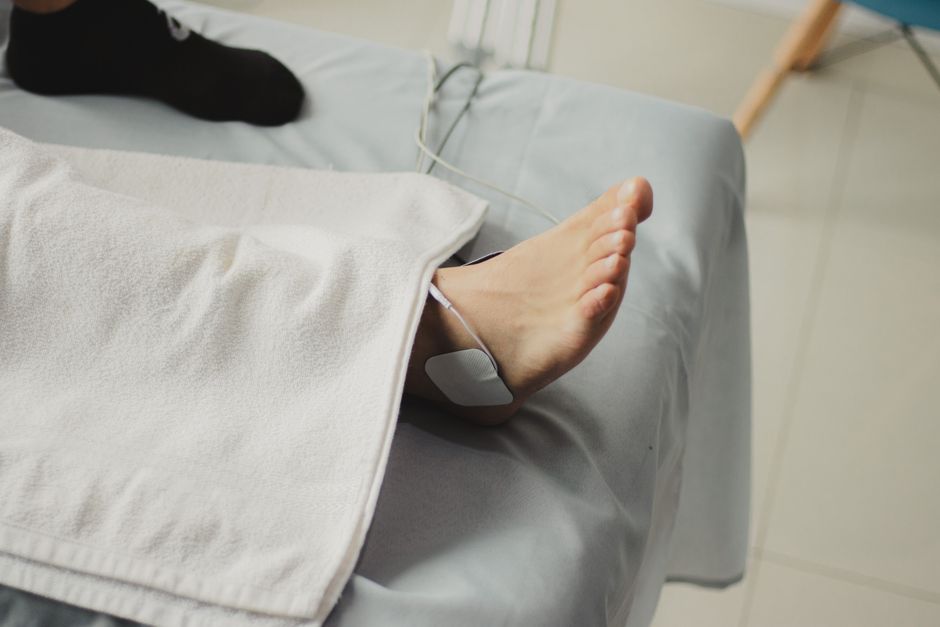
Venous insufficiency is a condition where the veins in your legs struggle to send blood back to your heart. This happens when the one-way valves inside the veins become weak or damaged. When these valves fail, blood pools in the lower legs, causing symptoms like swelling, heaviness, and visible varicose veins. Treatment ranges from compression stockings and lifestyle changes to minimally invasive procedures that close off the faulty veins.
What Causes Venous Insufficiency?
Your leg veins work against gravity. They have tiny one-way valves that open to let blood flow upward toward the heart and then close to prevent it from flowing backward. Venous insufficiency develops when these valves stop working properly.
Several factors raise your risk. Age is a major one — valves naturally weaken over time. Pregnancy puts significant pressure on the pelvic and leg veins. A family history of vein problems increases your odds. Being overweight adds pressure to your leg veins. Standing or sitting for long periods without movement also makes it harder for blood to flow upward.
Deep vein thrombosis, or DVT, is another important cause. A blood clot in the deep veins can damage the valves directly. Even after the clot resolves, the valve damage can remain permanent. This condition is called post-thrombotic syndrome.
What Are the Symptoms of Venous Insufficiency?
Symptoms usually develop gradually. Many people first notice a heavy, achy feeling in their legs, especially at the end of the day. This discomfort often improves when you elevate your legs or walk around.
Visible signs include varicose veins — those bulging, twisted veins just under the skin. You may also notice swelling in your ankles and lower legs. This swelling, called edema, often worsens as the day goes on and improves overnight with leg elevation.
Other common symptoms include:
- Itching or a burning sensation over the affected veins
- Skin changes, such as a brownish or reddish discoloration around the ankles
- Skin that feels leathery, dry, or thickened
- Leg cramps, especially at night
- Restless legs or a feeling of throbbing in the calves
If venous insufficiency progresses without treatment, more serious complications can develop. These include venous stasis dermatitis, where the skin becomes inflamed and scaly, and venous ulcers — open sores that form most often near the inner ankle. These ulcers are slow to heal and require medical care.
How Is Venous Insufficiency Diagnosed?
A doctor will start with a physical exam and a review of your medical history. They will look at your legs while you stand, checking for swelling, skin changes, and varicose veins.
The key diagnostic test is a venous duplex ultrasound. This painless test uses sound waves to create images of your veins. It shows blood flow direction and speed, and it reveals whether the valves are leaking. The ultrasound is performed while you stand or sit with your legs hanging down, which puts gravity to work and makes valve problems easier to see.
In some cases, a doctor may order additional imaging. Venography, where a contrast dye is injected into your veins before X-rays are taken, is less common now but can provide detailed images if surgery is planned. Your doctor may also check for other conditions that can mimic venous insufficiency, such as lymphedema or heart or kidney problems that cause leg swelling.




What Are the Treatment Options for Venous Insufficiency?
Treatment depends on how severe your condition is and what symptoms bother you most. The goal is the same in every case: improve blood flow, reduce symptoms, and prevent complications.
Compression Therapy
Compression stockings are the foundation of venous insufficiency treatment. These specially fitted stockings apply graduated pressure — tightest at the ankle and gradually looser toward the knee or thigh. This external pressure helps the veins push blood upward and reduces swelling.
Compression stockings come in different pressure levels. Mild stockings may help with minor symptoms, while stronger ones are needed for more advanced disease. A doctor or trained fitter should measure your legs to ensure a proper fit. Stockings that are too tight can cause discomfort or skin damage; ones that are too loose will not help.
Lifestyle Changes
Elevating your legs above heart level for 15 to 30 minutes several times a day helps drain pooled blood. Regular walking and exercise strengthen the calf muscles, which act as a secondary pump to push blood upward. Maintaining a healthy weight reduces pressure on the veins.
Avoiding long periods of standing or sitting is important. If your job requires either, take short breaks to walk around or flex your ankles. Some people find that elevating the foot of their bed slightly helps reduce morning swelling.
Minimally Invasive Procedures
When symptoms are moderate to severe, or when compression alone is not enough, several procedures can close off the faulty veins. These are called ablative treatments. They redirect blood to healthier veins nearby.
Endovenous laser ablation and radiofrequency ablation are the most common. A thin catheter is inserted into the vein, and heat is used to seal it closed. These are outpatient procedures performed with local anesthesia. Most people return to normal activities within a day or two.
Sclerotherapy involves injecting a solution directly into the vein, causing it to collapse and fade. This is often used for smaller varicose veins and spider veins.
Phlebectomy is a procedure where small incisions are made and the faulty vein is removed with a small hook. It is used for surface veins that are too large for sclerotherapy.
These procedures are generally safe, but they are not risk-free. Bruising, pain, and temporary skin discoloration are common. More serious complications like blood clots or nerve injury are rare but possible. Your doctor will discuss the risks and benefits before recommending a specific approach.
What Happens If Venous Insufficiency Goes Untreated?
Venous insufficiency is a progressive condition. Without treatment, symptoms tend to worsen over time.
Chronic swelling can cause the skin and tissues to become thickened and fibrotic — a condition called lipodermatosclerosis. The skin becomes hard, tight, and discolored. This makes the area more vulnerable to injury and slows healing.
Venous ulcers are the most serious complication. These open sores develop when chronic fluid buildup and poor blood flow damage the skin. They can be painful, become infected, and take months to heal. Even after healing, they often recur without ongoing management.
Untreated venous insufficiency can also increase the risk of superficial thrombophlebitis — inflammation and blood clots in veins just below the skin. This causes pain, redness, and swelling along the vein.
Early treatment does more than relieve symptoms. It can halt the progression of the disease and prevent irreversible skin and tissue damage.
Can Venous Insufficiency Be Prevented?
You cannot change some risk factors like age and family history. But you can take steps to reduce your risk or slow the progression of early vein problems.
Regular physical activity is the single most effective preventive measure. Walking, swimming, and cycling all engage the calf muscles and promote healthy blood flow. If you sit for long periods, stand up and move every hour. If you stand for long periods, shift your weight, walk briefly, or do calf raises.
Maintaining a healthy weight matters. Excess weight, especially around the abdomen, increases pressure on the veins in your legs. Losing weight can relieve symptoms even if it does not reverse existing valve damage.
Wearing compression stockings during long flights or extended periods of standing can help, especially if you have early signs of vein problems or a family history of them. Some research suggests that regular exercise and weight management are the most effective preventive strategies, though no single approach guarantees you will never develop the condition.
When Should You See a Doctor?
See a doctor if you have persistent leg swelling, pain, or heaviness that does not improve with elevation or rest. You should also seek medical attention if you notice skin changes around your ankles, open sores, or a sudden increase in the size or pain of varicose veins.
Seek urgent care if you have sudden swelling or pain in one leg, especially if it is accompanied by warmth, redness, or tenderness. These can be signs of a deep vein thrombosis, which requires immediate medical evaluation.
Venous insufficiency is common and treatable. Most people with the condition manage it effectively with compression, lifestyle changes, and — when needed — minimally invasive procedures. The earlier you address it, the better your options and outcomes.
Frequently Asked Questions
Is venous insufficiency the same as varicose veins?
No, but they are related. Varicose veins are a visible symptom of venous insufficiency, but not everyone with venous insufficiency has varicose veins, and not all varicose veins cause symptoms.
Can venous insufficiency be cured?
Treatment can eliminate symptoms and close off faulty veins, but the underlying tendency toward weak vein valves cannot be reversed. Ongoing management with compression and lifestyle habits is usually needed.
Are compression stockings necessary after vein treatment?
Most doctors recommend wearing them for a short period after the procedure to support healing and reduce the risk of blood clots. Long-term use depends on your individual situation and the health of your remaining veins.
Does walking make venous insufficiency worse?
No. Walking is one of the best things you can do. It activates the calf muscle pump, which helps push blood upward and reduces pooling in the lower legs.
