
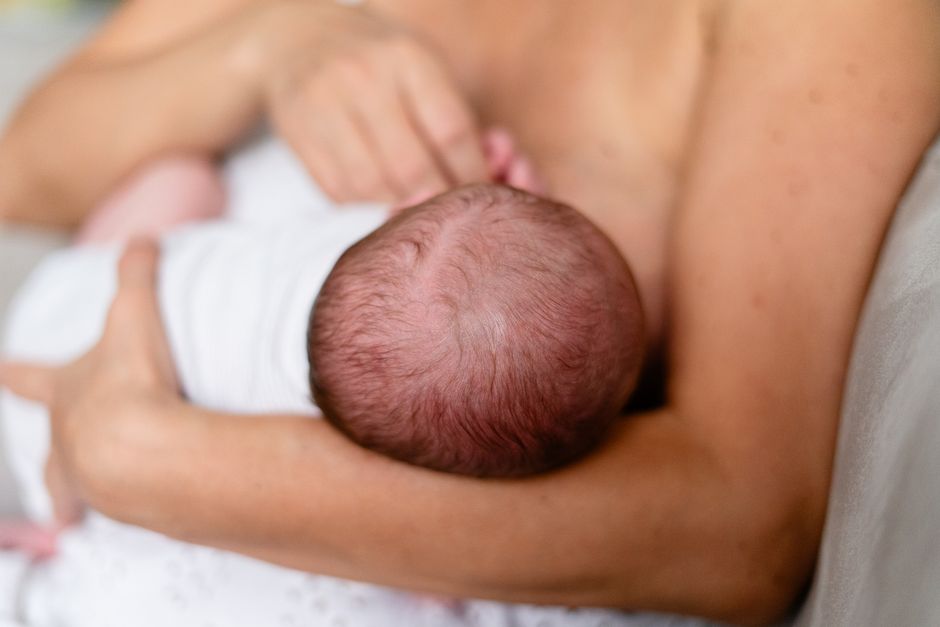
Yes, you can breastfeed with anemia, but treating it matters for both your health and your milk supply. Anemia can reduce your energy and may affect how much milk you produce. The good news is that most types of anemia in new mothers respond well to treatment, and breastfeeding can continue safely while you recover.
What Is Postpartum Anemia and Why Does It Happen?
Anemia means your blood does not carry enough oxygen to your tissues. This usually happens because you have too few red blood cells or not enough hemoglobin, the protein inside red blood cells that carries oxygen.
After childbirth, anemia is common. You lose blood during delivery, and your body needs time to rebuild its supply. Some women enter pregnancy already low on iron. Others develop anemia during pregnancy because the baby uses your iron stores for their own blood development.
Postpartum anemia is not a rare condition. Many new mothers experience it, especially after a difficult delivery or a C-section. The severity ranges from mild fatigue to more serious symptoms that interfere with daily life.
How Can Anemia Affect Breastfeeding?
Anemia affects breastfeeding in two main ways. First, it drains your energy. Making milk requires calories and nutrients, and your body prioritizes milk production. If you are anemic, you may feel exhausted more quickly, which makes caring for a newborn harder.
Second, severe anemia may reduce milk supply. The hormone prolactin drives milk production, and your body needs adequate blood flow to maintain it. When anemia is serious, some women notice a drop in milk output. Research suggests this is more likely with severe anemia rather than mild cases.
Your milk quality is less affected. Studies have found that breast milk composition remains largely stable even when the mother is anemic. Your baby will still receive the nutrients they need. The bigger concern is your own recovery and ability to care for your infant.
What Are the Symptoms of Anemia in a Breastfeeding Mother?
Recognizing anemia symptoms helps you seek treatment early. Common signs include:
- Unusual fatigue that does not improve with rest
- Pale skin, especially in the face, lips, and nail beds
- Shortness of breath with light activity
- Dizziness or lightheadedness
- Rapid heartbeat or palpitations
- Cold hands and feet
- Difficulty concentrating or brain fog
- Headaches
Some of these symptoms overlap with normal postpartum exhaustion. Every new parent is tired. But if you have several of these symptoms together, or if fatigue feels extreme, ask your doctor for a blood test.
A simple complete blood count can confirm whether you have anemia and how severe it is. Do not guess based on symptoms alone. Blood tests are the only reliable way to diagnose anemia.
Can You Breastfeed With Anemia Symptoms Treatment Options
Treatment depends on the type and severity of your anemia. Iron deficiency is the most common cause, but not the only one. Your doctor will determine the cause before recommending treatment.
Iron supplements are the standard treatment for iron deficiency anemia. Most doctors recommend oral iron tablets taken daily. The dose depends on your blood test results. Some women experience constipation or nausea with iron supplements, so your doctor may adjust the type or timing of the dose.
Taking iron with vitamin C improves absorption. Orange juice or a vitamin C supplement alongside your iron pill can help your body use more of it. Avoid taking iron with coffee, tea, or dairy, which can block absorption.
Dietary changes support recovery but rarely fix anemia alone. Iron-rich foods include red meat, poultry, fish, beans, lentils, spinach, and fortified cereals. Heme iron from animal sources absorbs better than non-heme iron from plants. Pair plant sources with vitamin C to improve uptake.
Severe anemia may require intravenous iron or, in rare cases, a blood transfusion. This is usually reserved for cases where oral supplements are not working, the anemia is severe, or symptoms are dangerous. These treatments are safe while breastfeeding.
Your milk supply may improve as your anemia resolves. Many mothers notice their energy returns within a few weeks of starting treatment, though full recovery can take several months.
Can Iron Supplements Affect Your Breastfed Baby?
Iron supplements are considered safe while breastfeeding. The amount of iron that passes into breast milk is small and tightly regulated by your body. Your baby will not receive a harmful dose from your supplement.
Your breast milk iron content does not directly reflect your supplement intake. The iron in your milk stays relatively constant regardless of how much you take. Your baby gets their iron from their own stores and later from solid foods, not primarily from your milk.
If your baby was born premature or had a low birth weight, their iron stores may be lower. Your pediatrician will check their iron status separately. Your own supplement does not replace your baby’s need for their own iron assessment.
When Should You See a Doctor for Anemia Symptoms?
Do not wait for severe symptoms before seeking help. Contact your doctor if you experience:
- Fainting or near-fainting episodes
- Chest pain or severe shortness of breath
- Heart palpitations that last more than a few seconds
- Extreme fatigue that prevents you from caring for your baby
- Pale or yellowish skin that appears suddenly
- Heavy bleeding that soaks through a pad in less than an hour
Heavy postpartum bleeding requires immediate medical attention. It can cause rapid blood loss and severe anemia. Do not wait to see if it improves on its own.
For milder symptoms, schedule an appointment within a week. A simple blood test gives you answers and lets treatment begin quickly.
Can You Prevent Anemia While Breastfeeding?
Prevention is easier than treatment. If you were anemic during pregnancy, continue monitoring after birth. Your doctor may recommend continuing your prenatal vitamin, which contains iron.
Eat regularly and prioritize protein and iron-rich foods. New mothers often skip meals while caring for a baby, which makes anemia worse. Simple meals with beans, eggs, meat, or fortified grains help maintain your iron levels.
Stay hydrated. Dehydration can make fatigue and dizziness worse, even if your iron levels are normal. Drink water throughout the day, especially while nursing.
Rest when you can. Your body needs sleep to produce red blood cells. This is hard with a newborn, but even short naps help. Accept help from family and friends so you can rest.
Does Anemia Affect Your Milk Supply Long Term?
Most women see their milk supply return to normal once anemia is treated. The effect on supply is usually temporary. Severe or untreated anemia may have a longer impact, which is another reason to seek treatment early.
If you notice a drop in milk supply, nurse more frequently to stimulate production. Emptying your breasts signals your body to make more milk. This works alongside anemia treatment to restore your supply.
Some mothers worry that low milk supply means they must stop breastfeeding. This is rarely necessary. Work with your doctor and a lactation consultant to address both the anemia and the supply concern together.
What If Your Anemia Does Not Improve With Treatment?
Most cases of postpartum anemia respond to iron supplements within several weeks. If your blood counts do not improve, your doctor may investigate other causes.
Other types of anemia include vitamin B12 deficiency, folate deficiency, and anemia from chronic disease or blood loss. Each requires different treatment. Do not assume more iron will fix a problem that is not caused by iron deficiency.
Your doctor may run additional tests to identify the cause. These may include vitamin level checks, iron studies, or other blood work. Follow-up testing is normal and helps ensure you receive the right treatment.
Frequently Asked Questions
Can I breastfeed while taking iron supplements?
Yes, iron supplements are safe while breastfeeding and do not harm your baby. The iron that passes into breast milk is minimal and tightly controlled by your body.
How long does it take to recover from postpartum anemia?
Most women feel better within a few weeks of starting treatment, but blood counts may take several months to fully normalize. Consistent supplement use and a balanced diet speed up recovery.
Will anemia permanently reduce my milk supply?
No, anemia-related milk supply issues are usually temporary. Once your anemia is treated and you nurse frequently, your supply typically returns to normal.
What foods help with anemia while breastfeeding?
Iron-rich foods like red meat, poultry, fish, beans, lentils, and fortified cereals help rebuild your iron stores. Pair plant-based iron sources with vitamin C to improve absorption.
