
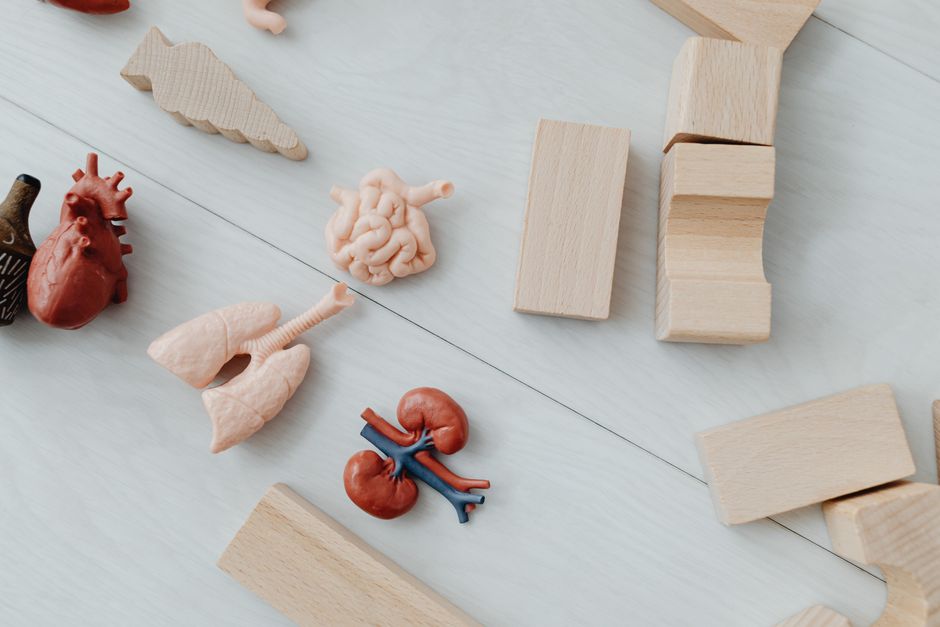
Viruses can harm the kidneys in two main ways: they can infect the kidney cells directly, or they can trigger an immune response that causes inflammation. This damage can range from mild and temporary to severe enough to require dialysis. The most common symptoms include blood in the urine, foamy urine, swelling in the legs or face, and reduced urine output, with treatment depending entirely on the specific virus and the severity of the injury.
How Do Viruses Cause Kidney Damage?
Viral kidney injury is not a single disease. It is a group of conditions with different causes. Understanding the mechanism matters because it guides treatment.
Direct infection is one pathway. Some viruses can enter kidney cells and replicate inside them. This kills the cells or disrupts their normal filtering work. The hepatitis B and C viruses can directly infect kidney tissue. The same is true for HIV and the cytomegalovirus (CMV), which is especially dangerous for people with weakened immune systems.
The immune response is the other major pathway. When the body fights a virus, it produces antibodies. Sometimes these antibodies form complexes with viral proteins. These complexes circulate in the blood and can get trapped in the kidney’s filtering units, called glomeruli. The immune system then attacks these trapped complexes, causing inflammation. This is an immune-mediated injury, not a direct infection.
This distinction is critical. A direct infection might be treated with antiviral drugs. An immune-mediated injury often requires anti-inflammatory medication instead. Using the wrong treatment can make things worse.
What Are the Symptoms of Viral Kidney Injury?
Symptoms vary. Some people have no symptoms at all. Others develop obvious signs of trouble. The kidneys filter waste and excess fluid. When they struggle, the body shows it.
Common signs include:
- Blood in the urine — may be visible or only found on a lab test
- Foamy or bubbly urine — this indicates protein leaking into the urine
- Swelling in the legs, ankles, feet, or around the eyes — fluid retention is a classic sign
- Reduced urine output — urinating much less than usual
- Fatigue and weakness — waste products build up in the blood
- Shortness of breath — fluid can build up in the lungs
- High blood pressure — damaged kidneys struggle to regulate blood pressure
These symptoms are not specific to viral injury. Diabetes, high blood pressure, and autoimmune diseases cause the same signs. A doctor must run blood and urine tests to identify the actual cause.
Some viral infections cause a specific pattern. For example, hepatitis B and C are linked to a condition called membranous nephropathy or membranoproliferative glomerulonephritis. These are types of kidney inflammation with distinct biopsy findings. The symptoms are the same as general kidney injury, but the treatment targets the underlying virus.
Which Viruses Are Most Likely to Affect the Kidneys?
Not all viruses target the kidneys equally. Some are well-documented causes of kidney disease. Others are rare but possible.
Hepatitis B and C are strongly linked to kidney disease. Both can cause glomerulonephritis, which is inflammation of the kidney’s filtering units. Hepatitis C is also associated with cryoglobulinemia, a condition where abnormal proteins clump in the blood and damage the kidneys.
HIV can cause HIV-associated nephropathy (HIVAN). This condition is more common in people of African descent and can progress rapidly to kidney failure if untreated. Antiretroviral therapy has dramatically reduced the rate of HIVAN.
CMV is a common virus that usually causes mild illness. In people with weakened immune systems — transplant recipients, people on chemotherapy, or those with advanced HIV — CMV can cause severe kidney infection.
Influenza can cause acute kidney injury, though it is less common. The injury usually results from severe dehydration, rhabdomyolysis, or a severe immune response rather than direct viral invasion of the kidney.
COVID-19 has been linked to acute kidney injury in hospitalized patients. The mechanism is complex. It involves direct viral entry, inflammation, blood clotting, and reduced oxygen supply to the kidneys. Studies show that a significant percentage of hospitalized COVID-19 patients develop some degree of kidney injury.
BK virus is a lesser-known virus that primarily affects kidney transplant recipients. It can cause nephropathy and lead to transplant failure if not detected early. It rarely causes problems in people with healthy immune systems.





How Is Viral Kidney Disease Diagnosed?
Diagnosis starts with basic lab tests. A urinalysis checks for blood, protein, and other abnormalities. A blood test measures creatinine and blood urea nitrogen (BUN). These are waste products that build up when the kidneys are not filtering properly.
If these tests show kidney damage, the next step is identifying the cause. A doctor will look for evidence of a viral infection. This may involve blood tests for viral antibodies or viral genetic material. In some cases, a kidney biopsy is needed. A biopsy involves taking a small sample of kidney tissue for examination under a microscope. It can show whether the damage is from direct viral infection or immune complexes.
Biopsy is not always necessary. If a patient has a known viral infection and develops kidney symptoms, the connection may be clear. But when the cause is uncertain, a biopsy provides the most definitive answer.
What Are the Treatment Options?
Treatment depends on the virus and the type of kidney injury. There is no one-size-fits-all approach.
For viral infections with antiviral medications, treating the virus is the priority. Hepatitis C can now be cured with direct-acting antiviral drugs. Studies show that curing hepatitis C often improves or stabilizes kidney function. Hepatitis B is managed with antiviral therapy that suppresses the virus. HIV is treated with antiretroviral therapy, which can reverse HIVAN in some cases.
For immune-mediated kidney injury, the approach is different. The immune system is attacking the kidneys. Anti-inflammatory medications may be needed. These can include corticosteroids or other immunosuppressants. The goal is to reduce the immune attack while the underlying viral infection is controlled.
This creates a clinical balancing act. Suppressing the immune system can make a viral infection worse. Doctors must weigh the risk of kidney damage against the risk of worsening the infection. This is why treatment is individualized and often managed by a nephrologist or infectious disease specialist.
Supportive care is also important. This includes blood pressure control, fluid management, and dietary changes. Some patients need medications called diuretics to remove excess fluid. Others need medications to control blood pressure. In severe cases, dialysis may be needed temporarily to replace kidney function while the kidneys recover.
Can Viral Kidney Damage Be Reversed?
Recovery depends on the severity of the damage and how quickly treatment starts. Some patients recover fully. Others develop chronic kidney disease that requires long-term management.
Acute kidney injury from a virus can be reversible. If the underlying infection is treated and the kidneys receive supportive care, function can return. Recovery can take weeks or months. Some patients need temporary dialysis while their kidneys heal.
Chronic damage is more concerning. If the kidney tissue has been scarred, the damage is permanent. The kidneys have a limited ability to regenerate. Once scarring occurs, kidney function may decline gradually over time. This is why early detection is so important.
The best outcomes occur when the viral infection is diagnosed and treated before significant kidney damage occurs. For people with chronic viral infections like hepatitis B or C, regular kidney function monitoring is essential.
How Can You Protect Your Kidneys From Viral Damage?
Prevention focuses on avoiding viral infections and managing existing ones. Vaccination is a critical tool. Vaccines are available for hepatitis B and influenza. These vaccines reduce the risk of infection and, consequently, the risk of kidney complications.
There is no vaccine for hepatitis C or HIV. Prevention relies on avoiding exposure. This means practicing safe sex, not sharing needles, and following standard precautions in healthcare settings.
For people with chronic viral infections, regular monitoring is essential. Blood tests for kidney function should be part of routine care. Early detection of kidney damage allows for earlier intervention.
Staying hydrated during viral illnesses is important. Severe dehydration can stress the kidneys. But do not overdo it. Excessive fluid intake does not prevent kidney damage and can be harmful in people with already damaged kidneys.
Be cautious with over-the-counter medications. Nonsteroidal anti-inflammatory drugs (NSAIDs) like ibuprofen and naproxen can be hard on the kidneys. During a viral illness, the combination of dehydration and NSAID use increases the risk of acute kidney injury. Acetaminophen is generally safer for the kidneys when used at recommended doses.
Frequently Asked Questions
Can a common cold virus damage your kidneys?
Rhinoviruses, the most common cause of colds, rarely cause kidney damage. Severe dehydration from any illness can stress the kidneys, but direct viral injury from a cold virus is extremely uncommon.
How long does it take for kidneys to recover after a viral infection?
Recovery time varies widely, ranging from a few weeks to several months. Mild acute kidney injury often resolves within weeks, while more severe injury may require months of monitoring and supportive care.
Is kidney damage from a virus permanent?
Not always. Acute viral kidney injury can be fully reversible if treated early. However, if scarring develops, the damage can be permanent and may progress to chronic kidney disease.
What blood test checks for viral kidney damage?
Doctors check serum creatinine and estimated glomerular filtration rate (eGFR) to assess kidney function. A urinalysis checks for blood and protein. Additional blood tests can identify specific viral infections.
