
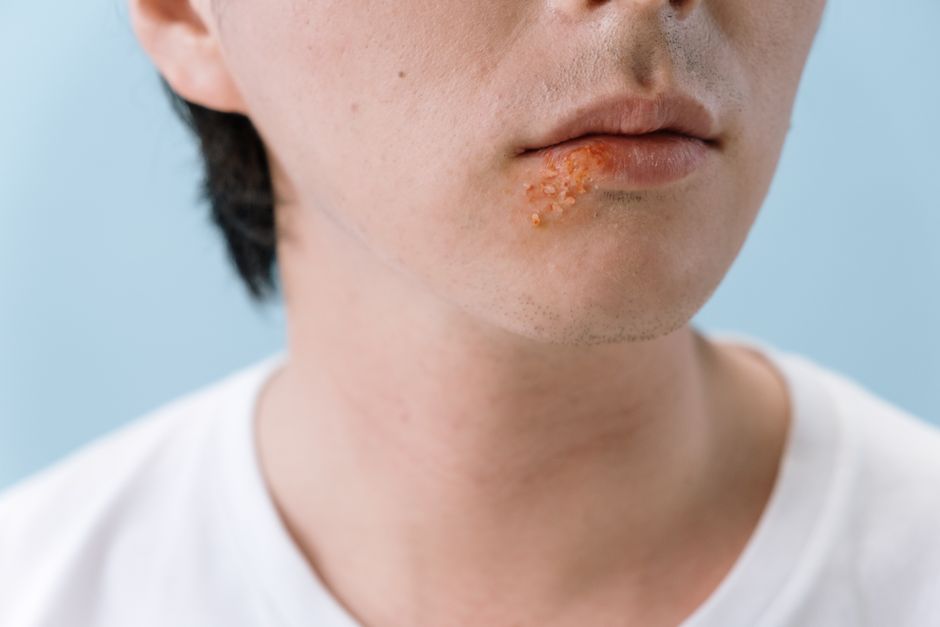
Herpes simplex 1 (HSV-1) is a common viral infection that most often causes cold sores around the mouth and lips. It spreads through direct contact with infected skin or saliva, even when no sores are visible. Most people carry the virus without symptoms, but when outbreaks occur, they typically involve tingling, itching, and small fluid-filled blisters that crust over within days. While there is no cure, antiviral medications can shorten outbreaks and reduce their frequency.
What Is Herpes Simplex 1 Symptoms Spread Treatment?
HSV-1 is one of two herpes simplex virus types. The other, HSV-2, is primarily associated with genital herpes, though HSV-1 can also cause genital infections through oral-genital contact. The World Health Organization estimates that two-thirds of the global population under age 50 carries HSV-1. Most of these people never know they have it.
The virus enters the body through small breaks in the skin or through mucous membranes. Once inside, it travels to nerve cells near the spine, where it remains for life in a dormant state. Periodic reactivation causes the familiar cold sore outbreak.
What Are the First Signs of an HSV-1 Outbreak?
Many people experience a prodrome — a warning phase that precedes visible sores. This typically involves tingling, burning, or itching at the site where the sore will appear. This phase can begin 24 to 48 hours before any blister forms.
Once the prodrome passes, small red bumps appear. These quickly develop into fluid-filled blisters that may cluster together. Within a few days, the blisters rupture, weep clear fluid, and then form a yellowish crust. The crust eventually falls off, leaving healthy skin underneath. The entire process usually takes 7 to 10 days from first symptom to complete healing.
First-time infections are often more severe than recurrent outbreaks. Primary infection can include fever, swollen lymph nodes, muscle aches, and multiple sores inside the mouth. This is called herpetic gingivostomatitis and is most common in children, though adults can experience it too.
How Does HSV-1 Spread From Person to Person?
HSV-1 spreads through direct contact with infected fluids or skin. Kissing is the most common route of transmission. Sharing utensils, lip balm, razors, towels, or drinking glasses can also spread the virus. The virus does not survive long on surfaces outside the body, so indirect transmission through objects is less common than direct person-to-person contact.
Active sores are highly contagious. The virus can also shed from skin with no visible lesions, a process called asymptomatic shedding. This means a person can transmit HSV-1 even when they have no cold sore and feel perfectly healthy. Asymptomatic shedding is most frequent during the first year after infection and decreases over time.
The highest risk of transmission occurs during active outbreaks, but the virus can spread at any time. Avoiding contact with visible sores reduces risk but does not eliminate it entirely.




Where Can HSV-1 Appear on the Body?
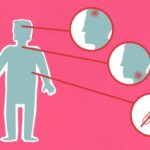
Cold sores most commonly appear on the lips and around the mouth. The virus can also affect other areas, depending on where the initial infection entered the body.
HSV-1 can cause:
- Ocular herpes — infection of the eye, which can threaten vision if it reaches the cornea
- Herpetic whitlow — painful blisters on the fingers, often seen in healthcare workers or children who suck their thumbs
- Genital herpes — sores on the genitals or buttocks from oral-genital contact
- Herpes gladiatorum — skin infections on the torso or face, seen in contact sports like wrestling
Each of these presentations requires the same antiviral treatment, though eye involvement needs urgent evaluation by an ophthalmologist.
How Is HSV-1 Diagnosed?
Doctors often diagnose HSV-1 by visual examination alone. The appearance of clustered blisters on the lip is distinctive enough for a clinical diagnosis in most cases.
When the diagnosis is uncertain, or when the infection appears in unusual locations, laboratory testing can confirm it. Options include:
- Viral culture — a swab of an open sore is placed in a culture medium to grow the virus
- Polymerase chain reaction (PCR) — detects viral DNA from a swab; this is the most sensitive test
- Blood test — detects antibodies against HSV-1, indicating past infection but not the location or timing of the infection
Blood tests cannot distinguish between oral and genital HSV-1 infection. They also cannot tell whether the infection is recent or old. For these reasons, blood testing is not routinely recommended for people without symptoms.
What Treatments Are Available for HSV-1?
There is no cure for HSV-1. The virus remains in nerve cells for life. Treatment focuses on reducing symptom severity, shortening outbreak duration, and lowering the frequency of recurrences.
Antiviral medications are the mainstay of treatment. Three drugs are commonly used:
- Acyclovir — available as an oral tablet, topical cream, or intravenous formulation for severe cases
- Valacyclovir — an oral prodrug that converts to acyclovir in the body; taken less frequently than acyclovir
- Famciclovir — another oral antiviral with a similar mechanism
For occasional outbreaks, episodic therapy is used. The medication is started at the first sign of tingling or itching and taken for a short course, usually 1 to 5 days depending on the drug. Starting early can shorten the outbreak by 1 to 2 days and reduce symptom severity.
For people with frequent outbreaks — typically six or more per year — suppressive therapy may be recommended. This involves taking a daily antiviral dose continuously to reduce outbreak frequency. Studies show suppressive therapy can reduce outbreaks by 70 to 80 percent in people with frequent recurrences.
Over-the-counter topical creams containing docosanol can also be applied at the first sign of an outbreak. These products shorten healing time modestly but are less effective than oral antivirals.
What Home Remedies Actually Work for Cold Sores?
Several home approaches can ease discomfort during an outbreak, though none cure the infection or eliminate the virus.
Applying a cold compress to the affected area can reduce pain and swelling. Keeping the area clean and dry helps prevent secondary bacterial infection. Petroleum jelly or lip balm can prevent cracking and bleeding as the sore crusts over.
Lysine supplements are widely promoted for cold sore prevention and treatment. Some small studies suggest lysine may reduce outbreak frequency, but the evidence is not strong enough for a firm clinical recommendation. No large, well-controlled trials have confirmed a consistent benefit.
Lemon balm cream, available in some health food stores, has shown modest antiviral activity in small studies. Again, the evidence base is limited, and it should not replace standard antiviral treatment for people with frequent or severe outbreaks.
What Triggers Recurrent HSV-1 Outbreaks?
Once infected, the virus can reactivate periodically. Common triggers include:
- Stress, both physical and emotional
- Illness or fever
- Fatigue and poor sleep
- Exposure to intense sunlight or ultraviolet light
- Hormonal changes, including menstruation
- Skin trauma, such as dental work or facial injury
- Immunosuppression from medications or medical conditions
Not everyone with HSV-1 experiences recurrences. Some people have one outbreak and never have another. Others have multiple outbreaks per year. The frequency tends to decrease over time as the immune system develops a stronger response to the virus.
Identifying personal triggers can help some people reduce outbreak frequency. Sunscreen on the lips and face, stress management, and adequate sleep are reasonable preventive measures supported by clinical experience.
When Is HSV-1 Dangerous?
For most healthy adults, HSV-1 is an uncomfortable but manageable condition. Certain situations require more urgent attention.
People with weakened immune systems — including those undergoing chemotherapy, organ transplant recipients, or people with advanced HIV — can develop severe, prolonged outbreaks. In these populations, the virus can spread to internal organs, which is a serious complication.
Neonatal herpes is the most dangerous form of HSV infection. Newborns infected during birth can develop severe disease affecting the brain, liver, and lungs. This is more commonly associated with HSV-2 but can occur with HSV-1. Pregnant women with active genital herpes lesions near delivery may be offered a cesarean section to reduce transmission risk.
Herpes encephalitis, an infection of the brain, is a rare but life-threatening complication of HSV-1. It requires immediate intravenous antiviral treatment. Symptoms include fever, headache, confusion, and seizures.
Eye infections require prompt ophthalmologic evaluation. Untreated herpes keratitis can cause corneal scarring and permanent vision loss.
Can HSV-1 Be Prevented?
No vaccine exists for HSV-1. Prevention relies on avoiding exposure to the virus.
Avoid kissing or sharing utensils, cups, lip balm, and towels with anyone who has an active cold sore. People with cold sores should avoid touching their sores and wash their hands frequently. Condoms and dental dams reduce but do not eliminate the risk of genital HSV-1 transmission.
People with frequent recurrences who take daily suppressive antiviral therapy also reduce the risk of transmitting the virus to partners. Suppressive therapy reduces asymptomatic shedding, though it does not eliminate it completely.
Disclosing HSV-1 status to sexual partners is a personal decision. Because the virus is so widespread and often asymptomatic, many people do not know they carry it. Open communication allows partners to make informed decisions about risk.
Frequently Asked Questions
Can you get herpes simplex 1 from a toilet seat?
No. HSV-1 does not survive long on inanimate surfaces and requires direct skin-to-skin contact or contact with infected saliva to spread.
How long is a cold sore contagious?
A cold sore is contagious from the first tingling sensation until the crust completely falls off, which is typically 7 to 10 days.
Can herpes simplex 1 be cured permanently?
No cure exists. The virus stays in nerve cells for life, but antiviral medications can manage outbreaks and reduce their frequency.
Is herpes simplex 1 the same as genital herpes?
HSV-1 usually causes oral cold sores, but it can cause genital herpes through oral-genital contact. HSV-2 is the more common cause of genital herpes.
