
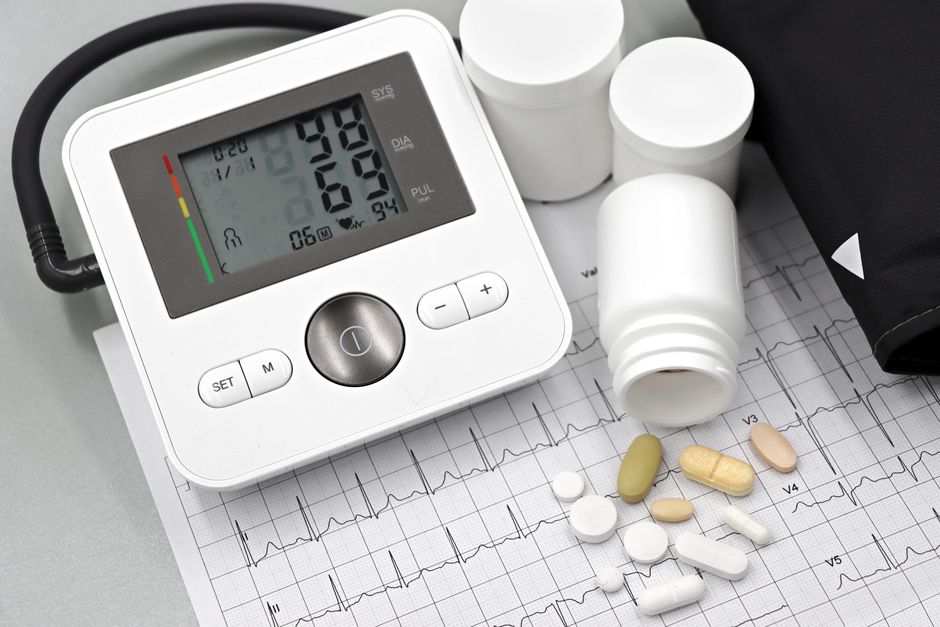
Unstable angina is a medical emergency where chest pain happens unexpectedly, often while resting, and signals that a heart attack may be coming soon. It is not the same as typical chest pain from exercise that goes away with rest. This condition requires immediate medical attention because it means a plaque in a coronary artery has ruptured or is partially blocking blood flow to the heart muscle.
What Is Unstable Angina Exactly?
Unstable angina is a type of acute coronary syndrome. That is a group of conditions caused by reduced blood flow to the heart. The key difference from stable angina is the pattern. Stable angina happens during physical exertion and stops with rest or medication. Unstable angina does not follow that pattern.
It can occur while you are sitting still. It may last longer than 20 minutes. It might wake you from sleep. The pain can get worse over time. The American Heart Association classifies unstable angina as a serious condition that needs emergency care because it can lead to a heart attack within hours or days.
The underlying cause is usually atherosclerosis. A fatty plaque inside an artery becomes inflamed and cracks open. The body responds by forming a blood clot at that site. That clot narrows or blocks the artery enough to reduce oxygen to the heart muscle but not enough to cause permanent damage yet. That is what separates unstable angina from a heart attack.
What Are the Symptoms of Unstable Angina?
The most common symptom is chest pain or discomfort. People describe it as pressure, squeezing, fullness, or a heavy weight on the chest. The pain may radiate to the left arm, neck, jaw, shoulder, or back. Some people feel it only in those areas without any chest pain at all.
Shortness of breath is another major symptom. It can occur with or without chest pain. Nausea, indigestion, sweating, lightheadedness, and sudden fatigue are also reported. Women more often than men experience symptoms like nausea, vomiting, and pain in the jaw or back without classic chest pain.
The critical difference from stable angina is timing. Symptoms of unstable angina happen at rest. They last more than 20 minutes. They do not respond to nitroglycerin or rest the way stable angina does. If a person has had stable angina before and the pattern changes — more frequent, more severe, or happening with less activity — that is also unstable angina.
Some people report a sense of impending doom. That is not a clinical symptom but many patients describe feeling that something is very wrong before they seek help. Trust that feeling. It is better to go to the emergency room for what turns out to be indigestion than to wait through a heart attack at home.
How Is Unstable Angina Diagnosed?
When you arrive at the emergency room with suspected unstable angina, doctors act fast. They will order an electrocardiogram (ECG or EKG) immediately. This test records the electrical activity of the heart. It can show changes that suggest reduced blood flow. However, a normal ECG does not rule out unstable angina.
Blood tests are the next step. Doctors check for cardiac troponin levels. Troponin is a protein released into the blood when heart muscle cells die. In a heart attack, troponin levels rise. In unstable angina, they stay normal. That is the main lab difference between the two conditions. If troponin is elevated, the diagnosis changes from unstable angina to a heart attack.
Other tests may follow. A stress test can show how the heart performs under exertion. A coronary angiogram is the most definitive test. A thin tube is threaded through a blood vessel to the heart, and dye is injected to see blockages in the arteries. Research published in the Journal of the American College of Cardiology found that about 15 to 20 percent of patients with suspected unstable angina have no significant blockages on angiogram. That condition is called ischemia with no obstructive coronary arteries (INOCA) and requires different treatment.
| Test | What It Looks For | Key Finding in Unstable Angina |
|---|---|---|
| ECG | Electrical activity of the heart | ST-segment depression or T-wave inversion |
| Blood troponin | Heart muscle cell damage | Normal levels (elevated levels indicate heart attack) |
| Coronary angiogram | Blockages in arteries | Partial or severe narrowing in one or more arteries |
| Stress test | Heart function under exertion | Reduced blood flow to areas of the heart |





What Are the Treatment Options for Unstable Angina?
Treatment starts immediately in the emergency room. You will likely receive oxygen, aspirin to prevent further clotting, nitroglycerin to widen blood vessels, and pain medication. These are stabilizing measures. The goal is to prevent progression to a heart attack.
Long-term treatment involves two main approaches: medications and procedures. Medications include antiplatelet drugs like clopidogrel or ticagrelor to prevent clots. Beta-blockers reduce the heart’s workload. Statins lower cholesterol and stabilize plaques. ACE inhibitors help relax blood vessels. The specific combination depends on your individual health profile and the results of your tests.
Procedures may be needed if medications are not enough. Angioplasty with stenting is the most common. A balloon opens the narrowed artery and a mesh tube stays in place to keep it open. Coronary artery bypass grafting (CABG) is surgery that uses a blood vessel from another part of the body to create a detour around the blockage. CABG is typically reserved for people with multiple blockages or blockages in certain locations.
Lifestyle changes are not optional after unstable angina. They are as important as medications. Smoking cessation, a heart-healthy diet, regular exercise, weight management, and stress reduction all reduce the risk of future events. Cardiac rehabilitation programs provide supervised exercise and education. The CDC reports that participation in cardiac rehab reduces the risk of death after a cardiac event by about 25 percent.
How Does Unstable Angina Differ From Stable Angina and a Heart Attack?
These three conditions exist on a spectrum of coronary artery disease. Stable angina is predictable. It occurs with exertion and resolves with rest or nitroglycerin. The artery has a fixed narrowing that limits blood flow only when the heart works harder. The plaque is stable and not actively rupturing.
Unstable angina is the middle ground. The plaque has ruptured but the clot has not completely blocked the artery. Some blood still gets through. The heart muscle is not dying yet but it is in danger. That is why unstable angina is a warning sign. It gives you a window to get treatment before permanent damage happens.
A heart attack happens when the clot completely blocks the artery for long enough that heart muscle cells begin to die. That is when troponin levels rise. The symptoms may feel similar to unstable angina, but the damage is already happening. The treatment window is still open but it is narrower. Time is muscle in cardiology. Every minute of delay increases the amount of heart muscle that dies.
One non-obvious point: some people with unstable angina on an angiogram actually have multiple small blockages rather than one large one. This is called diffuse disease. It is harder to treat with stents and often requires more aggressive medical therapy and lifestyle changes. Many patients find this frustrating because they expect a single fixable problem. Understanding this before the procedure helps set realistic expectations.
Common Misconceptions About Unstable Angina
A common myth is that unstable angina is just bad heartburn. While both can cause chest discomfort, heartburn usually responds to antacids and is not associated with shortness of breath, sweating, or radiation to the arm. If you are unsure, treat it as a cardiac emergency until proven otherwise. Do not try to diagnose yourself at home.
Another misconception is that unstable angina only affects older men. Women do get unstable angina, and their symptoms are often different. They may experience fatigue, nausea, and jaw pain rather than classic chest pressure. Research from the National Institutes of Health shows that women are more likely to delay seeking care because they do not recognize their symptoms as heart-related. That delay increases the risk of worse outcomes.
Some people believe that if they have had normal stress tests in the past, they cannot have unstable angina. That is false. Plaques can rupture in arteries that were not significantly narrowed on previous tests. A normal stress test does not guarantee that a small, vulnerable plaque is not present. Unstable angina is about plaque instability, not just plaque size.
There is also a belief that once you are treated for unstable angina, you are cured. Treatment manages the condition but does not cure the underlying atherosclerosis. The disease process continues. Medications and lifestyle changes reduce risk but do not eliminate it. About one in five patients with unstable angina will have another cardiac event within one year without aggressive secondary prevention.
Frequently Asked Questions
Can unstable angina go away on its own?
Symptoms may stop temporarily but the underlying condition does not resolve without treatment. Medical evaluation is always needed.
How long can you have unstable angina before a heart attack?
It can range from hours to weeks. Some people experience symptoms for days before a heart attack occurs while others progress rapidly.
Is unstable angina the same as a mini heart attack?
No. A mini heart attack, or NSTEMI, involves some heart muscle damage and elevated troponin. Unstable angina has no detectable heart muscle damage.
What should I do if I think I have unstable angina?
Call 911 immediately. Do not drive yourself to the hospital. Chew one adult aspirin while waiting for emergency services unless you are allergic.
