
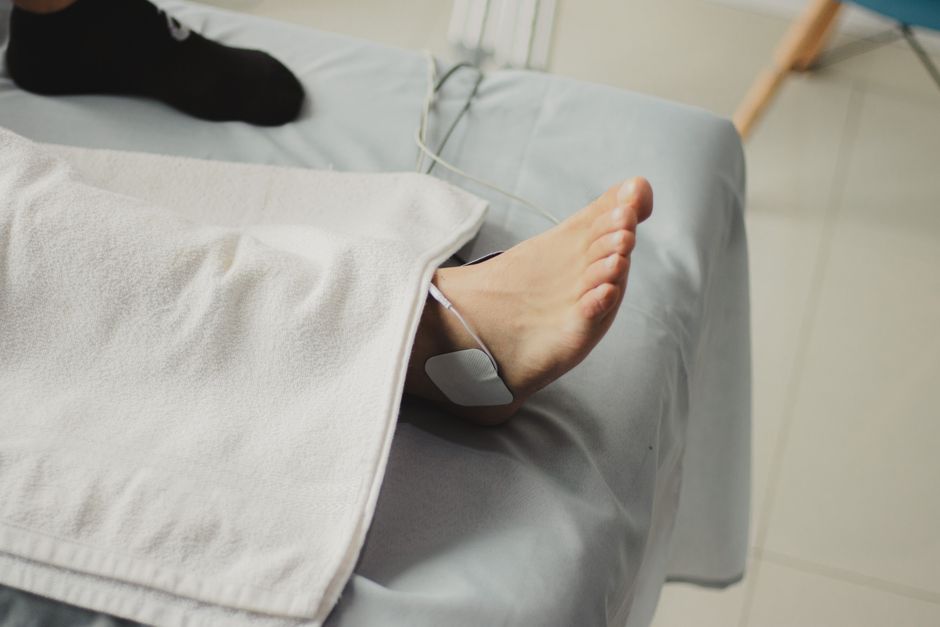
Shin splints are a common overuse injury that causes pain along the shin bone, the tibia. The pain usually starts during or right after running, walking, or any high-impact activity. For most people, the main symptom is a dull ache or sharp pain on the inside of the lower leg. Treatment focuses on rest, ice, and correcting the activity that caused the problem. Without proper care, shin splints can turn into a stress fracture, which takes much longer to heal.
What Exactly Are Shin Splints and What Causes Them?
Shin splints, medically called medial tibial stress syndrome, is not one single injury. It is an umbrella term for pain along the tibia caused by inflammation of the muscles, tendons, and bone tissue. The pain usually appears on the inner edge of the shin, about halfway down the leg.
The cause is almost always repetitive stress. When you run or jump, your leg muscles pull on the tibia where they attach. If you do too much too soon, that pulling irritates the bone lining and the surrounding tissue. The American Academy of Orthopaedic Surgeons identifies the most common triggers as sudden increases in training intensity, running on hard surfaces, and wearing worn-out shoes.
Some people are more prone to shin splints than others. Flat feet or high arches change how your foot absorbs shock. Weak hip or core muscles can alter your running form, putting extra load on your shins. A study in the Journal of Orthopaedic & Sports Physical Therapy found that runners with a history of shin splints had significantly less ankle range of motion than those who never had them.
What Are the Symptoms of Shin Splints?
The hallmark symptom is pain along the inner shin. It starts as a dull ache during exercise that fades when you stop. Over time, the pain comes on earlier in your workout and lasts longer afterward. In advanced cases, the shin may hurt even when you are sitting still.
Other symptoms include tenderness when you press on the shin bone, mild swelling in the lower leg, and sometimes a feeling of tightness in the calf muscles. The pain is usually on both legs, though one side may be worse. If the pain is sharp, located on a single spot, and hurts at night, it may be a stress fracture, not shin splints.
One key difference between shin splints and other leg injuries is where the pain sits. Shin splint pain runs along the inner shin for several inches. A stress fracture hurts in one specific point. A muscle strain hurts higher up in the calf or lower down near the ankle.
What Happens When You Get Shin Splints Symptoms Treatment: What Actually Works?
The first step in treatment is to stop the activity that caused the pain. This does not mean complete rest forever. It means reducing your impact load for one to three weeks. The American College of Sports Medicine recommends switching to low-impact exercise like swimming or cycling during this time.
Ice helps reduce inflammation. Apply an ice pack to the painful area for 15 to 20 minutes every two to three hours for the first few days. Do not put ice directly on your skin. Wrap it in a thin cloth first.
Pain relievers like ibuprofen can help with discomfort, but they do not heal the injury. Use them sparingly. Relying on painkillers to push through a workout is a bad idea. It masks the pain and can lead to a worse injury.
Stretching and strengthening exercises are critical for recovery. Tight calf muscles pull harder on the shin bone. Gentle calf stretches, toe raises, and ankle mobility work help reduce that pull. Research in the British Journal of Sports Medicine found that a six-week program of hip and core strengthening reduced shin splint recurrence by 50 percent.





What Makes Shin Splints Worse and What to Avoid
Many people try to run through shin splint pain. That is the single worst thing you can do. Continuing high-impact activity keeps inflaming the bone lining and can turn a two-week recovery into a two-month recovery.
Another common mistake is stretching the shin aggressively. Some online advice tells people to stretch the front of the shin by pointing the toe and pulling it back. This can actually irritate the tissue more. Gentle calf stretches are safer and more effective.
Wearing improper footwear is another problem. Old running shoes lose their shock absorption. A study in the Scandinavian Journal of Medicine & Science in Sports showed that runners who replaced their shoes every 300 to 500 miles had fewer overuse injuries, including shin splints.
| What Helps Shin Splints | What Hurts Shin Splints |
|---|---|
| Rest from high-impact activity for 1-3 weeks | Running or jumping through the pain |
| Ice for 15-20 minutes several times daily | Applying heat to the shin during the acute phase |
| Low-impact cross-training (swimming, cycling) | Returning to full activity too quickly |
| Properly fitted running shoes with good cushioning | Worn-out shoes with collapsed support |
| Hip and core strengthening exercises | Aggressive stretching of the shin muscles |
When Should You See a Doctor for Shin Splints?
Most shin splints get better with home care. But some cases need medical attention. See a doctor if the pain does not improve after two weeks of rest. Also see one if the pain is severe enough to make you limp, if there is significant swelling, or if the shin feels hot to the touch.
A doctor can tell the difference between shin splints and a stress fracture. Stress fractures show up on X-rays or bone scans. They require complete rest from impact for six to eight weeks. Mistaking a stress fracture for shin splints and continuing to run can lead to a complete bone break.
Physical therapy is often the most effective treatment for stubborn shin splints. A physical therapist can analyze your gait, identify muscle imbalances, and prescribe exercises that address the root cause. The American Physical Therapy Association notes that gait retraining alone has been shown to reduce shin splint pain in 86 percent of runners within three months.
How Long Does It Take for Shin Splints to Heal?
Healing time depends on how bad the injury is and how quickly you change your activity. Mild shin splints usually improve within one to two weeks of rest and ice. More severe cases can take four to six weeks. If you have had shin splints for months, you may need several months of physical therapy.
The key to healing is not just resting. It is fixing what caused the problem. If you go back to the same running routine in the same shoes on the same hard pavement, the pain will return. Most people need to gradually rebuild their mileage, often starting at half their previous distance and increasing by no more than 10 percent per week.
A 2018 review in Sports Medicine found that the strongest predictor of recovery was how soon the person made changes. People who modified their training within the first week of pain healed faster than those who waited two weeks or more. Do not ignore early warning signs.
Can Shin Splints Be Prevented?
Yes, for most people. Prevention comes down to three things: gradual training, proper equipment, and strength work. Sudden jumps in mileage or intensity are the number one cause. The 10 percent rule — never increase your weekly mileage by more than 10 percent — is backed by the American Council on Exercise as a solid guideline.
Good shoes matter. Get fitted at a running store where they watch you walk. Replace shoes every 300 to 500 miles. If you run on concrete, try to mix in softer surfaces like grass or a track. A study from the University of North Carolina found that runners who ran on asphalt had 30 percent more shin splints than those who ran on trails.
Strength training is underrated. Strong calves, hips, and core absorb shock better. Simple exercises like heel raises, single-leg stands, and planks can make a real difference. The American Academy of Podiatric Sports Medicine recommends adding two days of lower-leg strengthening per week for anyone who runs more than 15 miles per week.
- Increase running distance by no more than 10 percent weekly
- Replace running shoes every 300-500 miles
- Run on softer surfaces when possible
- Strengthen calves, hips, and core twice per week
- Take rest days seriously — your body repairs during rest, not during runs
Frequently Asked Questions
Can I run with shin splints if the pain is mild?
No. Running with any shin splint pain keeps damaging the tissue and makes recovery longer. Switch to low-impact exercise until the pain is completely gone.
How do I know if it is shin splints or a stress fracture?
Shin splint pain spreads along the inner shin. Stress fracture pain is sharp and located on one specific spot. If pressing one finger on the bone causes intense pain, see a doctor for an X-ray.
Should I wrap my shins with an elastic bandage?
Compression wraps can help with swelling but do not fix the underlying problem. They are fine for temporary relief but should not replace rest and strengthening exercises.
How soon can I return to running after shin splints?
Wait until you can walk without pain for several days. Then start running at half your normal distance on soft ground. Increase slowly. If pain returns, rest another week and try again.
