
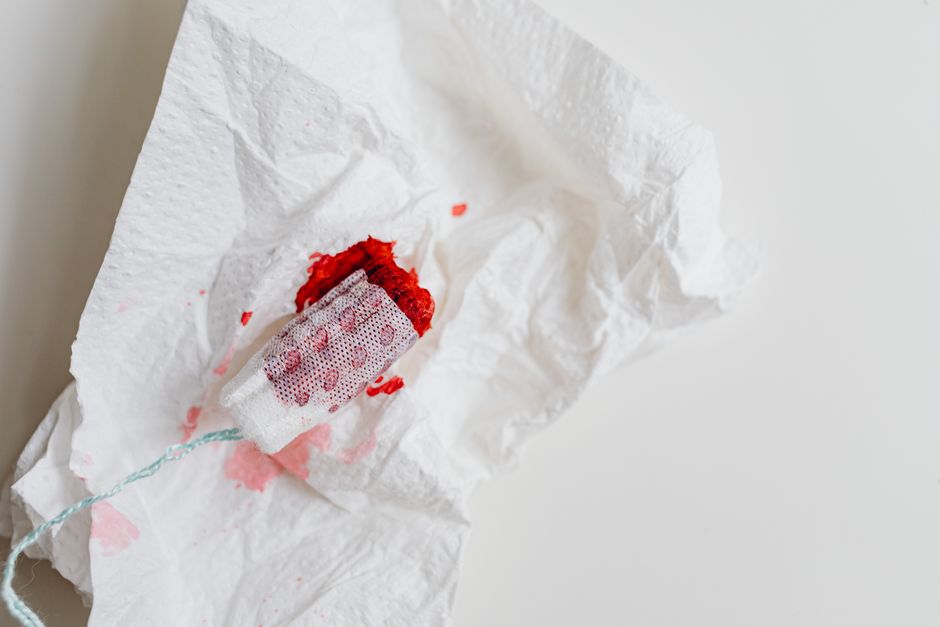
Yes, uterine polyps can bleed. In fact, abnormal bleeding is the most common symptom. Uterine polyps, also called endometrial polyps, are growths attached to the inner wall of the uterus. Most are benign, meaning not cancerous. But they can cause unpredictable bleeding that disrupts daily life. This article explains what causes these polyps, what symptoms to watch for, and what treatment options actually have evidence behind them.
What Exactly Are Uterine Polyps?
Uterine polyps are overgrowths of the endometrial tissue that lines the uterus. They range in size from tiny, seed-like growths to larger ones that can fill the uterine cavity. Some have a thin stalk, while others have a broad base.
Most polyps are benign. Research published in the journal Obstetrics and Gynecology found that less than 5% of uterine polyps contain cancerous cells. The risk increases slightly after menopause. Polyps are most common in women in their 40s and 50s, though they can appear at any age.
Polyps are not the same as uterine fibroids. Fibroids are muscle growths, while polyps are tissue growths from the lining. They behave differently and require different treatment approaches.
Do Uterine Polyps Bleed? What Does the Bleeding Look Like?
Yes, bleeding is the hallmark symptom. The bleeding from uterine polyps is not like a normal period. It is often unpredictable and erratic. Some women experience spotting between periods. Others have heavy periods that last longer than usual.
The bleeding can also happen after menopause. Any postmenopausal bleeding should always be evaluated by a doctor. According to the American College of Obstetricians and Gynecologists, postmenopausal bleeding is the most common symptom that leads to a polyp diagnosis.
Some women with polyps have no bleeding at all. They may only discover the polyp during an ultrasound for another reason. But when bleeding does occur, it tends to follow a pattern. The most common patterns include:
- Spotting between menstrual periods
- Heavy menstrual bleeding that soaks through pads or tampons quickly
- Bleeding after sexual intercourse
- Bleeding after menopause
- Irregular cycles with unpredictable bleeding days
The bleeding happens because polyps have fragile blood vessels. When the polyp rubs against the uterine wall or gets twisted on its stalk, these vessels can break open and bleed.
What Causes Uterine Polyps to Form?
The exact cause is not fully understood. But research points strongly to hormone levels. Polyps are sensitive to estrogen. When estrogen levels are high, the endometrial lining grows thicker. In some women, this growth becomes localized and forms a polyp.
Several factors increase your risk. Age is the biggest one. Women over 40 have the highest rates of polyps. Obesity also raises risk because fat tissue produces extra estrogen. High blood pressure and tamoxifen use, a breast cancer medication, are also linked to polyp growth.
Some studies suggest that chronic inflammation of the uterine lining may play a role. But this is less well established than the hormone connection. As of 2026, there is no single known cause. It is likely a combination of hormone sensitivity, genetic factors, and local tissue changes.




How Are Uterine Polyps Diagnosed?
Doctors use several methods to find polyps. A transvaginal ultrasound is often the first step. This test uses sound waves to create images of the uterus. A saline infusion sonogram, where salt water is injected into the uterus before the ultrasound, makes polyps easier to see.
Hysteroscopy is the most accurate method. A thin camera is inserted through the cervix into the uterus. This allows the doctor to see the polyp directly. Hysteroscopy also allows for immediate removal if needed.
Biopsy is sometimes done to check if the polyp is cancerous. But a biopsy alone can miss polyps. The tissue sample may come from normal lining next to the polyp. Hysteroscopy with removal of the entire polyp gives the most reliable diagnosis.
| Diagnostic Method | What It Does | Accuracy |
|---|---|---|
| Transvaginal ultrasound | Uses sound waves to see the uterus | Moderate – can miss small polyps |
| Saline infusion sonogram | Ultrasound with salt water in uterus | Higher – fluid helps outline polyps |
| Hysteroscopy | Camera inserted into uterus | Highest – direct visualization |
| Biopsy | Tissue sample taken from lining | Low – can miss polyps entirely |
What Treatment Options Have Strong Evidence?
Treatment depends on symptoms, polyp size, and whether you want to get pregnant in the future. For women with no symptoms, doctors may recommend watchful waiting. Small polyps sometimes shrink or go away on their own. But this is not predictable.
For women with bleeding, surgical removal is the most common treatment. Hysteroscopic polypectomy is the standard procedure. The doctor removes the polyp using a small instrument passed through the hysteroscope. It is usually done as an outpatient procedure with local or general anesthesia.
Recovery is typically quick. Most women return to normal activities within a day or two. Some spotting after the procedure is normal. Heavy bleeding after removal is not normal and should be reported to your doctor.
Hormonal treatments like progestins or birth control pills can sometimes reduce bleeding. But they do not make polyps go away. They only manage symptoms temporarily. Once you stop the medication, symptoms often return.
For women who are done having children and have severe symptoms, a hysterectomy is an option. This removes the entire uterus and cures the polyp problem permanently. But it is major surgery with a longer recovery. Most women with polyps do not need this level of treatment.
What Happens If Polyps Are Left Untreated?
Most polyps do not become dangerous. But they can cause ongoing bleeding that leads to anemia. Heavy blood loss over time drops iron levels. This can cause fatigue, weakness, and shortness of breath. Research in the Journal of Women’s Health found that women with untreated polyps have higher rates of iron deficiency anemia.
There is also a small risk of cancer. As mentioned earlier, less than 5% of polyps contain cancer cells. The risk is higher in postmenopausal women and those with large polyps. But even with these risk factors, most polyps remain benign.
Polyps can also interfere with fertility. They may prevent a fertilized egg from implanting in the uterine lining. Some studies suggest that removing polyps improves pregnancy rates in women undergoing fertility treatment. The evidence is less clear for women trying to conceive naturally.
Common Misconceptions About Uterine Polyps
One widespread myth is that polyps always cause pain. In reality, most polyps are painless. The bleeding is the main symptom. Some women feel mild cramping, but severe pain is not typical. If you have severe pelvic pain, other conditions like fibroids or endometriosis are more likely.
Another misconception is that polyps always come back after removal. Recurrence is possible but not guaranteed. Studies show that about 10-15% of polyps return within a few years. The risk is higher in women who still have their uterus and are still producing estrogen.
Some people believe that natural supplements can shrink polyps. As of 2026, there is no clinical evidence that any supplement, herb, or diet eliminates uterine polyps. Claims about vitamin D or green tea extract are based on lab studies, not human trials. Do not rely on supplements alone for treatment.
A final myth is that you cannot get polyps if you have had your tubes tied. Tubal ligation prevents pregnancy but has no effect on the uterine lining. Polyps can still form regardless of whether your tubes are tied.
What to Avoid When Managing Uterine Polyps
Avoid delaying evaluation if you have abnormal bleeding. Many women assume spotting is normal or just part of perimenopause. But unexplained bleeding should always be checked. Early diagnosis prevents complications like anemia and gives you more treatment options.
Do not rely on over-the-counter pain relievers to manage the bleeding. Ibuprofen or naproxen can reduce cramping but will not stop the bleeding from a polyp. They treat the symptom temporarily without addressing the cause.
Be cautious with unproven treatments promoted online. Some clinics offer “natural” polyp removal using herbal douches or vaginal inserts. These are not backed by evidence and can cause irritation or infection. Stick with treatments that have been studied in clinical trials.
Avoid assuming that irregular bleeding is always a polyp. Other conditions like endometrial hyperplasia, fibroids, or thyroid problems can cause similar symptoms. A proper diagnosis is essential before starting any treatment.
Frequently Asked Questions
Can uterine polyps cause bleeding after menopause?
Yes, postmenopausal bleeding is a common symptom of uterine polyps. Any bleeding after menopause needs medical evaluation to rule out cancer.
Do uterine polyps always need to be removed?
No, small polyps without symptoms can sometimes be watched. But most doctors recommend removal if you have bleeding or are at higher risk for cancer.
Can uterine polyps come back after surgery?
Yes, about 10-15% of polyps return within a few years. The risk is higher in women who still have their uterus and are premenopausal.
Are uterine polyps the same as fibroids?
No, polyps are growths of the uterine lining while fibroids are muscle growths. They have different causes, symptoms, and treatments.
