
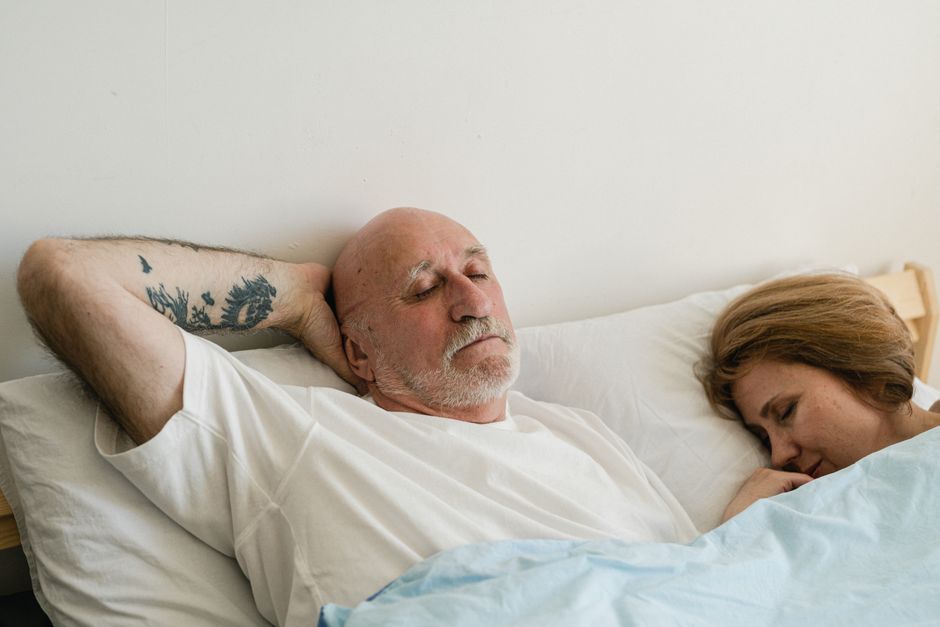
Sleep apnea is a condition where your breathing repeatedly stops and starts while you sleep. The “worst” form is severe obstructive sleep apnea, defined by an apnea-hypopnea index (AHI) of 30 or more events per hour. This means your breathing pauses or becomes very shallow more than 30 times every hour of sleep, placing significant strain on your heart and brain.
What Makes Severe Sleep Apnea Dangerous?
Severe sleep apnea is not just about feeling tired. Each time your breathing stops, your blood oxygen level drops. Your brain senses the danger and forces you to wake up just enough to breathe again. This can happen hundreds of times a night.
These repeated drops in oxygen and sudden awakenings put real stress on your body. Your heart rate spikes, your blood pressure rises, and your body releases stress hormones. Over time, this pattern can damage your cardiovascular system.
Research consistently shows that untreated severe sleep apnea increases the risk of high blood pressure, heart attack, stroke, and atrial fibrillation. It also raises the risk of type 2 diabetes and can worsen existing heart failure.
What Is The Worst Sleep Apnea? Risks And Treatment
The worst sleep apnea is severe obstructive sleep apnea, but there are also other serious forms. Central sleep apnea occurs when your brain fails to send the right signals to your breathing muscles. Complex sleep apnea syndrome, also called treatment-emergent central sleep apnea, combines both types.
Severe obstructive sleep apnea carries the highest risk of serious health complications. The combination of heavy snoring, gasping for air, and daytime exhaustion affects nearly every system in your body. The risks are not limited to the night — they follow you through the day.
How Do You Know If Your Sleep Apnea Is Severe?
Doctors diagnose sleep apnea severity using the apnea-hypopnea index. This number counts how many times per hour your breathing stops or becomes shallow during a sleep study.
- Mild: 5 to 14 events per hour
- Moderate: 15 to 29 events per hour
- Severe: 30 or more events per hour
Severe sleep apnea symptoms include loud snoring, witnessed pauses in breathing, choking or gasping sounds, excessive daytime sleepiness, morning headaches, and difficulty concentrating. If your partner reports that you stop breathing during sleep, take it seriously.
A home sleep test or an in-lab polysomnogram can confirm the diagnosis. Do not try to guess your severity based on symptoms alone. Some people with severe sleep apnea have few noticeable symptoms, while others with mild apnea feel exhausted constantly.




What Health Conditions Are Linked to Severe Sleep Apnea?
Untreated severe sleep apnea does not stay isolated to your sleep. It affects your entire body through repeated oxygen deprivation and fragmented sleep.
Heart disease is the most serious concern. The repeated stress on your cardiovascular system can lead to hypertension, coronary artery disease, and heart failure. Some studies indicate that people with severe sleep apnea have a significantly higher risk of sudden cardiac death during nighttime hours.
Stroke risk also increases. The intermittent low oxygen levels promote inflammation and blood clotting. Atrial fibrillation, an irregular heart rhythm, is more common in people with sleep apnea, and treating the apnea can improve heart rhythm control.
Metabolic effects include insulin resistance and a higher likelihood of developing type 2 diabetes. Sleep fragmentation disrupts hormones that control appetite, which can contribute to weight gain — and weight gain makes sleep apnea worse, creating a difficult cycle.
Cognitive effects include memory problems, mood changes, depression, and a higher risk of motor vehicle accidents due to daytime sleepiness. The cognitive decline associated with untreated severe sleep apnea can be significant.
What Are The Treatment Options for Severe Sleep Apnea?
Treatment for severe sleep apnea is highly effective when used consistently. The first-line treatment for most adults is positive airway pressure therapy, commonly called CPAP.
CPAP delivers a steady stream of air through a mask to keep your airway open while you sleep. It is not a cure, but it prevents the breathing pauses from happening. When used consistently, CPAP dramatically reduces the apnea-hypopnea index, improves oxygen levels, and restores normal sleep architecture.
Other treatment options include:
- Oral appliances: Custom-fitted dental devices that reposition your jaw or tongue to keep the airway open. These work best for mild to moderate apnea but can be used in some severe cases when CPAP is not tolerated.
- Weight loss: Excess weight, especially around the neck, compresses the airway. Losing 10% of body weight can significantly reduce apnea severity, though severe apnea often still requires ongoing treatment.
- Positional therapy: Some people have worse apnea on their back. Sleeping on your side can help, but this is rarely sufficient alone for severe apnea.
- Surgery: Options include removing excess throat tissue, repositioning the jaw, or implanting a hypoglossal nerve stimulator. Surgery is typically reserved for people who cannot tolerate CPAP and have a correctable anatomical issue.
Lifestyle changes matter but are not replacements for active treatment in severe cases. Avoiding alcohol before bed, quitting smoking, and treating nasal congestion can all help reduce apnea severity, but they rarely eliminate severe apnea on their own.
Why Do People Stop Using CPAP and What Happens Then?
CPAP is the most effective treatment, but many people stop using it within the first year. Common reasons include mask discomfort, feelings of claustrophobia, dry nose or mouth, and the inconvenience of sleeping with a device.
Stopping CPAP means the apnea returns. The health risks do not go away just because you stopped treatment. If CPAP is not working for you, tell your doctor. There are many mask styles, humidification settings, and pressure adjustments that can improve comfort.
Some people try a different approach called positional therapy or oral appliances when CPAP fails. Others pursue surgical options. The key is to keep working with your healthcare team to find a treatment you can actually use consistently.
No clinical evidence currently confirms that any over-the-counter device, nasal strip, or herbal supplement can treat severe sleep apnea. These products may reduce snoring in mild cases, but they do not prevent airway collapse in severe apnea.
Can Severe Sleep Apnea Be Reversed?
Severe sleep apnea can be effectively managed, and in some cases its severity can be reduced. Weight loss is the most powerful lifestyle factor. Bariatric surgery in people with obesity has been shown to resolve or significantly improve sleep apnea in many cases.
However, “reversed” is not the right word for most people. Even after significant weight loss, the anatomical tendency toward airway collapse often remains. Many people who improve still need treatment, just at a lower pressure or with a simpler device.
Consistent CPAP use can partially reverse some of the damage. Blood pressure often improves, daytime sleepiness resolves, and cognitive function returns. The heart does not fully heal overnight, but the ongoing damage stops when breathing is stabilized during sleep.
When Should You Seek Immediate Help?
Severe sleep apnea is a chronic condition, but some situations require urgent attention. If you or someone you know has sleep apnea and experiences chest pain, severe shortness of breath, fainting, or sudden weakness on one side of the body, call emergency services. These could be signs of a heart attack or stroke.
Falling asleep while driving is another red flag. Severe untreated sleep apnea can cause microsleeps — brief moments where you fall asleep without realizing it. If this happens, stop driving and seek treatment immediately.
Daytime sleepiness that interferes with work or daily activities should also prompt a visit to your doctor. You do not have to live with exhaustion and brain fog. Treatment is available and it works.
Frequently Asked Questions
Can you die from severe sleep apnea?
Yes, severe untreated sleep apnea increases the risk of death from cardiovascular events like heart attack and stroke. The risk drops significantly with consistent treatment.
How many apnea events per hour is severe?
Severe sleep apnea is defined as 30 or more apnea or hypopnea events per hour. This is measured during a sleep study.
Is CPAP the only treatment for severe sleep apnea?
No, but it is the most effective and most commonly prescribed first treatment. Oral appliances, surgery, and weight loss are options, but they work best when CPAP is not tolerated or as part of a comprehensive plan.
How long does it take for CPAP to improve symptoms?
Many people notice better sleep and reduced daytime sleepiness within the first few nights. Full improvement in blood pressure and other health markers takes weeks to months of consistent use.
