
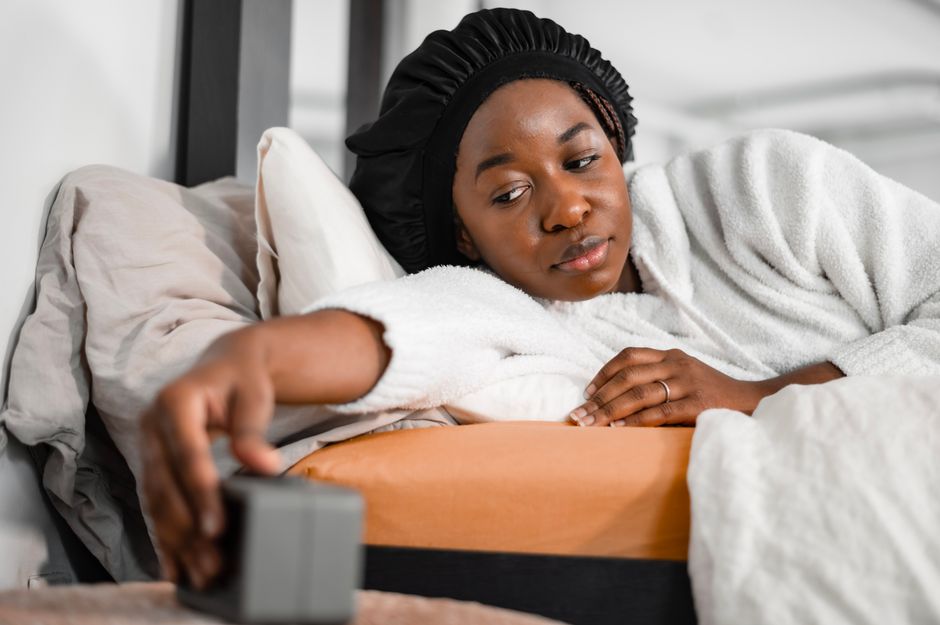
Early labor contractions can make sleep feel impossible, but resting now is one of the most important things you can do. Your body needs energy for the work ahead, and every hour of rest counts. The goal is not perfect sleep — it is maximizing the rest you can get between contractions while staying comfortable and calm.
Why Sleep Matters So Much In Early Labor
Early labor is the longest phase of childbirth. For many women, it lasts 8 to 12 hours or more, and sometimes longer. Contractions during this phase are usually mild to moderate, coming every 5 to 20 minutes and lasting 30 to 45 seconds each.
Your uterus is doing steady, rhythmic work. That work burns energy. If you exhaust yourself pacing, worrying, or timing every contraction obsessively, you will enter active labor already depleted. Active labor demands more from your body, and fatigue can slow progress and make coping harder.
Sleep is how your body restores that energy. Even light rest — lying down with your eyes closed — helps conserve what you will need later. Consider early labor a marathon warm-up, not the race itself. The race comes later, and you want to arrive at it rested.
How To Sleep With Contractions In Early Labor
Sleeping through contractions requires a combination of positioning, environment, and mindset. Here is what actually works for most women.
Side-lying is your best position. Lying on your left side increases blood flow to your uterus and baby. Place a pillow between your knees and another under your belly for support. This aligns your pelvis and reduces pressure on your lower back.
Use the contraction as a signal to relax deeper. When a contraction begins, focus on letting your jaw, shoulders, and hands go limp. Some women find slow exhales through the contraction help them stay in a drowsy state. When it passes, drift back toward sleep immediately.
Darken the room completely. Light suppresses melatonin, your sleep hormone. Use blackout curtains or an eye mask. Keep your phone away from the bed — the blue light and the temptation to text or time contractions will keep you alert.
Keep the room cool. A cooler room, around 65-68°F, supports deeper sleep. Use light blankets you can easily kick off if a hot flash hits.
Try a warm shower between contractions. If a contraction wakes you fully, a 5-minute warm shower can relax tense muscles. Get back into bed while still warm and drowsy. Do not make the water hot enough to raise your core temperature.
Move to a recliner or rocking chair if the bed is not working. Some women find semi-upright positions more comfortable during contractions. A recliner that lets you doze between contractions can be a good alternative to bed.
One honest note: you will not sleep through every contraction. That is normal. The goal is to return to rest between them, not to achieve uninterrupted sleep.
Comfort Measures That Help You Stay Restful
Certain comfort techniques can extend the time you spend resting rather than fully waking with each contraction.
Heat therapy. A heating pad on your lower back or lower abdomen can ease the ache of contractions. Use the lowest setting and place a cloth between the pad and your skin. Never fall asleep with a heating pad directly on your skin — check the manufacturer’s instructions and use the auto-shutoff feature if available.
Massage. Have your partner gently massage your lower back during contractions. Light, rhythmic pressure can interrupt pain signals and help you stay in a relaxed state. If massage feels irritating during a contraction — which happens for some women — ask them to stop until it passes.
Counter-pressure. Firm pressure on your lower back or hips during a contraction can significantly reduce discomfort. Your partner can use the heel of their hand or a tennis ball. This works best when contractions are felt mostly in the back.
Breathing techniques. Slow, rhythmic breathing — in through your nose for a count of four, out through your mouth for a count of six — keeps your nervous system calm. This is not about pain control. It is about preventing your body from tensing up, which makes contractions harder to rest through.
White noise or calm audio. A fan, a white noise machine, or a sleep playlist can mask the sounds that keep you alert. Some women find a guided relaxation recording helpful for returning to sleep between contractions.





What To Do When You Cannot Sleep At All
Sometimes sleep simply will not come. Contractions may be too frequent, too intense, or your mind too active. If you have been lying in bed for over an hour without rest, get up.
Lying awake in frustration raises stress hormones, which can slow labor. Move to a different position or activity for a while.
Try slow walking. Gentle movement can help labor progress and tire your body in a healthy way. Walk slowly around your home or yard. When a contraction hits, stop, lean on a wall or your partner, and breathe through it.
Use a birthing ball. Sitting on a stability ball and making slow circles with your hips can be soothing. Some women doze in this position between contractions. The gentle motion also encourages your baby to descend into an optimal position.
Sit in a warm bath. If your water has not broken, a warm bath can be deeply relaxing. The warmth eases muscle tension, and the water supports your body weight. Stay in for 20-30 minutes, then try returning to bed.
If your mind is racing, write down your worries. A notepad by the bed lets you put anxious thoughts on paper so you can set them aside until morning. This simple act helps many women quiet their minds enough to rest.
When To Stop Trying To Sleep And Call Your Provider
Knowing when early labor becomes active labor is critical. Active labor is typically defined as regular contractions that are strong enough that you cannot walk or talk through them, coming every 3-5 minutes and lasting about 60 seconds. Most providers recommend calling when your contractions have been regular for about an hour at this pattern.
Call your provider or go to the hospital if you experience any of the following:
- Your water breaks, especially if the fluid is green, brown, or foul-smelling
- You have bright red vaginal bleeding
- You feel decreased fetal movement
- Contractions are consistently less than 5 minutes apart and you cannot rest between them
- You have a fever, chills, or flu-like symptoms
- You have severe, unrelenting pain that does not ease between contractions
These signs can indicate complications that need medical attention. Do not wait until morning to call.
If your contractions are irregular, mild, and you can rest between them, stay home. Going to the hospital too early can lead to interventions you might prefer to avoid. Most providers will send you home if you are in early labor and not yet dilated enough for admission.
What About Sleep Medications Or Natural Sleep Aids?
Do not take any sleep medication, over-the-counter or prescription, during labor without explicit approval from your provider. This includes diphenhydramine (Benadryl), melatonin supplements, and herbal sleep aids. No clinical guidelines support their use during labor, and some may affect contractions or your baby.
Melatonin is a natural hormone your body produces, but supplementing during labor has not been studied for safety. Herbal remedies like valerian root or chamomile extracts have no established safety data for labor. The conservative position is to avoid them.
If you are genuinely unable to rest and it is affecting your ability to cope, talk to your provider. In some cases, they may recommend a mild option, but this decision must be made with medical guidance, not on your own.
Frequently Asked Questions
How long can early labor last?
Early labor typically lasts 8 to 12 hours, but it can stretch to 24 hours or more, especially for first-time mothers. This is normal as long as contractions remain manageable and you can rest between them.
Can I take a bath during early labor?
Yes, a warm bath is safe during early labor if your water has not broken. Keep the water warm, not hot, and limit the soak to 20-30 minutes.
Should I lie on my back during contractions?
No. Lying flat on your back can reduce blood flow to your uterus and make contractions feel more intense. Side-lying or semi-upright positions are better for both comfort and circulation.
When should I go to the hospital?
Go when contractions are consistently 3-5 minutes apart, last about 60 seconds, and are strong enough that you cannot walk or talk through them. Call your provider first unless you have signs of an emergency like heavy bleeding or decreased fetal movement.
