
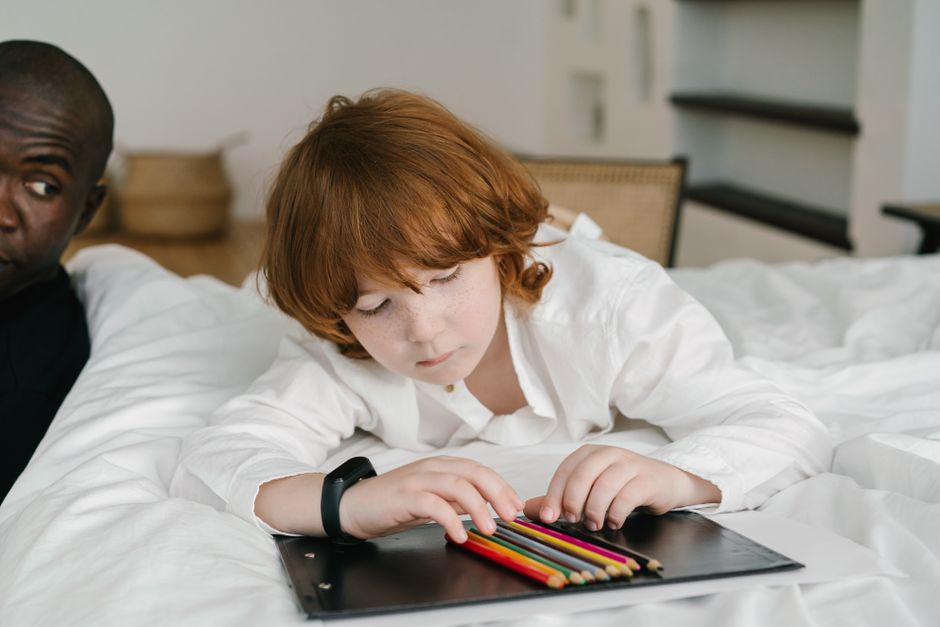
Getting an autistic child to sleep is often one of the hardest parts of the day for families. Many autistic children struggle with falling asleep, staying asleep, or waking too early. The good news is that specific, predictable routines and environmental changes can make a real difference. The most effective approach combines a consistent bedtime routine, a sensory-friendly bedroom, and careful attention to pre-sleep habits like screen time and food.
Why Is Sleep Harder for Autistic Children?
Sleep problems are more common in autistic children than in typically developing children. Studies consistently show that between 50% and 80% of autistic children experience some form of sleep difficulty. This is not a parenting failure. It is often rooted in biology and sensory processing.
Many autistic children have lower levels of melatonin, the hormone that signals the brain it is time to sleep. Some research suggests their bodies may produce melatonin at the wrong time of day. This can shift their natural body clock, making it hard to feel sleepy at a typical bedtime.
Sensory differences also play a major role. A child may be hypersensitive to the feel of pajama tags, the hum of a refrigerator, or the glow of a streetlight. These small distractions can prevent the nervous system from settling down enough to fall asleep.
What Is the Best Bedtime Routine for an Autistic Child?
A predictable bedtime routine is the single most effective tool for improving sleep. The routine should be short, calm, and identical every single night. This predictability reduces anxiety because the child knows exactly what comes next.
Start the routine 30 to 45 minutes before the target bedtime. Include three to five quiet activities. A typical effective sequence might be a warm bath, putting on pajamas, reading one book, and then lying down with a preferred calm toy or blanket.
Keep the routine visually clear. Many families use a picture schedule on the wall showing each step: bath, pajamas, teeth, book, bed. For children who read, a simple written checklist works too. This removes the need for verbal reminders and gives the child a sense of control.
Be consistent even on weekends. Keeping the same bedtime within 30 minutes every night helps regulate the internal body clock. Irregular schedules can undo progress quickly.
How Do You Create a Sensory-Friendly Sleep Environment?
The bedroom should be a calm, low-stimulation space. Darkness is important because light suppresses melatonin production. Use blackout curtains to block outside light. If the child is afraid of complete darkness, a dim red or amber nightlight is a better choice than blue or white light. Red light has the least impact on melatonin.
Sound matters too. Some children sleep better with complete silence. Others find a consistent white noise machine calming because it masks unpredictable sounds like traffic or a neighbor’s dog. Choose one option and use it consistently.
Temperature affects sleep quality. The ideal bedroom temperature for most children is between 65 and 70 degrees Fahrenheit. A cooler room supports deeper sleep. Dress the child in lightweight, soft pajamas without tags. Cut tags out if they cause irritation.
Weighted blankets are popular for sleep, but the evidence is mixed. Some children find the deep pressure calming. No large trials have confirmed that weighted blankets improve sleep for all autistic children. If you try one, choose a weight that is approximately 10% of the child’s body weight. Always watch for signs of overheating or discomfort.





How Do Screens and Food Affect Sleep?
Screen time before bed is a known sleep disruptor for all children, and autistic children are not exempt. The blue light from tablets, phones, and televisions suppresses melatonin production. The content itself can also be overstimulating, especially for a child who already struggles to wind down.
Stop all screen use at least one hour before the bedtime routine begins. Replace screens with quiet activities like books, puzzles, or sensory play with putty or soft toys. If a screen is absolutely necessary, use the lowest brightness setting and enable the device’s night mode.
Food timing matters as well. A heavy meal close to bedtime can cause discomfort and make sleep harder. Aim to finish dinner at least two hours before bed. A small, light snack before the routine is fine if the child is hungry. Foods with natural melatonin or tryptophan, such as warm milk, bananas, or oatmeal, may help some children feel sleepy.
Caffeine is a hidden problem. Check labels on chocolate, soda, and some juices. Even small amounts of caffeine in the afternoon can interfere with sleep at night. Avoid all caffeine after lunchtime.
What Role Does Melatonin Play?
Melatonin supplements are the most studied sleep intervention for autistic children. Clinical guidelines from pediatric organizations support their use for children with sleep difficulties, but always under medical supervision. Do not start melatonin without discussing it with your child’s doctor first.
Melatonin helps with falling asleep, but it is not a sedative. It signals the brain that it is nighttime. It works best when combined with a consistent routine and a dark room. It does not fix the underlying causes of sleep disruption.
Dosing varies widely, and no single dose works for every child. Pediatric guidelines commonly suggest starting with a low dose, often between 0.5 mg and 1 mg, taken 30 to 60 minutes before bedtime. Some children need more, but higher doses do not always work better. Your doctor can help determine the right starting dose based on your child’s age and weight.
Short-term use is generally considered safe, but long-term effects are not fully known. Some research suggests that extended-release melatonin may help children who wake frequently during the night, while immediate-release helps with falling asleep. Discuss which form suits your child’s specific pattern of sleep problems.
Why Does My Child Wake Up in the Middle of the Night?
Night waking is a common and exhausting problem. Many children wake and cannot fall back asleep without help. This often happens because the child has learned to associate falling asleep with a specific condition, such as a parent present or a certain light on. When they wake naturally during a sleep cycle, they cannot return to sleep without that same condition.
Look for medical causes first. Sleep apnea, reflux, and allergies can all cause night waking. Snoring, breathing pauses, or restless sleep should be evaluated by a doctor. Constipation is another common culprit that many parents do not connect to sleep disruption.
If medical causes are ruled out, focus on teaching the child to fall asleep independently at the start of the night. This is harder in the short term but reduces night waking over time. Gradually reduce your presence at bedtime. Sit further from the bed each night, or check in less frequently. This process takes patience and consistency.
Anxiety is a major factor in night waking for many autistic children. They may wake and feel unsafe or uncertain. A calm, brief response that does not involve lights, screens, or long conversations helps the child learn that night is for sleeping. Keep interactions boring and minimal.
When Should You See a Doctor About Sleep Problems?
Talk to your child’s pediatrician if sleep problems last more than a few weeks or significantly affect daytime behavior. Poor sleep can worsen autistic symptoms, including meltdowns, attention problems, and irritability. Treating sleep often improves daytime functioning.
See a doctor sooner if your child snores loudly, gasps for air, or has long pauses in breathing during sleep. These could be signs of sleep apnea, which requires medical evaluation. Also seek help if your child sleeps very little, seems overly sleepy during the day, or you suspect a medical issue like reflux.
A doctor can rule out medical causes and guide you on safe supplement use. In some cases, they may refer you to a sleep specialist. Behavioral sleep interventions are effective for many children, and a specialist can help design a plan tailored to your child’s specific needs.
Frequently Asked Questions
How long does it take for a new bedtime routine to work?
Most families see improvement within one to two weeks of consistent implementation. If there is no change after three weeks, reassess the routine or environmental factors.
Is melatonin safe for autistic children?
Short-term use is generally considered safe under medical supervision, but long-term effects are not fully known. Always consult your child’s doctor before starting any supplement.
What if my child refuses to stay in bed?
Return the child to bed calmly and without conversation each time. Consistent, boring responses teach the child that bed is the only option at night.
Can weighted blankets help my autistic child sleep?
Some children find them calming, but the evidence is mixed and no large trials confirm their effectiveness. Choose one that is about 10% of your child’s body weight and watch for signs of overheating.
