
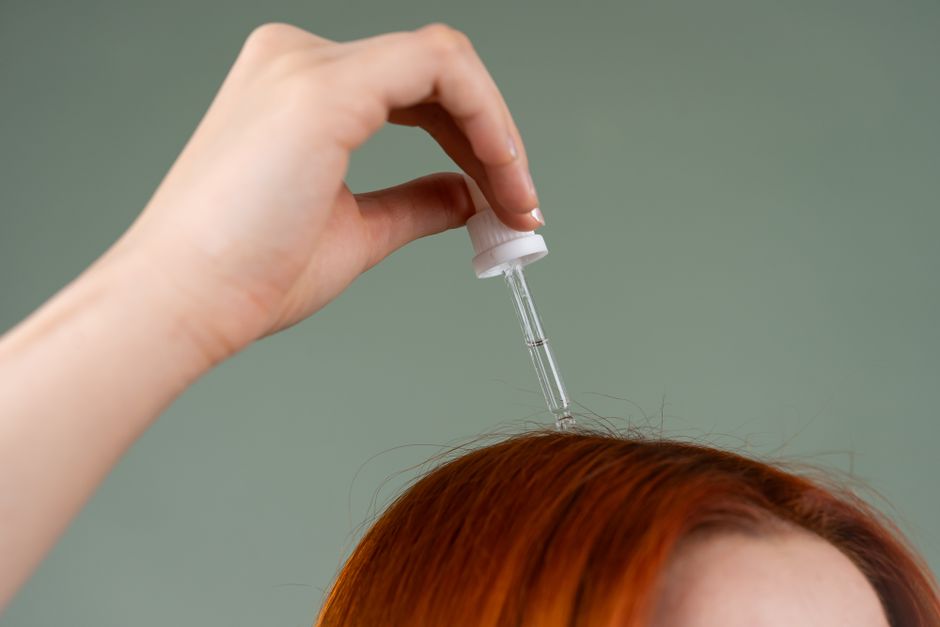
Choosing a hair dye when your hair is thinning comes down to one main goal: avoiding further damage. The safest options are generally gentler formulas like demi-permanent dyes, vegetable-based dyes, and products free of ammonia, parabens, and resorcinol. These are less likely to irritate a sensitive scalp or stress fragile hair strands, which is critical when every strand counts.
Why Thinning Hair Needs Special Dye Considerations
Thinning hair is more vulnerable than healthy, dense hair. The hair shaft is often finer, and the scalp may be more sensitive due to underlying conditions like androgenetic alopecia or telogen effluvium. Harsh chemicals can break already fragile strands and cause scalp inflammation, which may worsen hair loss.
Permanent dyes use ammonia to open the cuticle and deposit color deep inside the hair shaft. This process can weaken the structural protein, keratin. When hair is already thin, this added stress can lead to increased breakage and a less full appearance.
Your scalp health matters too. A compromised scalp barrier from aggressive chemicals can trigger itching, redness, or flaking. For people with thinning hair, keeping the scalp calm and healthy is essential for supporting existing follicles.
What Is The Safest Hair Dye For Thinning Hair? Key Facts
The safest hair dye for thinning hair is one that minimizes mechanical and chemical stress. Demi-permanent dyes are a strong choice because they use a lower volume developer and no ammonia. They gently open the cuticle to deposit color without penetrating as deeply as permanent formulas.
Vegetable-based dyes like henna are another safe option. They coat the hair shaft rather than penetrating it, which means no cuticle damage at all. However, henna produces limited color results and cannot lighten hair. It also requires a commitment because it is difficult to remove once applied.
Ammonia-free permanent dyes exist, but they still use a developer and other chemicals. They are gentler than traditional permanent dyes but not as gentle as demi-permanent options. For someone with significant thinning, the trade-off between longevity and gentleness matters.
Look for dyes labeled “gentle,” “sensitive,” or “dermatologist tested.” These often exclude common irritants like resorcinol, PPD, and parabens. Some brands specifically formulate for sensitive scalps and fragile hair, which is a reasonable place to start.
Ingredients to Avoid With Thinning Hair
Several ingredients in conventional hair dyes are known irritants. PPD, or para-phenylenediamine, is a common allergen found in most permanent dyes. It can cause allergic contact dermatitis, which is especially problematic for a sensitive scalp. Many people with thinning hair already experience scalp sensitivity, so minimizing PPD exposure is wise.
Ammonia is another ingredient to avoid. It is used to open the cuticle, but it also strips moisture and can dry out fragile hair. Dry hair is more prone to breakage, which makes thinning worse.
Resorcinol is used in some dyes to help color develop. It is a known skin irritant and has been restricted in some countries due to concerns about its safety profile. While the evidence on its long-term effects is still evolving, avoiding it is a reasonable precaution.
Alcohols like ethanol and isopropyl alcohol are often used in dyes as solvents. They can dry the hair and scalp, which is counterproductive for someone trying to maintain moisture and health.




Does Dye Itself Cause Hair Loss?
Hair dye does not typically cause permanent hair loss. The hair follicle sits below the scalp surface, and dye chemicals act on the hair shaft above the surface. Damage from dye is usually breakage, not loss from the root.
That said, an allergic reaction to a dye ingredient can cause scalp inflammation severe enough to trigger temporary shedding. This is a form of telogen effluvium, where stress causes follicles to enter the resting phase prematurely. The shedding typically resolves once the inflammation subsides.
If you notice increased hair fall after dyeing, it is worth evaluating your product and technique. Patch testing before full application is always recommended, especially if you have a history of sensitive skin or allergies.
How to Dye Thinning Hair Safely
Proper application technique reduces damage. Always follow the manufacturer’s instructions and do not leave dye on longer than recommended. Longer processing time does not mean better color — it means more potential damage.
Space out your dyeing sessions. Waiting at least 6 to 8 weeks between applications gives hair time to recover. If you dye more frequently, consider using a demi-permanent formula that is less damaging.
Use a conditioner designed for color-treated hair. These help seal the cuticle and restore moisture after the dyeing process. Deep conditioning treatments once a week can also support hair strength.
Consider doing a strand test before your full application. This serves two purposes: checking the color result and observing how your hair responds to the product. If your hair feels brittle or looks damaged after the test, choose a gentler formula.
For those with very fragile hair, a root-touch-up approach is worth considering. Dye only the regrowth at the roots rather than the full length. This limits chemical exposure to the older, more fragile parts of the hair.
Alternative Options to Traditional Dye
If you want to avoid chemical dyes entirely, there are alternatives. Temporary color sprays and powders coat the hair with pigment and wash out with shampoo. These are the least damaging options because they do not penetrate the hair shaft at all. They work well for covering thinning areas or adding volume to the scalp line.
Colored dry shampoos are another practical choice. They absorb oil, add texture, and deposit color simultaneously. This can make thinning hair look fuller while providing gentle coverage.
Hair fibers made from keratin are designed to cling to existing hair and cover exposed scalp. They are not dyes, but they address the visual concern of thinning. Many people use them in combination with gentle dyes for a complete look.
These alternatives do not last as long as traditional dyes, but they offer a zero-damage approach. For someone with significant thinning, the trade-off may be worth it.
Consulting a Professional
A professional colorist can assess your hair condition and recommend the right product. They can also apply color more precisely, reducing overlap and damage. If your thinning is related to a medical condition like alopecia areata or thyroid disease, a dermatologist is the right person to consult before dyeing.
Some dermatologists recommend waiting until an active shedding episode resolves before dyeing. This is because the scalp is often inflamed during these periods, and chemicals may worsen the irritation. Once the shedding stabilizes, gentle dyeing is generally acceptable.
If you have questions about whether a specific product is safe for your situation, ask your dermatologist. They can review the ingredient list and advise based on your scalp health and hair condition.
Frequently Asked Questions
Can I dye my hair if I have significant thinning?
Yes, but choose a gentle formula like demi-permanent or vegetable-based dye and always patch test first. Avoid permanent dyes with ammonia if your hair is fragile or your scalp is sensitive.
Is ammonia-free dye safe for thinning hair?
Ammonia-free dyes are gentler than traditional permanent dyes, but they still contain a developer and other chemicals. They are a reasonable middle-ground option, though demi-permanent dyes are generally less damaging.
How often can I dye thinning hair?
Wait at least 6 to 8 weeks between dye applications to allow hair to recover. More frequent dyeing increases the risk of breakage and scalp irritation.
Does hair dye cause permanent hair loss?
No, hair dye causes breakage, not permanent loss from the follicle. A severe allergic reaction can trigger temporary shedding, but this typically resolves once the inflammation settles.
