
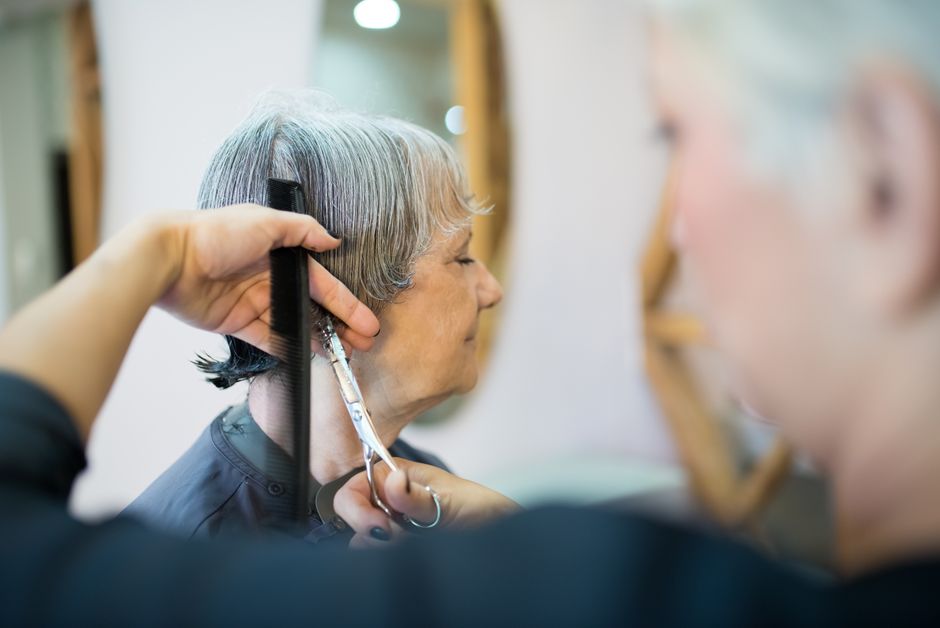
If you have thinning hair and are considering a perm, here is the short answer: a perm can make thinning hair look fuller temporarily, but it also carries a real risk of making hair damage and breakage worse, especially if your hair is already fragile. The chemicals and heat involved in perming can stress hair strands that are already weakened by thinning. Whether a perm helps or hurts depends heavily on your specific hair type, the cause of your thinning, and how the perm is done.
How Does a Perm Actually Change Your Hair?
A perm uses chemicals to break and then reform the bonds inside each hair strand. This is what creates curls or waves. The process involves two main steps. First, a reducing solution softens the hair. Then, after the hair is wrapped around rods, a neutralizing solution locks the new shape in place.
This chemical process changes the structure of your hair permanently until it grows out. For someone with thinning hair, the curls can create the appearance of more volume. Curled hair takes up more space than straight hair. This can make the scalp less visible and give the hair a denser look.
But the trade-off is real. The chemicals weaken the hair shaft. Research published in the Journal of Cosmetic Dermatology has shown that perming solutions can damage the outer cuticle layer of hair. For hair that is already thin or fragile, this added stress can lead to breakage and further thinning over time.
Will A Perm Hide Thinning Hair Or Make It Worse?
This is the core question, and the answer is not simple. A perm can hide thinning hair in the short term by adding volume and texture. The curls create a visual effect that makes hair look thicker. Many people with mild to moderate thinning find that a perm improves the overall appearance of their hair.
However, a perm can make thinning hair worse if your hair is already damaged or if the cause of thinning is a condition like telogen effluvium or androgenetic alopecia. In these cases, the hair shafts are often weaker to begin with. The perm chemicals can cause breakage at the scalp or along the hair shaft. This can lead to more noticeable thinning, especially a few weeks after the perm when the damage becomes visible.
The American Academy of Dermatology advises that people with thinning hair should be cautious with chemical treatments. They recommend consulting a dermatologist before getting a perm if you have any underlying hair loss condition. The risk is higher for people with fine or fragile hair.
What Research Says About Perms and Hair Health
Most of the research on perms focuses on hair damage, not on hair loss directly. Studies have consistently found that perming solutions cause measurable changes to the hair’s structure. A study in the International Journal of Trichology found that perming reduced the tensile strength of hair by about 20 percent. This means the hair is more likely to break under stress.
There is no clinical evidence that perms cause permanent hair loss from the follicle itself. The damage is usually to the hair shaft. If the hair breaks off near the scalp, it can look like hair loss. But the follicle is often still alive and will grow new hair over time.
Some studies suggest that repeated perming over many years may lead to cumulative damage. The hair may become progressively thinner and more brittle with each treatment. This is especially true if the perms are done too close together or if the hair is not properly cared for between treatments.



Who Should and Should Not Consider a Perm for Thinning Hair
A perm might work well for someone with mild thinning who has healthy, strong hair to begin with. If your hair is naturally coarse or thick but you have noticed some thinning at the crown or temples, a perm can add volume that masks the thinner areas. The key is that the hair itself must be strong enough to handle the chemicals.
A perm is probably a bad idea if your hair is already fine, fragile, or damaged from previous treatments. If you have used bleach, color, or heat styling regularly, your hair may not survive a perm without breaking. The same applies if you have a medical condition like hypothyroidism, iron deficiency, or alopecia areata. Treating the underlying cause of thinning should come before any chemical treatment.
Some dermatologists recommend avoiding perms entirely during active shedding phases. If you are losing more than 100 hairs a day, wait until the shedding stabilizes. Perming hair that is actively falling out can make the situation look much worse.
Comparing Perms to Other Options for Thinning Hair
If you want the look of fuller hair without the chemical risk, there are other options. Here is a comparison of common approaches:
| Option | How It Works | Risk Level | Best For |
|---|---|---|---|
| Perm | Chemically curls hair for volume | Moderate to high | Healthy hair with mild thinning |
| Hair fibers | Static-charged fibers cling to existing hair | Very low | Immediate coverage of scalp show-through |
| Minoxidil (Rogaine) | Stimulates hair follicles to regrow hair | Low | Androgenetic alopecia (male and female pattern) |
| Toppik or similar concealers | Powder or spray that thickens hair appearance | Very low | Temporary cosmetic fix for any thinning type |
| Low-level laser therapy | Red light stimulates follicle activity | Very low | Mild to moderate genetic thinning |
| Hair transplant | Surgical relocation of healthy follicles | Moderate | Permanent solution for stable thinning |
Each option has trade-offs. A perm is one of the riskier choices for thinning hair because it directly stresses the hair shaft. It also does not address the underlying cause of thinning. If you want a temporary cosmetic fix with lower risk, hair fibers or concealers are safer.
What to Expect After a Perm If You Have Thinning Hair
Right after a perm, your hair will look fuller. The curls create immediate volume. This effect usually lasts for several weeks. However, the hair may feel drier and more brittle than before. You will likely need to use deep conditioning treatments to keep it from breaking.
As the perm grows out, the curls will soften and the volume will decrease. You will see a clear line between the permed hair and the new growth. This can be more noticeable if you have thin hair because the contrast between curly and straight sections is more apparent.
Some people experience increased hair shedding about two to three months after a perm. This is often from breakage, not from the follicle. The damaged hair breaks off and falls out. New hair will grow in its place, but it may take several months for the hair to look normal again. If the shedding is heavy, see a dermatologist.
The CDC reports that about 80 percent of people will experience some form of hair thinning in their lifetime. For many, the cause is genetic. A perm will not stop genetic thinning. It only changes the appearance of what is already there.
Common Misconceptions About Perms and Hair Thinning
One common myth is that perms can stimulate hair growth. There is no evidence for this. The chemicals do not affect the follicle or the blood supply to the scalp. Any appearance of thicker hair is purely cosmetic from the curl pattern.
Another misconception is that a “body wave” or “loose perm” is safer for thinning hair. While a looser curl uses less tension on the rods, the chemicals are essentially the same. The risk of damage is still present. The difference is mostly in how the hair is wrapped, not in the chemical process itself.
Some people believe that perms are safe if done by a high-end salon. While a skilled stylist can reduce the risk, the chemicals still weaken the hair. No amount of skill can eliminate the basic chemical reaction that breaks hair bonds. The best a stylist can do is minimize damage with proper timing and aftercare.
Finally, there is a widespread claim that perms are fine for thinning hair as long as you use a “gentle” formula. Most perm solutions are similar in strength. Some brands market themselves as gentler, but the active ingredients are the same. The difference is usually in the pH level or added conditioners. These may help slightly but do not eliminate the risk.
How to Decide If a Perm Is Right for You
Before getting a perm, ask yourself a few questions. Is your hair currently healthy? Can you run your fingers through it without significant breakage? Have you had any chemical treatments in the last six months? If the answer to any of these is no, wait.
See a dermatologist first if you have not already. They can tell you the cause of your thinning. If it is from a reversible condition like low iron or stress, treat that first. Once your hair is healthy, a perm becomes a safer option.
If you do decide to get a perm, follow these steps to reduce risk:
- Ask your stylist for a test strand first to see how your hair reacts
- Request a perm designed for damaged or fine hair if available
- Do not use heat styling tools on permed hair
- Use a deep conditioner weekly
- Wait at least six months before another perm
- Stop if you see increased shedding or breakage
Some people report that a perm gave them the confidence to stop worrying about thinning hair. Others say it made their hair fall out faster. The difference often comes down to how healthy the hair was before the perm and how well it was cared for afterward.
Frequently Asked Questions
Can a perm cause permanent hair loss?
No, a perm does not damage the hair follicle itself, so it cannot cause permanent hair loss. However, it can cause breakage that makes hair look thinner for several months.
How long will a perm last on thinning hair?
A perm typically lasts three to six months on thinning hair, but the curls may relax faster if the hair is fine or damaged. Proper aftercare can help extend the results.
Is a body wave safer than a regular perm for thinning hair?
A body wave uses the same chemicals as a regular perm, so it is not significantly safer. The main difference is the rod size, which creates looser curls.
Should I use minoxidil before or after a perm?
Use minoxidil as directed by your doctor, but avoid applying it to freshly permed hair for at least 48 hours. The alcohol in minoxidil can dry out already stressed hair.
