
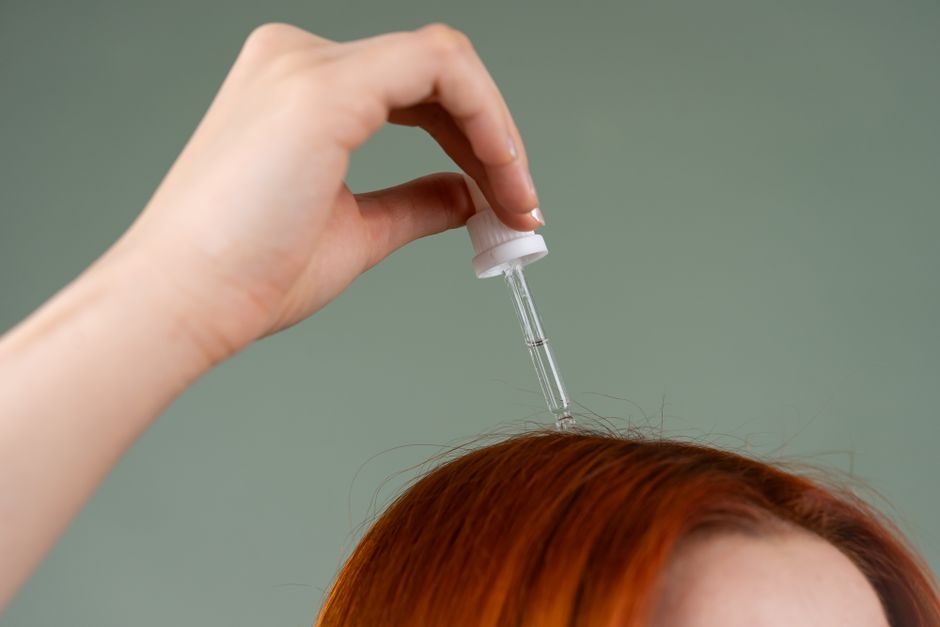
Hair thinning is rarely caused by one single thing. It is usually the result of genetics, hormones, aging, or a combination of health and lifestyle factors. The most common cause is androgenetic alopecia, often called male or female pattern hair loss. Other causes include stress, nutritional deficiencies, medical conditions, and certain medications. Understanding the specific reason behind your hair loss is the first step toward addressing it.
What Is Androgenetic Alopecia (Pattern Hair Loss)?
Androgenetic alopecia is the most common cause of hair thinning worldwide. It affects both men and women, but it looks different in each.
In men, it typically starts with a receding hairline and thinning at the crown. In women, it usually presents as overall thinning across the top of the scalp, with the front hairline often preserved. This condition is driven by genetics and hormones, specifically the sensitivity of hair follicles to dihydrotestosterone (DHT), a byproduct of testosterone.
DHT binds to receptors in hair follicles and causes them to shrink over time. As follicles shrink, the hair they produce becomes finer and shorter. Eventually, the follicle may stop producing hair altogether. This process is gradual and predictable, but it is not reversible without intervention.
Pattern hair loss is not a sign of poor health. It is a natural biological process influenced by your genetic makeup. However, it can be treated. Medications like minoxidil and finasteride have been shown to slow or stop progression in many people, and some experience regrowth. These treatments work best when started early, before the follicle has completely shut down.
How Do Hormonal Changes Affect Hair Thinning?
Hormones play a major role in hair growth and shedding. Any significant shift in hormone levels can disrupt the normal hair cycle.
Pregnancy is a common trigger. During pregnancy, high estrogen levels prolong the growth phase of hair, making it look thicker. After childbirth, estrogen drops sharply, and many women experience a sudden shedding phase called telogen effluvium. This typically begins two to four months postpartum and resolves on its own within six to twelve months.
Thyroid disorders also cause hair thinning. Both hypothyroidism and hyperthyroidism can disrupt hair growth because thyroid hormones regulate metabolism in hair follicles. If you have unexplained thinning along with fatigue, weight changes, or temperature sensitivity, a thyroid test is a reasonable next step.
Menopause brings another hormonal shift. Declining estrogen and progesterone levels can lead to thinner hair, and the effect of androgens becomes more noticeable. This is why many women notice increased thinning in their 50s and 60s.
Hormonal birth control can also influence hair. Some women experience shedding when starting or stopping certain contraceptives. This is usually temporary, but it can be distressing while it lasts.
Can Stress Cause Hair To Fall Out?
Yes. Stress is a well-documented cause of temporary hair shedding. The medical term is telogen effluvium.
Here is how it works. Your hair follicles cycle through growth, rest, and shedding phases. Under normal conditions, about 85-90% of your hair is in the growth phase at any given time. Severe stress can push a large number of follicles into the resting phase at once. A few months later, those hairs all fall out together.
This is why stress-related hair loss usually appears two to three months after the stressful event. It can be triggered by major surgery, illness, rapid weight loss, emotional trauma, or even a high fever.
The good news is that telogen effluvium is usually reversible. Once the stressor resolves, hair typically regrows within six months. However, if stress is chronic, the shedding can continue or recur.
It is important to distinguish this from pattern hair loss. Telogen effluvium causes diffuse shedding all over the scalp. Pattern hair loss is more localized and progressive. If you are losing handfuls of hair daily, stress or another medical trigger is more likely than genetics.





What Nutritional Deficiencies Are Linked To Hair Loss?
Your hair follicles are among the most metabolically active cells in your body. They need a steady supply of nutrients to produce hair. Deficiencies can slow or stop that production.
Iron deficiency is one of the most common nutritional causes of hair thinning, especially in women. Iron is needed to make hemoglobin, which carries oxygen to cells, including hair follicles. Low ferritin levels — the stored form of iron — have been linked to hair shedding. A simple blood test can check this.
Vitamin D deficiency is also associated with hair loss. Vitamin D receptors are present in hair follicles, and research suggests low levels may contribute to thinning. The exact mechanism is not fully understood, but correcting a deficiency is low-risk and may help.
Other nutrients linked to hair health include:
- Zinc — supports follicle function and repair
- Biotin (Vitamin B7) — involved in keratin production
- Protein — hair is mostly protein, so severe restriction can cause shedding
- B12 and folate — needed for cell division in the follicle
That said, supplementation is not a cure-all. If you are not deficient, taking extra vitamins will not make your hair grow faster. In fact, excessive intake of some nutrients, like vitamin A or selenium, can cause hair loss. The safest approach is to get tested for deficiencies before supplementing.
Which Medical Conditions Cause Hair Thinning?
Several medical conditions directly affect hair growth. Some are autoimmune, some are inflammatory, and some are related to how your body processes hormones.
Alopecia areata is an autoimmune condition where the immune system attacks hair follicles. It causes round, smooth patches of hair loss on the scalp. In some cases, it can progress to complete scalp hair loss. The course is unpredictable — hair may regrow on its own, or the condition may recur.
Polycystic ovary syndrome (PCOS) is a hormonal disorder common in women of reproductive age. It causes higher levels of androgens, which can lead to thinning hair on the scalp while increasing hair growth on the face and body. Other signs include irregular periods, acne, and weight gain.
Scalp conditions like psoriasis, seborrheic dermatitis, or fungal infections can damage follicles and cause localized thinning. Treating the underlying skin condition often allows hair to regrow.
Syphilis is a less common cause of hair loss, but it can produce a characteristic “moth-eaten” pattern of thinning. This is why some doctors include a syphilis test when evaluating unexplained hair loss.
If your hair loss is accompanied by other symptoms — fatigue, joint pain, skin rashes, or unexplained weight changes — it is worth discussing with a doctor. Hair loss can sometimes be the first visible sign of a deeper medical issue.
Can Medications Or Treatments Cause Hair Loss?
Yes. Certain medications list hair loss as a possible side effect. This usually happens because the drug disrupts the hair growth cycle.
Common culprits include:
- Chemotherapy drugs — attack rapidly dividing cells, including hair follicles
- Antidepressants — some are more likely to cause shedding than others
- Blood thinners — including warfarin and heparin
- Retinoids — used for acne or skin conditions
- Beta-blockers and ACE inhibitors — blood pressure medications
- Hormonal therapies — including some forms of birth control and hormone replacement
Hair loss from medication is usually temporary. Once the drug is stopped or the dose is adjusted, hair typically regrows within a few months. Never stop a prescribed medication without talking to your doctor first. The benefits of the drug may outweigh the cosmetic side effect, and your doctor may be able to suggest an alternative.
Radiation therapy to the head also causes hair loss in the treated area. This can be permanent if the dose is high enough to damage the follicle permanently.
What Hairstyling Habits Damage Hair?
Not all hair thinning is internal. Some is caused by how you treat your hair on the outside.
Traction alopecia is hair loss caused by prolonged pulling on the hair. Tight ponytails, braids, cornrows, weaves, and extensions can all put stress on the follicle. Over time, this can damage the follicle permanently and lead to thinning along the hairline or in the areas of tension.
Chemical damage from relaxers, perms, and repeated bleaching can weaken the hair shaft, causing breakage. Breakage is not the same as hair loss from the root, but it can make hair look significantly thinner.
Heat styling with flat irons, curling wands, and blow dryers can also damage the hair shaft over time. Using lower heat settings and a heat protectant reduces the risk.
If you wear your hair in tight styles, consider loosening them and giving your scalp regular breaks. If you notice thinning along the hairline that matches where your ponytail or headband sits, traction is likely the cause.
When Should You See A Doctor About Hair Thinning?
Some hair shedding is normal. Most people lose 50 to 100 hairs per day. The problem is when shedding exceeds that, or when you notice visible thinning over time.
See a doctor if:
- You are losing clumps of hair at once
- Thinning is rapid or sudden
- You have bald patches or a receding hairline
- You have other symptoms like fatigue, weight changes, or skin issues
- You started a new medication recently
A dermatologist is the best specialist for hair loss. They can examine your scalp, take a medical history, and run blood tests to check thyroid function, iron levels, vitamin D, and hormones. In some cases, a scalp biopsy may be needed to confirm the diagnosis.
Early diagnosis matters. For pattern hair loss, treatments are most effective when started early. For reversible causes like deficiencies or stress, identifying the trigger allows you to correct it before permanent damage occurs.
Frequently Asked Questions
Is hair thinning always permanent?
No. Temporary causes like stress, nutritional deficiencies, and medication side effects often resolve once the underlying issue is fixed. Pattern hair loss, however, is progressive and typically requires ongoing treatment to slow or stop.
Can changing my diet stop hair loss?
Only if the hair loss is caused by a specific nutritional deficiency. If your nutrient levels are normal, dietary changes alone will not reverse pattern hair loss or other medical causes.
How much hair loss per day is normal?
Losing 50 to 100 hairs per day is considered normal as part of the natural hair cycle. Shedding beyond that, or visible thinning, warrants evaluation.
Does wearing hats cause hair thinning?
No. Wearing hats does not restrict blood flow to the scalp enough to cause hair loss. Tight hairstyles that pull on the roots, however, can cause traction alopecia.
