
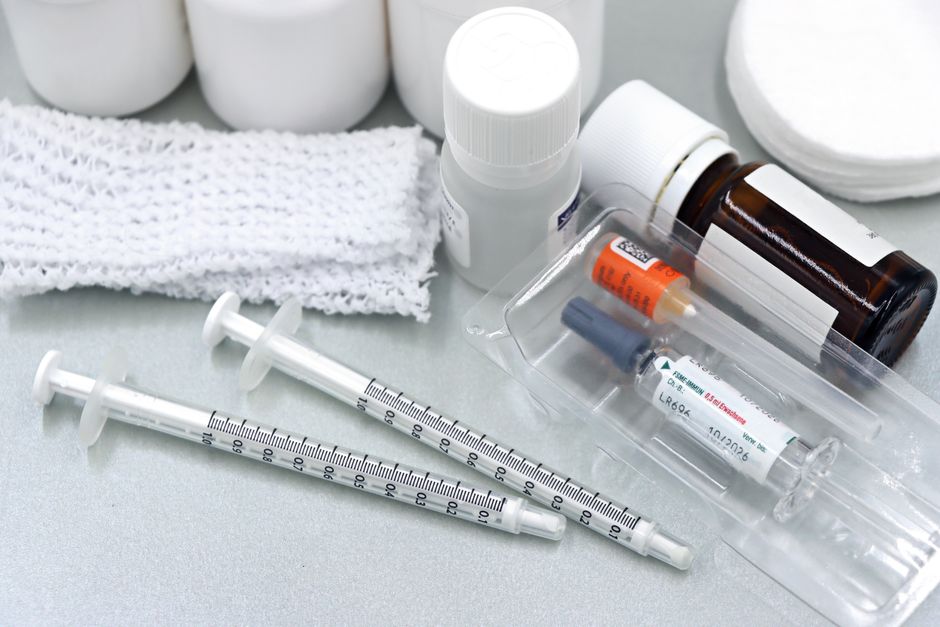
Rotavirus is one of the most common causes of severe diarrhea in infants and young children worldwide. The rotavirus vaccine for babies is an oral vaccine — given as drops or liquid swallowed, not as a shot — that protects against this virus. In the United States, it is recommended as a routine childhood vaccine, with the first dose typically given before a baby is 15 weeks old.
Before the vaccine was introduced in 2006, rotavirus was a leading reason babies and toddlers were hospitalized for dehydration from diarrhea and vomiting. The vaccine has substantially reduced those hospitalizations in countries where it is used routinely. It does not prevent all rotavirus illness, but it is highly effective at preventing the severe cases that lead to hospitalization.
What Is The Rotavirus Vaccine For Babies?
The rotavirus vaccine is a liquid given by mouth that helps a baby’s immune system build protection against rotavirus before they are likely to encounter it. Rotavirus spreads easily — through contaminated hands, surfaces, and objects — and young children are especially vulnerable to it.
There are two rotavirus vaccines used in the United States. One is given as a two-dose series, and the other as a three-dose series. Both are oral. Which one a baby receives usually depends on what the clinic stocks, and the two are not meant to be used interchangeably within a single series.
These vaccines contain weakened, live rotavirus. That matters for a few reasons, and it is one of the more important things to understand about them. Because the virus in the vaccine is live but weakened, it can be found in a baby’s stool for a short time after vaccination. This is why handwashing after diaper changes matters in the weeks following each dose, especially if there are people in the household with weakened immune systems. It is also why the vaccine is generally not given to babies with certain immune conditions.
How Is the Rotavirus Vaccine Given and When?
The vaccine is given by mouth during a routine well-baby visit. No needle is involved, which is one reason parents often find it easier than other infant vaccines.
Timing is stricter for this vaccine than for most others. The first dose is recommended before a baby turns 15 weeks old, and the full series should be completed before 8 months of age. These age limits exist for a specific reason: the risk of a rare bowel complication called intussusception is higher in older infants, so the vaccine is not started or continued beyond those ages.
The dose schedule depends on which vaccine is used:
- The two-dose vaccine is typically given at around 2 months and 4 months.
- The three-dose vaccine is typically given at around 2, 4, and 6 months.
If a baby misses a dose, the series can sometimes be resumed, but only within the age limits. A baby who has aged out of the window may not be able to complete the series. This is why pediatricians track these dates closely.
How Well Does the Rotavirus Vaccine Work?
The rotavirus vaccine is very effective at preventing severe rotavirus illness, which is the outcome that matters most. Research consistently shows that vaccinated children are far less likely to be hospitalized or need emergency care for rotavirus-related dehydration.
It is not perfect at preventing any rotavirus infection at all. Some vaccinated children still get rotavirus, but when they do, the illness tends to be milder and less likely to require medical care. This distinction — strong protection against severe disease, partial protection against any infection — is common to many vaccines and is worth understanding rather than treating as a shortcoming.
Effectiveness can vary somewhat depending on the setting. In countries with higher rates of malnutrition and other health challenges, the measured protection has generally been somewhat lower than in higher-income countries. Researchers have studied this difference, and the reasons are not fully settled, though prior exposure and gut health are among the factors considered.





What Are the Common Side Effects?
Most babies have no reaction or only mild ones. When side effects do occur, they are usually brief.
Common reactions include:
- Mild fussiness or irritability
- Low-grade fever
- Slightly decreased appetite
- Mild diarrhea or vomiting
These usually resolve on their own within a few days. Because the vaccine is oral, there is no soreness or swelling at an injection site, since there is no injection.
Parents sometimes worry that the vaccine itself could cause the illness it prevents. The virus in the vaccine is weakened, so it does not cause rotavirus disease in healthy babies. The mild symptoms above are the immune system responding, not an infection.
What Is Intussusception and Why Does It Matter Here?
Intussusception is a rare condition in which part of the intestine folds into itself, like a telescope, causing a blockage. It is a medical emergency and requires prompt treatment. It can occur in infants for reasons unrelated to any vaccine.
An earlier rotavirus vaccine, used in the late 1990s, was withdrawn from the market after it was linked to an increased risk of intussusception. The current vaccines were studied extensively before approval and have a much smaller, if not zero, association. Some large studies have found a small increase in risk in the days after the first dose; others have found no clear increase. The evidence on this point is genuinely mixed, and researchers continue to monitor it.
What is not in dispute is the overall balance. The risk of serious rotavirus illness — including severe dehydration and hospitalization — is substantially higher than the risk of intussusception associated with the vaccine. This is why health authorities continue to recommend it. If a baby develops signs such as severe, worsening abdominal pain with drawing up of the legs, vomiting, or blood in the stool, that warrants immediate medical attention, whether or not the vaccine was recently given.
Who Should Not Get the Rotavirus Vaccine?
The vaccine is not recommended for every baby. It is generally avoided in babies with a history of intussusception, certain severe immune system conditions, or a known severe allergy to a vaccine component. Babies with an uncorrected gastrointestinal malformation may also not be candidates.
Babies who are moderately or severely ill at the time of the visit usually have the dose delayed until they recover. A mild cold is typically not a reason to delay.
Because the vaccine contains live virus, households with a person who has a severely weakened immune system need a conversation with the doctor. The concern is not that the vaccinated baby will get sick, but that the weakened virus shed in the stool could pose a risk to that person. Handwashing after diaper changes is the main precaution.
For babies born prematurely, the vaccine is generally given on the same schedule as for full-term babies, based on their actual age, but the pediatrician makes that call.
Why Timing Matters More Than for Most Vaccines
Many childhood vaccines can be given later with little consequence. The rotavirus vaccine is different. The upper age limits are not arbitrary — they reflect the evidence that the risk-benefit balance shifts unfavorably when the vaccine is started later.
This creates a practical problem. A baby who falls behind on well-baby visits can age out of the window before the series is complete. Parents who are catching up on a delayed schedule should raise it with the pediatrician early, because there may be little time to make up missed doses.
Another point that surprises some parents: the rotavirus vaccine is not typically given to older children or adults, even though rotavirus can infect people of any age. In older children and adults, rotavirus usually causes a milder illness, and the vaccine is not licensed or recommended for them.
Frequently Asked Questions
Is the rotavirus vaccine a shot or a liquid?
It is a liquid given by mouth, not a shot. Babies swallow it during a routine visit, and no needle is used.
At what age should a baby get the rotavirus vaccine?
The first dose is recommended before 15 weeks of age, and the full series should be finished before 8 months. These age limits are stricter than for most other childhood vaccines.
Can a baby still get rotavirus after being vaccinated?
Yes, but the illness is usually much milder. The vaccine is most effective at preventing the severe cases that lead to hospitalization and dehydration.
Does the rotavirus vaccine cause intussusception?
The evidence is mixed. Some large studies have found a small increase in risk shortly after the first dose, while others have found no clear increase. The risk of serious rotavirus illness is substantially higher than the vaccine-associated risk.
