
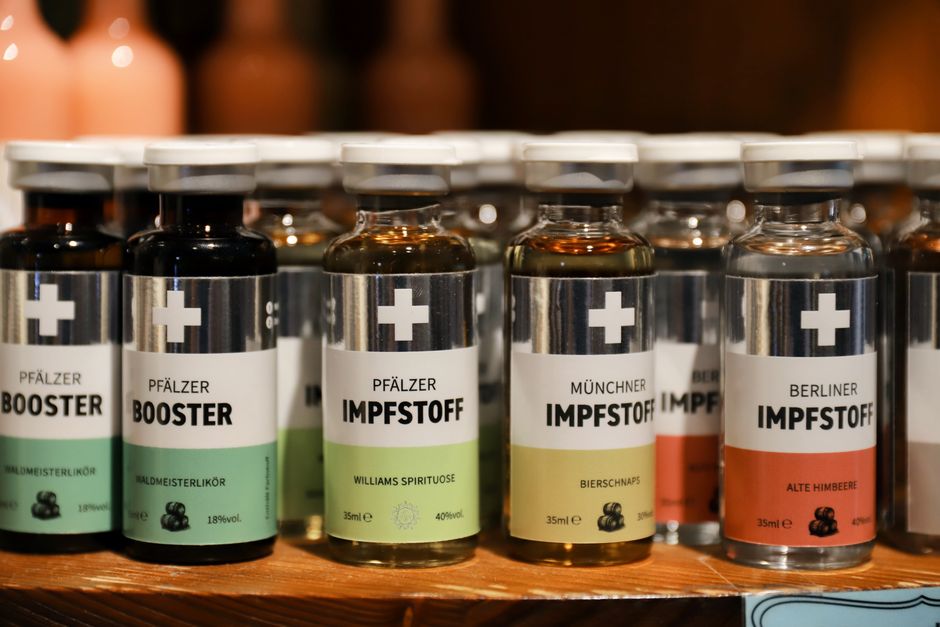
You got your vaccine and now a friend invites you for a drink. You pause. Is it safe? The short answer is yes, moderate drinking after most vaccines is unlikely to cause harm. But the longer answer involves your immune system, your recovery, and some real differences between vaccine types. Let’s look at what the evidence actually says.
Does Alcohol Interfere With How a Vaccine Works?
Yes, alcohol can affect your immune system. But the key question is how much and when. Research shows that chronic heavy drinking suppresses immune function. This is well established. The CDC notes that people with alcohol use disorders have higher rates of infections and poorer responses to vaccines.
For a single moderate drink after a vaccine, the evidence is much less concerning. Your immune system is complex. A vaccine triggers a cascade of responses that last days to weeks. A single beer or glass of wine is unlikely to disrupt that process in a healthy person.
The concern would be if you drank heavily right before or after vaccination. Heavy drinking in this context means multiple drinks in a short period or binge drinking. Some studies suggest this could blunt the immune response. But the data is not strong enough to say it definitely will for every person.
What Does Research on Alcohol After Vaccines Show?
Most of the research comes from studies on hepatitis B and rabies vaccines. A study published in the journal Vaccine looked at people who drank heavily before getting a hepatitis B vaccine. They found a weaker antibody response compared to non-drinkers. But this was about chronic heavy drinking, not one drink after the shot.
Another study on rabies vaccine found no difference in immune response between people who drank moderately and those who did not. This is reassuring. But rabies and COVID-19 vaccines work differently. So we cannot directly apply those findings.
For COVID-19 vaccines specifically, there is no large study that directly tested alcohol consumption after vaccination. The CDC and WHO do not list alcohol as a contraindication for any vaccine. That means there is no evidence that moderate drinking causes the vaccine to fail.
Does Drinking Increase Vaccine Side Effects?
This is where the answer gets a bit more practical. Alcohol can dehydrate you. Some vaccine side effects include headache, fatigue, and muscle aches. If you drink alcohol, especially more than one or two drinks, you might make these side effects worse.
Alcohol also interferes with sleep. Good sleep is important for your immune system to build a strong response. A study from the University of Chicago found that people who slept poorly after a vaccine had a weaker antibody response. So if you drink enough to disrupt your sleep, you might indirectly reduce your vaccine’s effectiveness.
There is no evidence that alcohol causes more severe allergic reactions or increases the risk of blood clots. Those rare side effects are linked to the vaccine itself, not to what you do afterward.

How Long Should You Wait to Drink After a Vaccine?
There is no official waiting period. The CDC has not issued any guidance on this. The WHO has not either. Most doctors will tell you it is fine to have a drink the same day as your vaccine as long as you feel well.
The practical advice is to wait until any immediate side effects have passed. If you feel feverish, achy, or have a headache, drinking will likely make you feel worse. Give your body 24 to 48 hours to respond to the vaccine before you drink.
For people getting the shingles vaccine or the flu vaccine, the same logic applies. The vaccines are different but the principle is the same. Your immune system needs to do its work without extra stress from alcohol.
| Vaccine Type | Typical Side Effects | Alcohol Risk |
|---|---|---|
| COVID-19 (mRNA) | Fatigue, headache, fever, muscle aches | Low if moderate. May worsen side effects. |
| Influenza (flu shot) | Sore arm, mild fatigue | Very low. Minimal interaction. |
| Shingles (Shingrix) | Fatigue, fever, muscle pain | Low. Same caution as COVID. |
| Hepatitis B | Sore arm, mild fatigue | Low. Chronic heavy drinking may reduce response. |
What About Different Types of Alcohol?
Beer, wine, and spirits all contain ethanol. That is the compound that affects your immune system. There is no evidence that one type is safer than another after a vaccine. A glass of wine is not better than a can of beer in this context.
Some people claim that alcohol kills viruses or bacteria in your body. This is false. Alcohol-based hand sanitizers kill germs on surfaces. Drinking alcohol does not kill pathogens inside your body. It is metabolized in your liver and does not reach high enough concentrations in your blood to act as an antiseptic.
If you choose to drink, stick to moderate amounts. That means one drink per day for women and two for men according to the Dietary Guidelines for Americans. Exceeding that does not help your immune system and may harm it.
Common Misconceptions About Alcohol and Vaccines
A viral myth claims that alcohol will “cancel out” the vaccine. This is not supported by any evidence. Your vaccine does not stop working because you had a drink. The immune response is not that fragile.
Another myth is that you should drink alcohol before a vaccine to “prepare” your immune system. This is dangerous. Alcohol before a vaccine has no benefit and may increase the risk of fainting or dizziness during the shot.
Some people believe that certain alcoholic drinks like red wine boost immunity. Red wine contains resveratrol, which has antioxidant properties in lab studies. But no study has shown that drinking red wine improves your vaccine response. The amount of resveratrol in a glass of wine is too small to have a measurable effect.
- Alcohol does not kill viruses in your body after a vaccine
- Moderate drinking does not cancel vaccine protection
- Heavy drinking may weaken your immune response
- No specific type of alcohol is safer than another
- Feeling unwell after your vaccine is a good reason to skip alcohol
What to Avoid When Drinking After a Vaccine
Avoid binge drinking. That means four or more drinks in two hours for women and five or more for men. Binge drinking stresses your immune system and your liver. It can also lead to poor decisions like forgetting to get your second dose on time.
Avoid drinking if you have a fever or feel very ill after your vaccine. Your body is working hard to build immunity. Adding alcohol to that situation can delay recovery. It will not harm the vaccine, but it will make you feel worse for longer.
Avoid mixing alcohol with pain relievers. Some people take ibuprofen or acetaminophen for vaccine side effects. Alcohol combined with acetaminophen can stress your liver. With ibuprofen, it increases the risk of stomach irritation. If you need pain relief, wait until the alcohol has cleared your system.
If you have a history of alcohol use disorder or a weakened immune system from medication or disease, talk to your doctor. The general advice about moderate drinking may not apply to you.
Frequently Asked Questions
Can I drink alcohol the same day as my vaccine?
Yes, moderate drinking on the same day is generally safe. Wait until any immediate side effects like dizziness or nausea have passed.
Will alcohol stop my vaccine from working?
No, a single drink will not stop your vaccine from working. Chronic heavy drinking may reduce your immune response over time.
How long should I wait to drink after a COVID-19 vaccine?
There is no official waiting period. Most doctors suggest waiting 24 to 48 hours if you have side effects like fever or fatigue.
Does drinking beer after a vaccine affect immunity?
Beer contains ethanol just like wine and spirits. Moderate amounts do not affect immunity. Heavy drinking may weaken your immune response.
