
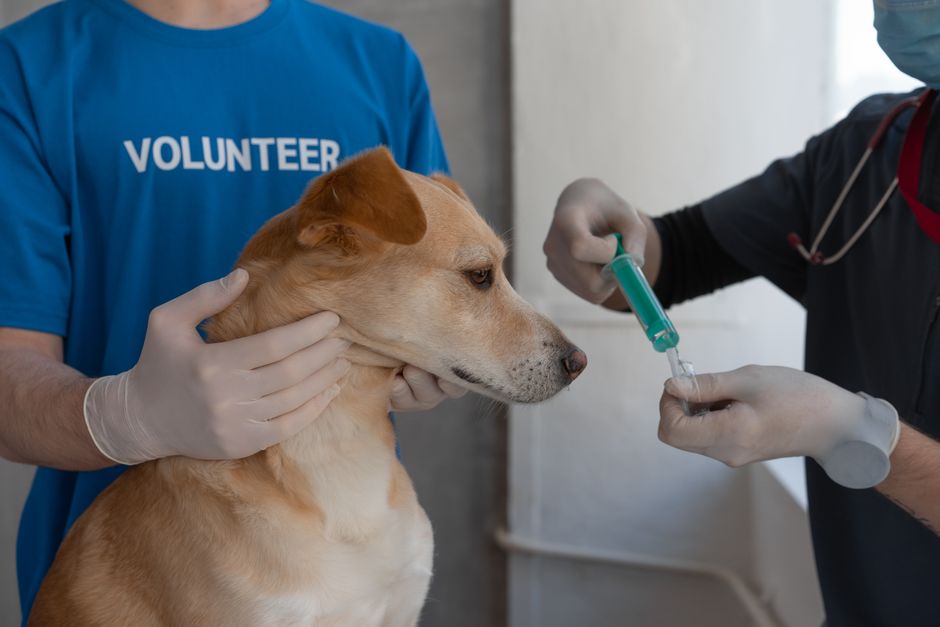
The rabies vaccine was first developed in 1885 by Louis Pasteur and Émile Roux, making it one of the oldest vaccines in medical history. Pasteur successfully tested it on a nine-year-old boy named Joseph Meister who had been bitten by a rabid dog, saving his life. This breakthrough marked the beginning of rabies prevention as we know it today.
When Did the Rabies Vaccine First Become Available to the Public?
After Pasteur’s successful test in 1885, the vaccine became available for emergency use within months. By 1886, Pasteur had treated over 350 people bitten by rabid animals at his laboratory in Paris. The treatment was not a single shot but a series of 14 injections given over several weeks.
The vaccine was not widely available to the general public right away. It required specialized production and trained medical staff to administer. Early clinics opened in France, Russia, and other European countries before spreading to the United States by the 1890s. The first rabies vaccination clinic in the US opened in New York City in 1890.
For most of the 20th century, the vaccine was only given after a bite occurred. This is called post-exposure prophylaxis. It was not until the 1970s and 1980s that pre-exposure vaccines became available for people at high risk, such as veterinarians and animal handlers.
How Did Pasteur Originally Create the Rabies Vaccine?
Pasteur did not know that rabies was caused by a virus — that discovery came later. He knew the infectious agent was in the spinal cord and brain of infected animals. His method involved drying spinal cords from rabid rabbits to weaken the pathogen.
He ground the dried spinal cord into a solution and injected it under the skin. Each injection used material dried for fewer days, meaning it was more potent. The first dose came from a cord dried for 15 days, and the final dose came from a cord dried for only one day. This gradual exposure trained the immune system without causing disease.
The process was crude by modern standards. Pasteur had no way to measure how much virus remained active. He relied on timing and observation. Despite this, his method worked for most patients. Research published in the journal Vaccine notes that Pasteur’s approach saved thousands of lives before modern cell-culture vaccines replaced it.
How Has the Rabies Vaccine Changed Since 1885?
The original vaccine was made from nerve tissue of infected animals. This caused serious side effects. The World Health Organization reports that up to 1 in 300 people who received the nerve-tissue vaccine developed severe neurological reactions, including paralysis and death.
Modern rabies vaccines are completely different. They are made from inactivated virus grown in cell cultures — either human cells or chicken embryo cells. These vaccines are much safer. The CDC states that severe allergic reactions occur in fewer than 1 in 10,000 doses.
The number of shots has also changed. Pasteur’s original series required 14 injections. The modern post-exposure regimen typically requires four shots over two weeks for people who have never been vaccinated. For those who have had the pre-exposure vaccine, only two shots are needed.





Does the Rabies Vaccine Work After a Bite?
Yes, but timing is critical. The rabies vaccine is extremely effective when given promptly after exposure. Studies published in the New England Journal of Medicine show that with proper treatment, rabies is nearly 100% preventable.
The key is to start treatment as soon as possible after the bite. The CDC recommends getting the first dose within 24 hours. Delays of more than a few days reduce effectiveness. Once symptoms of rabies appear, the disease is almost always fatal. There is no cure at that point.
The vaccine works by giving your immune system a head start. Rabies travels slowly along nerves to the brain. The vaccine trains your body to produce antibodies that intercept the virus before it reaches the central nervous system. This is why the vaccine is effective even after exposure — it buys time for your immune system to respond.
What Are the Side Effects of the Rabies Vaccine?
The modern rabies vaccine is very safe. The most common side effects are mild and short-lived. These include soreness at the injection site, headache, nausea, and mild fever. About 30% to 70% of people report some injection-site pain, according to the CDC.
Serious side effects are rare. Allergic reactions such as hives or difficulty breathing occur in about 1 in 10,000 doses. There is no evidence that the modern cell-culture vaccine causes the neurological problems seen with the old nerve-tissue vaccine.
Some people worry about getting the vaccine during pregnancy. The CDC states that rabies vaccine is safe for pregnant women. Rabies infection is fatal, so the risk of the disease far outweighs any theoretical risk from the vaccine. The same guidance applies to people with weakened immune systems.
When Did the Rabies Vaccine Come Out for Animals?
The first rabies vaccine for dogs was developed in the 1920s, about 40 years after the human vaccine. It was not until the 1950s that effective animal vaccines became widely available. The oral rabies vaccine for wildlife, used to control the disease in raccoons and foxes, was developed in the 1970s.
Vaccinating animals is the most effective way to prevent rabies in humans. The World Health Organization estimates that mass dog vaccination programs have reduced human rabies deaths by over 90% in some regions. In the United States, rabies in dogs has declined from thousands of cases per year in the 1940s to fewer than 100 cases per year today.
The first rabies vaccine for cats came later than the dog vaccine. Feline rabies vaccines became available in the 1940s and 1950s. Today, rabies vaccination is required by law for dogs and cats in most US states.
Common Misconceptions About the Rabies Vaccine
Myth: You only need the vaccine if the animal looks sick. This is false. Rabid animals can spread the virus before showing any symptoms. The CDC reports that animals can shed the virus in their saliva for several days before they appear ill.
Myth: The vaccine is 14 painful shots in the stomach. This is outdated. The old nerve-tissue vaccine was given in the abdomen. The modern vaccine is given in the arm muscle, just like a flu shot. The full series is four shots over two weeks.
Myth: If you get the vaccine once, you are protected forever. This is not true. The rabies vaccine provides protection for about two years. People at ongoing risk, like veterinarians, need booster doses every two years or as recommended by their doctor.
What to Avoid When Considering Rabies Vaccination
Do not wait to see if the animal develops symptoms. Rabies has an incubation period that can last weeks or months. By the time symptoms appear, it is too late for the vaccine to work. Seek medical care immediately after any animal bite, especially from a wild animal or unvaccinated pet.
Do not rely on home remedies. Some online sources suggest washing the wound with soap and water is enough. Washing is important — the CDC says it can reduce the risk of infection by up to 90% — but it is not a substitute for vaccination. You still need the vaccine after washing.
Do not skip the full series. Some people stop after the first shot because they feel fine. The full series is necessary to ensure your immune system produces enough antibodies. Stopping early leaves you at risk.
| Vaccine Type | Year Introduced | Number of Shots | Safety Profile |
|---|---|---|---|
| Pasteur’s nerve-tissue vaccine | 1885 | 14 injections | High risk of neurological side effects |
| Modern cell-culture vaccine | 1970s-1980s | 4 injections (post-exposure) | Very safe, rare side effects |
| Oral wildlife vaccine | 1970s | Oral bait | Safe for animals and environment |
Frequently Asked Questions
How many rabies vaccine shots do I need after a bite?
You need four shots over two weeks if you have never been vaccinated, or two shots if you have had the pre-exposure vaccine.
Can I get rabies from the vaccine itself?
No, the modern rabies vaccine contains inactivated virus that cannot cause disease.
How long does the rabies vaccine last?
The vaccine provides protection for about two years, after which booster doses may be needed for people at ongoing risk.
Is the rabies vaccine safe during pregnancy?
Yes, the CDC considers the rabies vaccine safe during pregnancy because the risk of rabies infection is fatal.
