
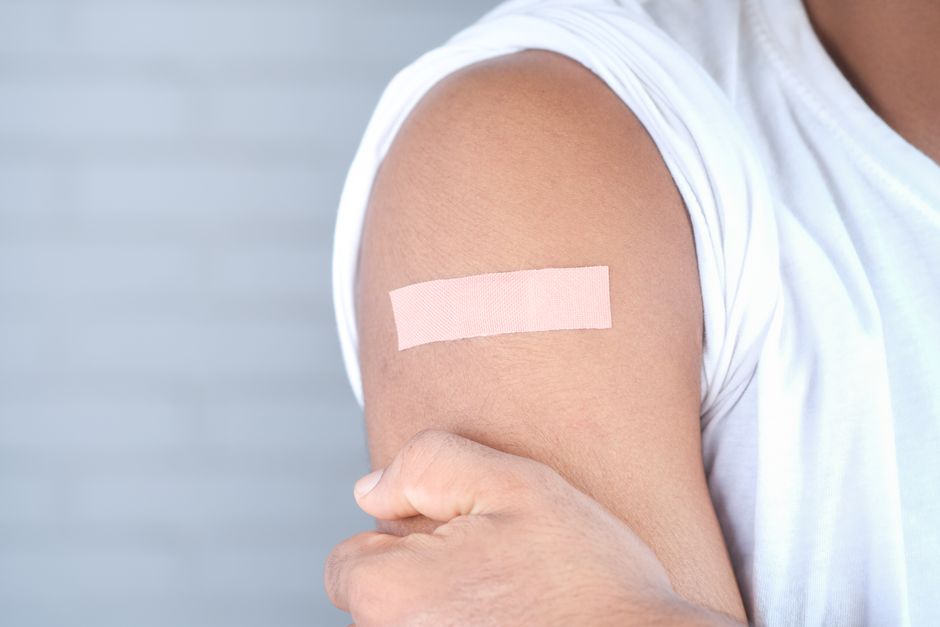
The MMR vaccine is a live attenuated vaccine, meaning it contains a weakened form of the measles, mumps, and rubella viruses. It is highly effective at preventing these three serious diseases. Most people should get it. But there are specific groups who need to skip or delay it, including pregnant women and people with severely weakened immune systems.
Is the MMR Vaccine a Live Vaccine?
Yes. The MMR vaccine is what doctors call a live attenuated vaccine. “Live” means it contains a version of the virus that is still alive. “Attenuated” means the virus has been weakened in a lab so it cannot cause disease in a healthy person.
The measles, mumps, and rubella viruses in the shot are all weakened. They are designed to trigger your immune system to build protection. Your body learns to recognize and fight these viruses without you getting sick from them.
This is different from inactivated vaccines, which use killed viruses. Examples of inactivated vaccines include the flu shot and the polio shot. Live vaccines generally create a stronger and longer-lasting immune response. The CDC states that two doses of MMR are about 97% effective at preventing measles.
What Are the Effects of the MMR Vaccine?
The effects of the MMR vaccine are well documented. The most common effect is protection. After vaccination, your body produces antibodies that fight measles, mumps, and rubella. This protection lasts for decades in most people.
Side effects are usually mild and temporary. They include soreness at the injection site, a low fever, and a mild rash. These happen because your immune system is working. Some people, mostly children, may develop a temporary fever about 7 to 12 days after the shot. This is normal.
Serious side effects are very rare. Research published in the Journal of the American Medical Association has consistently shown that the MMR vaccine is safe. The risk of a severe allergic reaction is less than one in a million doses. The risk of a febrile seizure from the fever is also extremely low and does not cause long-term harm.
The most important effect to understand is what the vaccine prevents. Measles can cause pneumonia, brain swelling, and death. Mumps can cause deafness and swelling of the testicles or ovaries. Rubella in a pregnant woman can cause severe birth defects. The vaccine prevents these outcomes.
Who Should Skip the MMR Vaccine?
The CDC provides clear guidelines on who should not get the MMR vaccine. These are based on real risks, not theories. The groups are specific and limited.
Pregnant women should not get the MMR vaccine. There is no evidence the vaccine causes harm to the fetus. But because it is a live vaccine, doctors recommend waiting until after delivery. Women should avoid becoming pregnant for at least four weeks after the shot.
People with severely weakened immune systems should skip it. This includes people undergoing chemotherapy, organ transplant recipients on immunosuppressive drugs, and people with advanced HIV/AIDS. A live vaccine can cause serious infection in someone whose immune system cannot control even a weakened virus.
People who have had a severe allergic reaction to a previous dose of MMR or to any of its components should not get it. The vaccine contains gelatin and the antibiotic neomycin. If you have a known anaphylactic reaction to these, you should skip the vaccine.





Frequently Asked Questions
Can adults get the MMR vaccine?
Yes. Adults born after 1957 who have not been vaccinated or had the diseases should get at least one dose. People at higher risk, such as healthcare workers and international travelers, need two doses.
Does the MMR vaccine cause autism?
No. This claim comes from a 1998 study that was retracted and found to be fraudulent. Dozens of large studies involving millions of children have found no link between MMR and autism.
Can you get measles from the MMR vaccine?
No. The viruses in the vaccine are weakened and cannot cause measles in healthy people. Some people get a mild rash or fever, but that is not the disease.
What Does Research on the MMR Vaccine Show?
Decades of research support the safety and effectiveness of the MMR vaccine. A 2019 study in the Annals of Internal Medicine looked at over 650,000 children. It found no link between MMR and autism. This confirmed what earlier studies had already shown.
Research from the CDC shows that before the vaccine, measles caused about 450 deaths and 48,000 hospitalizations each year in the United States. After widespread vaccination, measles was declared eliminated in the U.S. in 2000. Cases now come from unvaccinated travelers bringing the virus back from other countries.
A study published in the New England Journal of Medicine tracked MMR effectiveness during outbreaks. It found that two doses of the vaccine were 96% effective at preventing measles. One dose was 93% effective. This is why the two-dose schedule is recommended.
Evidence also shows that the vaccine protects communities. When vaccination rates drop below 95%, outbreaks can happen. This is called herd immunity. It protects people who cannot get the vaccine, like infants and those with weakened immune systems.
What Are the Common Misconceptions About MMR?
There is a lot of misinformation about the MMR vaccine. One common myth is that natural immunity is better than vaccine immunity. Natural infection with measles does give lifelong immunity. But it also carries a real risk of pneumonia, encephalitis, and death. The vaccine gives protection without those risks.
Another myth is that getting MMR at the same time as other vaccines overloads the immune system. This is not true. The immune system handles thousands of antigens every day from food and the environment. The MMR vaccine contains a tiny fraction of that load. Studies have found no harm from giving MMR with other routine vaccines.
Some people believe the vaccine contains harmful ingredients like mercury. The MMR vaccine has never contained thimerosal, a mercury-based preservative. That is a different vaccine issue entirely. The MMR is thimerosal-free.
There is also a claim that the vaccine causes autoimmune diseases. Large population studies have not found any link between MMR and conditions like type 1 diabetes or multiple sclerosis. The evidence does not support this claim.
How Do MMR Side Effects Compare to the Diseases?
It helps to look at the risks side by side. The table below compares common side effects of the vaccine to the actual diseases.
| Symptom | MMR Vaccine Risk | Measles Risk | Mumps Risk | Rubella Risk |
|---|---|---|---|---|
| Fever | 5-15% (mild, temporary) | Very common (high fever) | Common | Common (low fever) |
| Rash | 5% (mild, temporary) | Common (full body rash) | Rare | Common (pink rash) |
| Swollen glands | Rare | Common | Very common | Common |
| Joint pain | Rare (more in adult women) | Rare | Common | Common (adults) |
| Serious complication | Extremely rare (1 in 1 million) | Pneumonia, encephalitis, death | Deafness, meningitis | Birth defects in pregnancy |
The vaccine side effects are mild and temporary. The disease complications are severe and permanent. This comparison is not a matter of opinion. It is based on decades of clinical data from the CDC and the World Health Organization.
What Should You Do If You Are Unsure?
If you are unsure about the MMR vaccine, talk to your doctor. They can review your medical history and tell you if you fall into one of the small groups that should skip it. Most people do not.
You can also check your vaccination records. If you were born before 1957, you are likely immune from natural infection. If you were born after 1957 and have not had two doses of MMR, you may need a booster. A blood test can check your immunity levels.
If you are traveling internationally, the CDC recommends MMR for anyone over 6 months old who will be in an area with measles. Measles is still common in many parts of the world. Outbreaks happen in the U.S. every year, usually from unvaccinated travelers.
The decision to vaccinate is a personal one. But the evidence is clear. The MMR vaccine is safe, effective, and the best way to protect yourself and your community from three serious diseases. If you have questions, ask your doctor. Do not rely on social media or unverified sources for medical advice.
