
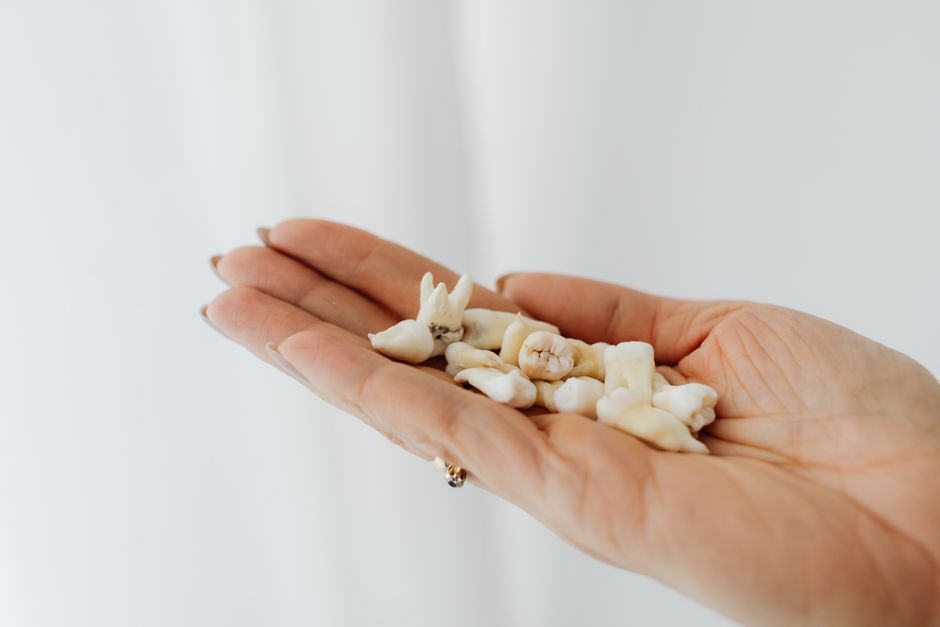
Wisdom teeth are the last set of molars to develop, usually appearing in the late teens or early twenties. Their original purpose was to help early humans chew a rough diet of raw plants, nuts, and meat. Today, they are often considered vestigial — body parts that evolution has left behind. But that doesn’t mean they are useless. They can still function as teeth when they erupt properly and stay healthy.
What Is The Point Of Wisdom Teeth?
Wisdom teeth — also called third molars — were essential for our ancestors. Early human diets included coarse, abrasive foods that wore down teeth quickly. A third set of molars provided a replacement surface for grinding. They also helped fill gaps left by tooth loss, which was common before modern dentistry.
As human diets changed and jaws became smaller, wisdom teeth became less necessary. Many people today don’t have enough room for them. When they can’t erupt normally, they may become impacted. That doesn’t mean wisdom teeth are pointless. They still serve as functional molars in some people. The problem is that their usefulness depends on whether they fit and whether they stay healthy.
So what is the point? In short: they were once a survival advantage. Now, they are a biological leftover that sometimes works and sometimes causes trouble.
Why Do We Have Wisdom Teeth If They Cause Problems?
Evolution doesn’t plan ahead. Wisdom teeth exist because our ancestors needed them. Natural selection favored individuals with more grinding surface. As long as they didn’t cause fatal problems, the trait persisted.
Impaction and infection are not new. But they rarely killed people before reproductive age. So evolution had little reason to eliminate third molars. Modern dentistry can now manage problems that would have gone untreated in the past. That’s why we notice them more — not because they are new, but because we can do something about them.
Some researchers argue that smaller jaws and softer diets have made wisdom teeth more problematic. This is a well-established observation, though the exact genetic and environmental causes are still studied. The takeaway: wisdom teeth aren’t a design flaw. They’re a mismatch between ancient anatomy and modern conditions.
When Do Wisdom Teeth Usually Come In?
Wisdom teeth typically emerge between ages 17 and 25. That’s why they’re called “wisdom” teeth — they appear when a person is older and supposedly wiser. The age range varies. Some people get them earlier, some later, and some never develop them at all.
Not everyone has four wisdom teeth. Some have fewer, and a small percentage have none. The number can vary from person to person. There is no standard timeline that applies to everyone. If you’re in your late teens or early twenties, your dentist may monitor them with X-rays to see if they are developing normally.
Eruption doesn’t always mean problems. A wisdom tooth that comes in straight, has enough room, and can be cleaned properly may not need removal. The key is whether it can function without causing harm to nearby teeth or gums.




What Happens When Wisdom Teeth Don’t Have Room?
When a wisdom tooth can’t fully erupt, it becomes impacted. This means it’s trapped in the jawbone or gums. Impacted teeth can grow at an angle, push against other teeth, or stay completely buried. Impacted wisdom teeth are common — many people have at least one.
Impacted teeth don’t always cause symptoms. Some people have them for years without knowing. But they can lead to problems:
- Pain or swelling in the back of the mouth
- Damage to adjacent molars, including cavities or root damage
- Gum disease around the partially erupted tooth
- Cysts or, rarely, tumors in the jaw
Not every impacted tooth needs to be removed. Some dentists recommend removal to prevent future problems. Others take a wait-and-see approach if the tooth isn’t causing issues. The evidence on when to remove asymptomatic impacted wisdom teeth is mixed. Some studies suggest early removal prevents complications. Others show that many impacted teeth never cause problems. This is a decision best made with a dentist who can assess your specific situation.
Do Wisdom Teeth Always Need To Be Removed?
No. Wisdom teeth only need removal if they cause problems or are likely to. Healthy, fully erupted wisdom teeth that don’t damage neighbors can stay. They can even be useful for chewing.
Removal is typically recommended when:
- The tooth is impacted and causing pain or infection
- It’s damaging an adjacent tooth
- It’s partially erupted and hard to clean, leading to decay or gum disease
- There’s a cyst or other pathology
Some dentists recommend removing wisdom teeth early, before roots fully form, because the surgery is easier and recovery is faster. This is common clinical practice but not universally supported by strong evidence for all cases. The decision depends on your age, the position of the tooth, and your overall health.
If you’re told you need your wisdom teeth out, it’s reasonable to ask why. Not all wisdom teeth are troublemakers. A second opinion can help if you’re unsure.
What Does Recovery From Wisdom Tooth Removal Look Like?
Recovery varies. Most people experience swelling, mild pain, and some bleeding for a few days. Ice packs and prescribed or over-the-counter pain relievers can help. Soft foods are usually recommended for the first day or two.
Complications are uncommon but possible. Dry socket — when the blood clot dislodges — is the most common. It causes intense pain and needs treatment. Infection, nerve damage, and sinus problems are rare but can occur. Following your dentist’s aftercare instructions reduces these risks.
Healing time depends on the complexity of the extraction. Simple removals may heal in a week. Surgical removals can take longer. Most people return to normal activities within a few days, though strenuous exercise may need to wait a bit longer.
There is no single timeline that fits everyone. If you have persistent pain, fever, or numbness, contact your dentist.
Are Wisdom Teeth Ever Useful Today?
Yes, sometimes. If they erupt fully and are healthy, wisdom teeth can serve as normal molars. They can help with chewing and don’t need special care beyond regular brushing and flossing.
In rare cases, wisdom teeth can be used as replacement teeth if another molar is lost. But this is not common. More often, they are removed because they cause more trouble than they’re worth.
From an evolutionary standpoint, wisdom teeth are a remnant. But from a practical standpoint, they are only a problem when they don’t fit or stay clean. If they do, they can be just as useful as any other tooth.
What Should You Do If You Have Wisdom Teeth?
If your wisdom teeth have come in without issues, you may not need to do anything special. Regular dental checkups and X-rays can monitor them. If they are impacted or causing symptoms, talk to your dentist about options.
Don’t ignore pain or swelling in the back of your mouth. It could be a sign of infection or decay. Early treatment is usually simpler.
There is no one-size-fits-all answer. Some people keep their wisdom teeth for life. Others have them removed in their teens or twenties. The right choice depends on your individual situation — your jaw size, the position of the teeth, and your overall dental health.
Frequently Asked Questions
What is the point of wisdom teeth if we don’t need them?
They were once useful for grinding tough, coarse foods when early humans lost teeth. Today they are vestigial, but they can still function as normal molars if they erupt properly.
Do all wisdom teeth need to be removed?
No. Only remove them if they cause problems like impaction, infection, or damage to nearby teeth. Healthy, fully erupted wisdom teeth can stay.
At what age do wisdom teeth usually come in?
Most people get them between ages 17 and 25. The timing varies, and some people never develop them at all.
Can wisdom teeth be useful for chewing?
Yes, if they come in straight and are healthy. They can work like any other molar and help with chewing.
