
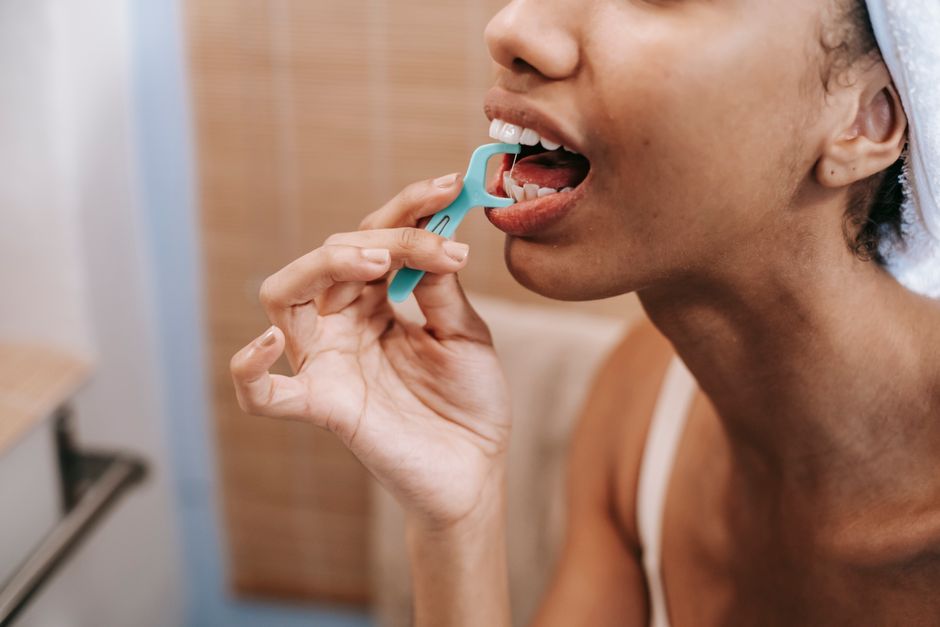
You can polish your teeth at home without damaging enamel by using a soft-bristled toothbrush with a gentle polishing toothpaste, avoiding abrasive ingredients like charcoal or baking soda, and never using DIY methods like lemon juice or strawberry mash. The key is to remove surface stains from plaque and food particles — not to scrub the enamel itself. Enamel does not grow back, so protecting it matters more than whitening it.
Does At-Home Teeth Polishing Actually Work?
At-home polishing can remove some surface stains. It will not make your teeth dramatically whiter or change their natural color. Professional polishing at a dentist’s office uses special tools and pastes that are stronger but still safe when used correctly.
Research published in the Journal of the American Dental Association shows that most at-home polishing methods only affect the outer layer of stain on your teeth. Deep stains from aging, medications, or injury need professional treatments. If your teeth are naturally yellow or gray, polishing at home will not change that.
Some people report seeing a difference after a few weeks of consistent gentle polishing. This is widely claimed though strong evidence is limited on how much change is possible without professional products.
What Does Research on How To Polish Teeth At Home Without Damaging Enamel Show?
Studies have found that enamel hardness is about the same as the mineral apatite. It is strong but not indestructible. The American Dental Association warns that any abrasive substance can wear down enamel over time if used too often or with too much pressure.
Research in the journal Caries Research measured how different toothpastes affect enamel. They found that toothpastes with a Relative Dentin Abrasivity (RDA) value above 200 can cause measurable enamel loss with regular use. Most standard toothpastes have an RDA between 70 and 100. Whitening toothpastes can range from 100 to 200. The safest option for daily polishing is a toothpaste with an RDA under 150.
Some studies suggest that certain polishing agents like silica and calcium carbonate are effective at removing stains without damaging enamel when used correctly. The particle size matters. Smaller particles are gentler. Larger particles scratch the surface.
What Are the Side Effects of Polishing Teeth at Home?
The most common side effect is enamel erosion. This happens when you use abrasive products too often or brush too hard. Enamel erosion causes tooth sensitivity to hot and cold foods. It also makes teeth look yellower because the dentin underneath shows through.
Gum irritation is another side effect. Harsh polishing pastes or aggressive brushing can inflame your gums. This can lead to gum recession over time. Receded gums do not grow back.
Some people develop tooth sensitivity after using whitening or polishing products. This is usually temporary but can last for days or weeks. If sensitivity persists, stop using the product and see your dentist.
A less common but serious side effect is damage to dental work. Crowns, veneers, and fillings can be scratched or dulled by abrasive polishing pastes. These materials do not respond the same way as natural enamel.




Which At-Home Polishing Methods Are Safest?
The safest method is using a toothpaste specifically designed for polishing with an RDA value under 150. Look for ingredients like hydrated silica or calcium carbonate. Avoid toothpastes with charcoal, baking soda, or pumice listed near the top of the ingredient list.
Electric toothbrushes with a pressure sensor are safer than manual brushing for polishing. They prevent you from brushing too hard. The American Dental Association recommends using a soft-bristled brush for all brushing, including polishing.
Here is a quick comparison of common at-home polishing methods:
| Method | Safety Level | Effectiveness | Notes |
|---|---|---|---|
| Standard fluoride toothpaste (RDA 70-100) | High | Low for stains | Best for daily use |
| Whitening toothpaste (RDA 100-200) | Moderate | Moderate | Use 2-3 times per week maximum |
| Baking soda paste | Low | Moderate | Too abrasive for regular use |
| Charcoal powder | Low | Low | Can damage enamel and gums |
| Professional polishing paste (from dentist) | High | High | Only use as directed by your dentist |
What Polishing Methods Should You Avoid?
Avoid any method that uses acid. Lemon juice, vinegar, and strawberry mash are popular online remedies. They are dangerous for your teeth. Acid softens enamel temporarily. Brushing after acid exposure removes enamel quickly. The Journal of Dentistry published research showing that even brief exposure to citric acid causes significant enamel softening.
Do not use baking soda as a toothpaste substitute. It has an RDA value around 200. That is high enough to wear down enamel with regular use. Some people report that baking soda makes their teeth feel cleaner. This is likely because it is removing a thin layer of enamel along with the stain.
Avoid charcoal powders. The American Dental Association has not approved any charcoal toothpaste for safety or effectiveness. Charcoal particles are often too large and irregularly shaped. They scratch enamel rather than polishing it. Charcoal also does not contain fluoride, which is essential for preventing cavities.
Do not use abrasive tools like dental scrapers or metal picks at home. These are meant for professional use only. They can cut your gums, damage enamel, and push bacteria deeper into your gums.
How Often Should You Polish Your Teeth at Home?
Once per week is the maximum frequency recommended by most dental professionals for at-home polishing. Even then, only if you use a gentle method. For most people, once every two weeks is enough to maintain results without risking enamel damage.
Daily brushing with a standard fluoride toothpaste is already providing mild polishing. You do not need to add extra polishing steps on top of that. The CDC reports that nearly half of US adults have some form of gum disease. Overbrushing and overpolishing can make this worse by irritating gums.
If you drink coffee, tea, or red wine regularly, you may notice stains building up faster. In that case, rinsing your mouth with water after consuming these drinks can help reduce staining without any abrasive action. This is a safer alternative to polishing more often.
Your dentist can tell you how much polishing your teeth actually need based on your specific enamel thickness and stain level. Some people have naturally thinner enamel and should never polish at home.
Practical Steps for Safe At-Home Polishing
Start with a clean mouth. Brush and floss normally first. This removes food particles and plaque so the polishing paste can work on stains directly.
Apply a small amount of polishing toothpaste to a soft-bristled brush. Use gentle circular motions for no more than two minutes. Do not press hard. Let the toothpaste do the work.
Rinse thoroughly with water. Spit out all residue. Do not swallow any polishing paste. Some ingredients are not meant to be ingested.
Wait at least 30 minutes before eating or drinking anything acidic. This gives your enamel time to reharden after brushing. The American Dental Association recommends this waiting period for all brushing, not just polishing.
Consider using a fluoride mouthwash after polishing. Fluoride helps remineralize enamel and can offset minor wear from polishing. This is especially important if you polish more than once per week.
Track how your teeth feel. If you notice increased sensitivity or a rough texture, stop polishing and see your dentist. These are early signs of enamel damage.
Frequently Asked Questions
Can baking soda damage my enamel?
Yes, baking soda is abrasive enough to wear down enamel if used regularly. The American Dental Association considers it too harsh for daily tooth polishing.
How do I know if my toothpaste is too abrasive?
Check the RDA value on the packaging or the manufacturer’s website. Any value above 150 is too abrasive for regular daily use. Most standard toothpastes are between 70 and 100.
Is it safe to use an electric toothbrush for polishing?
Yes, electric toothbrushes with pressure sensors are safer than manual brushing for polishing. They prevent you from applying too much force, which protects enamel.
Can I reverse enamel damage from polishing?
No, enamel does not regrow once it is lost. You can only prevent further damage. Fluoride treatments can strengthen remaining enamel but cannot rebuild what is gone.
