
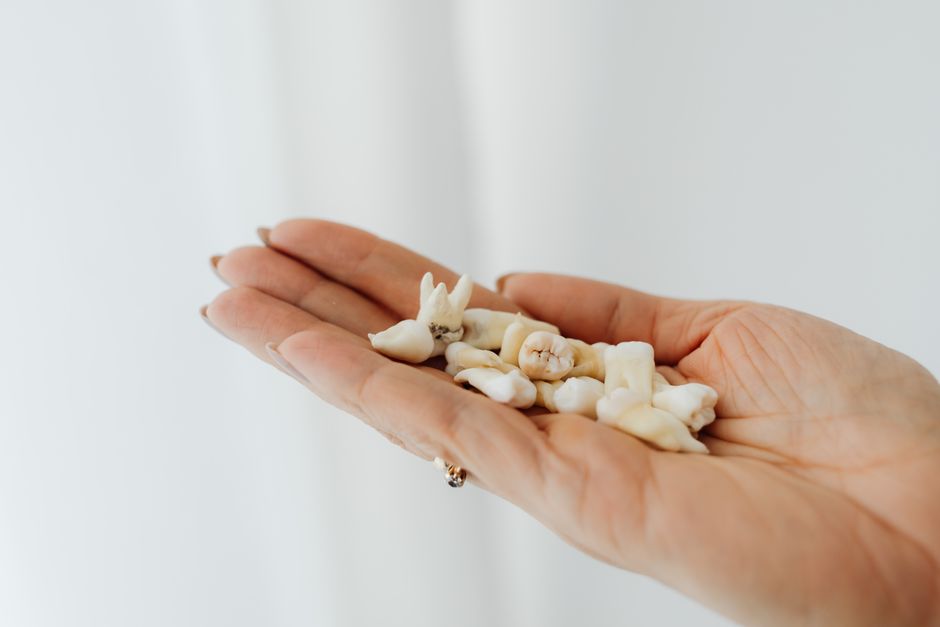
Yes, wisdom teeth can cause headaches. The connection is real, though it is not as direct as you might think. Your wisdom teeth do not send pain signals to your head on their own. What happens is that impacted or infected wisdom teeth create problems in your jaw, muscles, and sinuses that trigger headache pain. The American Dental Association has noted that impacted wisdom teeth are a known source of referred pain, meaning the pain shows up somewhere other than where the problem actually is. If you have headaches that keep coming back and you still have your wisdom teeth, it is worth looking at your mouth as a possible cause.
How Do Wisdom Teeth Trigger Headaches?
Wisdom teeth cause headaches through several direct physical mechanisms. The most common is pressure. When wisdom teeth do not have enough room to come in properly, they push against your other teeth and the surrounding bone. This pressure travels through your jawbone and into the nerves that connect to your head and neck. Research published in the Journal of Oral and Maxillofacial Surgery found that impacted wisdom teeth are a frequent cause of tension-type headaches because the constant pressure keeps the jaw muscles tight.
Another mechanism is inflammation. When a wisdom tooth is partially erupted, bacteria can get under the gum tissue and cause an infection called pericoronitis. This infection causes swelling that spreads into the muscles of your jaw and up into your temples. The inflammation irritates the trigeminal nerve, which is the main nerve responsible for facial sensation and headache pain. Studies have shown that irritation of the trigeminal nerve can trigger migraine-like symptoms in some people.
The third mechanism involves your bite. Wisdom teeth that come in at an angle can change how your upper and lower teeth fit together. This shifts how your jaw muscles work when you chew or even when you rest. Your muscles have to work harder to keep your jaw aligned, and that extra effort causes muscle fatigue and tension headaches. The headache often starts in the temples or the back of the head and spreads forward.
What Type of Headaches Do Wisdom Teeth Cause?
The most common headache type linked to wisdom teeth is the tension headache. You feel a dull, steady ache on both sides of your head, often with tightness in your forehead or the back of your neck. The pain is mild to moderate and can last for hours or even days. Tension headaches from wisdom teeth usually get worse as the day goes on because your jaw muscles get more tired.
Some people experience migraine-like headaches from wisdom teeth. These are different from tension headaches. They tend to be on one side of the head, more intense, and often come with sensitivity to light or sound. The trigeminal nerve connection is the reason for this. When an impacted wisdom tooth irritates this nerve, it can trigger the same pathway that causes migraines. The American Migraine Foundation has acknowledged that dental problems, including impacted wisdom teeth, can be a trigger for migraine attacks in some patients.
Referred pain is also common. You might feel pain in your ear, your temple, or even your eye on the same side as the problem tooth. This happens because the nerves that serve your teeth also serve other parts of your head. Your brain gets confused about where the pain signal is coming from. You treat the headache, but the real problem is still in your mouth.
How Can You Tell If Your Headache Is From Wisdom Teeth?
There are several signs that point to wisdom teeth as the cause of your headaches. The most obvious is pain in the back of your mouth. If you have tenderness, swelling, or redness behind your last molars, that is a strong clue. You may also have jaw pain that makes it hard to open your mouth wide or chew on that side.
The location of the headache matters. Wisdom teeth headaches are often felt in the temples, behind the eyes, or at the base of the skull. If your headache starts in these areas and you also notice that your jaw clicks or pops when you open your mouth, the connection becomes more likely. Bad breath or a bad taste in your mouth can also signal an infected wisdom tooth that may be causing your headache.
A simple test is to press gently on the gum tissue behind your last molar. If that area is tender and pressing on it makes your headache worse, that is a strong sign the two are connected. You can also pay attention to when the headache happens. If it gets worse when you chew, clench your jaw, or grind your teeth at night, your wisdom teeth may be the cause.





What Does the Research Say About Wisdom Teeth and Headaches?
The research is clear that wisdom teeth can cause headaches, but it is not the most common cause. A study published in the Journal of Dental Research looked at over 1,000 patients with chronic headaches. About 12 percent of them had dental problems that were likely causing or contributing to their headaches. Impacted wisdom teeth were one of the top dental causes identified in that study.
Research from the Mayo Clinic has documented cases where patients with chronic daily headaches saw complete relief after having their wisdom teeth removed. These were cases where no other cause of headache could be found. The headaches stopped within days of the extraction and did not return during the follow-up period. This kind of evidence is strong because it shows a clear cause-and-effect relationship.
However, it is important to be honest about the limits of the research. There are no large randomized controlled trials on this specific question. Most of the evidence comes from case reports and observational studies. The connection is well-established enough that dentists and oral surgeons routinely ask about headaches when evaluating wisdom teeth. But it is not as well-studied as other headache causes like stress or sleep problems.
When Should You See a Dentist About Your Headaches?
You should see a dentist if your headaches are happening regularly and you still have your wisdom teeth. The standard recommendation is to have a dental exam that includes X-rays. A panoramic X-ray shows all your wisdom teeth and whether they are impacted, angled, or growing in a way that could cause problems. Your dentist can see if there is crowding, infection, or pressure on the surrounding bone.
Do not expect your dentist to immediately say your headaches are from wisdom teeth. A good dentist will look for other causes first. They will check for cavities, gum disease, and problems with your bite. If everything else looks fine and your wisdom teeth are clearly problematic, then the headaches become a more likely connection.
If your dentist recommends removing your wisdom teeth for headache relief, it is reasonable to ask for a second opinion. Oral surgery is not minor. It comes with its own risks including pain, swelling, infection, and in rare cases nerve damage. The decision should be based on clear evidence that your wisdom teeth are the problem, not just a guess. Many oral surgeons will only recommend extraction if there is visible impaction, infection, or damage to adjacent teeth.
| Symptom | Likely From Wisdom Teeth | Likely From Other Cause |
|---|---|---|
| Pain behind last molars | Yes | No |
| Headache with jaw clicking | Yes | Possible |
| Migraine with visual aura | Less likely | Yes |
| Headache worse when chewing | Yes | Possible |
| Headache that wakes you at night | Possible | Yes |
What Are Your Options If Wisdom Teeth Are Causing Headaches?
The main treatment is removal of the wisdom teeth. This is the only way to permanently stop the pressure, inflammation, and bite problems that cause the headaches. Many people report that their headaches go away within a few days to a week after extraction. The relief comes as the swelling goes down and your jaw muscles relax.
There are temporary options if you are not ready for surgery or if surgery is not recommended. Anti-inflammatory medications like ibuprofen can reduce the swelling around an impacted tooth and ease the headache for a few hours. Ice packs on your jaw can also help by numbing the area and reducing inflammation. Some people find that eating soft foods and avoiding chewing on the affected side gives their jaw muscles a break and reduces headache frequency.
If infection is the cause, antibiotics can clear it up and stop the headaches. But this is a temporary fix. The infection will come back as long as the wisdom tooth is still partially covered by gum tissue. Antibiotics are usually used to control an active infection before surgery, not as a long-term solution.
A mouthguard can help if your headaches are caused by clenching or grinding your teeth at night. This is called bruxism, and it is more common in people with impacted wisdom teeth because the bite is unstable. A custom-fitted mouthguard from your dentist can prevent your jaw muscles from overworking while you sleep. This can reduce tension headaches even if you keep your wisdom teeth.
Frequently Asked Questions
Can wisdom teeth cause headaches on one side only?
Yes. A single impacted wisdom tooth on one side of your mouth can cause a headache only on that same side of your head.
How long after wisdom tooth removal do headaches stop?
Most people notice headache relief within three to seven days after the extraction as the swelling and muscle tension go down.
Can wisdom teeth cause migraines?
Yes, some research and clinical reports show that impacted wisdom teeth can trigger migraine attacks through irritation of the trigeminal nerve.
Do all impacted wisdom teeth cause headaches?
No, many people have impacted wisdom teeth with no headaches at all. It depends on the angle of impaction and whether there is infection or pressure on surrounding structures.
