
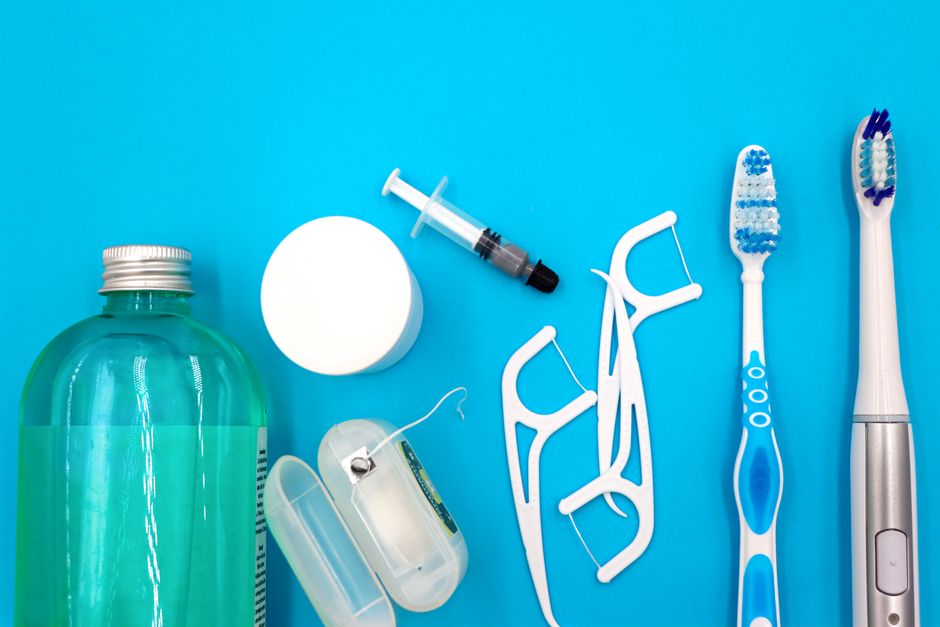
Plaque between your teeth is the main cause of cavities and gum disease. The best tools to remove it are dental floss, interdental brushes, and water flossers. Each works differently, and research shows that the best tool is the one you will actually use every day.
Why Plaque Builds Up Between Teeth
Plaque is a sticky film of bacteria that forms on teeth constantly. It feeds on sugar and starch from food. When you eat, bacteria in plaque produce acid. That acid attacks tooth enamel and irritates gums.
Your toothbrush cleans about 60 percent of tooth surfaces. It cannot reach the tight spaces between teeth. Those gaps are where plaque hides and turns into tartar. Tartar is hardened plaque that only a dentist can remove.
The American Dental Association states that brushing alone is not enough. Interdental cleaning is a necessary part of daily oral care. Without it, plaque stays in those spaces for hours or days.
How To Remove Plaque Between Teeth Best Tools
Three tools have the strongest evidence behind them. Standard dental floss is the oldest and most studied. Interdental brushes are small brushes that slide between teeth. Water flossers use a stream of water to flush out debris and plaque.
A 2019 review in the Journal of Clinical Periodontology compared interdental brushes to floss. The researchers found that interdental brushes removed more plaque than floss in people with gaps large enough to use them. For tight spaces, floss still worked better.
Water flossers have less research than floss but show promise. A study in the Journal of Clinical Dentistry found that water flossers reduced bleeding gums by 74 percent after two weeks. That is a real improvement, though the study was small.
Your choice depends on your teeth. If your teeth touch tightly, thin floss is your best option. If you have gaps or gum recession, interdental brushes work better. Water flossers help people who struggle with traditional floss.
What the Research Actually Shows
Many people assume all floss is the same. Research shows that is not true. Waxed floss slides more easily between tight teeth. Unwaxed floss is thinner but shreds more often. Tape floss is flat and covers more surface area.
The Cochrane Collaboration, a respected research group, reviewed 12 studies on flossing. They found that flossing plus brushing reduced gum bleeding better than brushing alone. The evidence for cavity prevention was weaker. That does not mean floss does not work. It means the studies were too small to prove it.
Interdental brushes have stronger data. A 2020 study in the Journal of Clinical Periodontology followed people who used interdental brushes for 12 weeks. Gum inflammation decreased by 32 percent. Bleeding on probing dropped by 40 percent. Those are clinically meaningful numbers.
Water flossers have less long-term data. Most studies last a few weeks, not years. What exists shows they reduce plaque and gum bleeding. They may be especially helpful for people with braces, bridges, or implants.
| Tool | Best For | Evidence Strength |
|---|---|---|
| Dental floss | Tight spaces, no gaps | Strong for gum health, moderate for cavities |
| Interdental brushes | Gaps, gum recession, larger spaces | Strong for plaque removal and gum health |
| Water flosser | Braces, bridges, implants, dexterity issues | Moderate for plaque, strong for gum bleeding |



Common Mistakes People Make
Using the wrong size is the most common error. Interdental brushes come in sizes from 0.4 mm to 1.5 mm. If the brush is too small, it slides through without cleaning. If it is too large, it hurts and may damage gums. Your dentist can tell you the right size.
Flossing too aggressively is another problem. Snapping floss into your gums cuts the tissue. That creates openings for bacteria. Gently guide the floss down to the gum line and curve it around each tooth.
- Do not saw the floss back and forth. Use a gentle C-shape motion against each tooth.
- Do not reuse the same section of floss. Bacteria transfer back to cleaned areas.
- Do not skip the back of your last molars. Plaque hides there too.
- Do not floss only when food is stuck. Plaque forms even without visible debris.
Many people also floss at the wrong time. Flossing before brushing is better than after. A study in the Journal of Periodontology found that flossing first loosens plaque. Brushing afterward removes it more effectively. The fluoride from toothpaste also reaches more surfaces.
What About Natural or Alternative Tools
Wooden toothpicks and gum stimulators are sold as plaque removers. They can remove large food pieces but do not remove biofilm effectively. Biofilm is the sticky layer of bacteria that causes plaque. Toothpicks miss it entirely.
Oil pulling is widely claimed to remove plaque. This is a traditional practice where you swish oil in your mouth for 15 to 20 minutes. As of 2026, there is no clinical evidence that oil pulling removes plaque between teeth. Some small studies suggest it reduces bacteria in saliva overall. That is not the same as cleaning between teeth.
Charcoal toothpaste is another popular product. It is abrasive and can wear down enamel over time. The American Dental Association does not recommend it for plaque removal. It may make teeth look whiter temporarily by removing surface stains. It does not clean between teeth.
Bamboo floss and silk floss are marketed as eco-friendly alternatives. They work the same way as nylon floss if they are the right thickness. The material does not matter as much as the technique. If you use it correctly, any floss works.
How to Build a Routine That Actually Sticks
Consistency matters more than the tool. A perfect flossing session once a week does less than an okay session every day. Plaque starts hardening into tartar within 24 to 48 hours. Daily disruption prevents that.
Start with one tooth gap. Clean that same gap every night for a week. Then add the next gap. Building the habit slowly works better than trying to do your whole mouth at once.
Keep the tool visible. If you keep floss in a drawer, you will forget it. Leave it next to your toothbrush or on the bathroom counter. Visual cues trigger behavior better than memory.
Set a timer for two minutes. Many people rush through interdental cleaning in 30 seconds. That is not enough to disrupt biofilm in every gap. Slow down and be thorough.
If you have arthritis or limited hand dexterity, water flossers or floss holders make the job easier. Do not let physical difficulty stop you. There are tools designed for exactly this situation.
When to See a Dentist
No home tool can remove tartar. Only a dental professional can scale hardened plaque off your teeth. If you see yellow or brown buildup between teeth, that is tartar. Do not try to scrape it off yourself. You will damage enamel.
Bleeding gums that do not improve after two weeks of consistent cleaning need attention. Bleeding is a sign of active inflammation. It means plaque is still present at the gum line. Your dentist can identify areas you are missing.
Bad breath that persists after cleaning also points to hidden plaque. Bacteria produce sulfur compounds that cause odor. If your mouth still smells after thorough cleaning, you may have plaque below the gum line.
The CDC reports that nearly half of US adults over 30 have some form of gum disease. Regular professional cleanings every six months reduce that risk significantly. Home care and professional care work together.
Frequently Asked Questions
How often should I clean between my teeth?
Once per day is the standard recommendation from the American Dental Association. Doing it at night removes plaque that built up during the day.
Is a water flosser as good as regular floss?
For gum health, water flossers are comparable to string floss in most studies. For removing sticky plaque between tight teeth, string floss may still be better.
Can I use an interdental brush instead of floss?
Yes, if your gaps are large enough for the brush to fit. Interdental brushes remove more plaque than floss in spaces where they fit properly.
What size interdental brush should I use?
Your dentist can measure your gaps and recommend the right size. Using the wrong size either does not clean or hurts your gums.
