
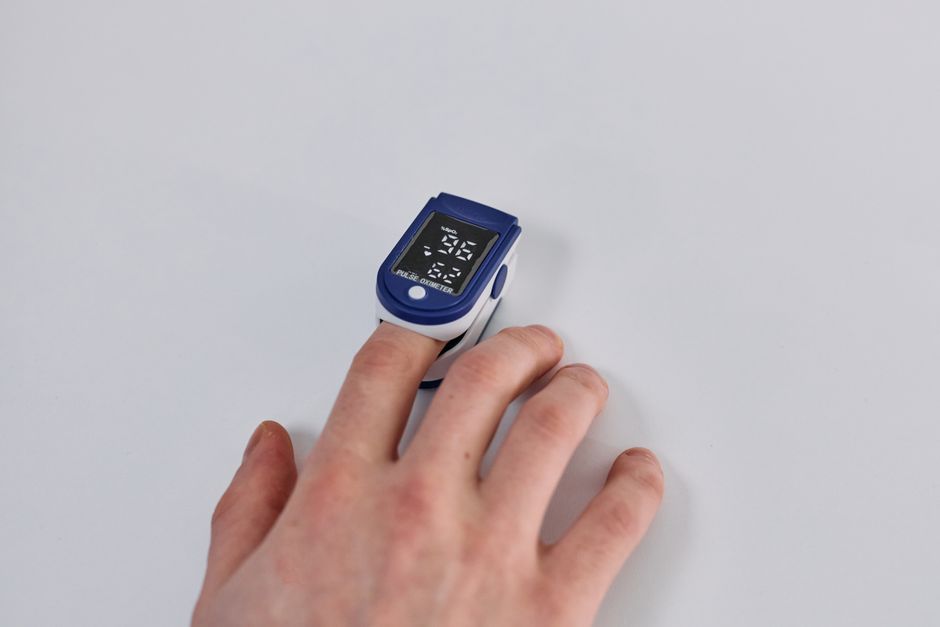
A normal resting respiratory rate for a healthy adult is typically between 12 and 20 breaths per minute. This range applies when you are sitting still and relaxed. If your breathing rate falls outside this range, it can sometimes signal an underlying health condition that may require medical attention.
What Is The Normal Rate Of Respiration For An Adult?
The normal respiratory rate for an adult at rest is 12 to 20 breaths per minute. This is the number of times your lungs expand and contract in one minute while you are calm and inactive. A rate below 12 is called bradypnea, and a rate above 20 is called tachypnea. Both can be signs that your body is working harder than usual to maintain oxygen and carbon dioxide balance.
This range is consistent across most healthy adults regardless of age or sex, though individual variations exist. Athletes often breathe more slowly at rest because their bodies use oxygen more efficiently. The key is knowing your own baseline and recognizing when your rate changes without a clear reason like exercise or stress.
How Is Respiratory Rate Measured?
Healthcare providers measure respiratory rate by counting how many times your chest rises and falls in one minute. They usually do this without telling you, because people unconsciously change their breathing when they know it is being watched. Your heart rate and blood pressure can also change when you become aware of being observed, so providers often count breaths while appearing to check your pulse.
You can measure your own rate at home. Sit quietly for a few minutes first. Then place one hand on your chest and one on your abdomen. Count each complete breath — one inhale plus one exhale equals one breath — for 60 seconds. A stopwatch or timer helps keep you accurate. Counting for a full minute is more reliable than counting for 15 or 30 seconds and multiplying, because breathing naturally varies from moment to moment.
Why Respiratory Rate Matters More Than Most People Think
Respiratory rate is one of the four vital signs, alongside temperature, pulse, and blood pressure. It is often the first indicator that something is wrong. In hospital settings, an abnormal respiratory rate is frequently the earliest warning sign of a deteriorating patient, sometimes appearing hours before other vital signs change.
Your breathing rate reflects how well your body is balancing oxygen intake with carbon dioxide removal. When this balance shifts, your brain automatically adjusts your breathing rate to correct it. A persistent abnormal rate can indicate problems with your lungs, heart, or metabolic system. For this reason, doctors do not treat an abnormal respiratory rate as the problem itself — they investigate what is causing it.





What Does a Rate Below 12 Breaths Per Minute Mean?
A respiratory rate below 12 breaths per minute is called bradypnea. During deep sleep, some people naturally breathe this slowly, which is normal. But when awake and at rest, a rate below 12 can signal that the brain is not sending strong enough signals to the lungs.
Common causes include opioid or sedative use, head injuries, metabolic disorders, and conditions that affect the brainstem. Hypothyroidism can slow breathing in some cases. Sleep apnea, which causes breathing to pause during sleep, can produce low rates overnight. If you notice your waking respiratory rate is consistently below 12, discuss this with a healthcare provider, especially if you also feel fatigued, confused, or short of breath with minimal exertion.
What Does a Rate Above 20 Breaths Per Minute Mean?
A respiratory rate above 20 breaths per minute is called tachypnea. This is normal during exercise, anxiety, or fever because your body needs more oxygen. However, an elevated rate at rest can indicate your body is struggling to get enough oxygen or remove enough carbon dioxide.
Common causes include pneumonia, asthma, chronic obstructive pulmonary disease, heart failure, and pulmonary embolism. It can also result from metabolic conditions like diabetic ketoacidosis, where the body tries to blow off excess acid through rapid breathing. Pain, fear, and high altitude can also raise your rate temporarily. If your resting rate stays above 20 for no clear reason, seek medical evaluation.
How Breathing Rate Changes With Age and Health Conditions
Children breathe faster than adults. Newborns may breathe 40 to 60 times per minute, and this gradually slows through childhood. The adult range of 12 to 20 typically applies from about age 12 onward. For older adults, the range remains the same, though underlying conditions like heart or lung disease can shift an individual’s baseline.
Certain medical conditions change respiratory rate in predictable ways. Chronic obstructive pulmonary disease can cause a persistently elevated rate as the lungs become less efficient. Heart failure often increases breathing rate, especially when lying flat. Anemia reduces the blood’s oxygen-carrying capacity, prompting faster breathing. These patterns help doctors narrow down possible diagnoses when combined with other symptoms.
When Should You Seek Medical Attention?
Seek medical attention if your resting respiratory rate is consistently below 12 or above 20 breaths per minute and you cannot explain it. Also seek help if your breathing rate changes suddenly, or if you experience shortness of breath, chest pain, dizziness, confusion, or bluish lips or fingertips.
An abnormal respiratory rate combined with other symptoms is more concerning than an abnormal rate alone. For example, rapid breathing with chest pain and leg swelling may point to a blood clot in the lungs. Slow breathing with confusion and pinpoint pupils may indicate opioid overdose. Trust your instincts — if something feels wrong with your breathing, do not wait to see a doctor.
Can You Improve Your Respiratory Rate?
For healthy people with a normal resting rate, the goal is not to change the number but to maintain it. Regular cardiovascular exercise strengthens the muscles used for breathing and can lower your resting rate over time. Maintaining a healthy weight reduces the work your lungs must do. Avoiding smoking and secondhand smoke protects lung tissue.
Breathing exercises like diaphragmatic breathing and pursed-lip breathing can help people with certain lung conditions, but they do not change the normal resting rate in healthy adults. These techniques are primarily taught to people with COPD or anxiety to improve breathing efficiency. If you have a medical condition affecting your breathing, work with your healthcare provider on a plan tailored to your situation.
Frequently Asked Questions
What is a dangerous respiratory rate?
A respiratory rate below 12 or above 20 breaths per minute at rest is outside the normal range and warrants medical evaluation. Rates below 8 or above 30 are considered emergencies and require immediate attention.
Does respiratory rate change during sleep?
Yes, breathing slows during sleep, especially in deep sleep stages. A sleeping rate of 12 to 16 breaths per minute is common, though some healthy adults dip slightly lower.
How do I count my own respiratory rate?
Sit quietly for a few minutes, then count each complete breath for 60 seconds using a timer. One inhale plus one exhale equals one breath, and a normal resting rate is 12 to 20 breaths per minute.
Can anxiety cause a high respiratory rate?
Yes, anxiety and panic can temporarily raise your breathing rate above 20 breaths per minute. This usually resolves when the anxiety passes, but if rapid breathing persists, see a healthcare provider to rule out other causes.
