
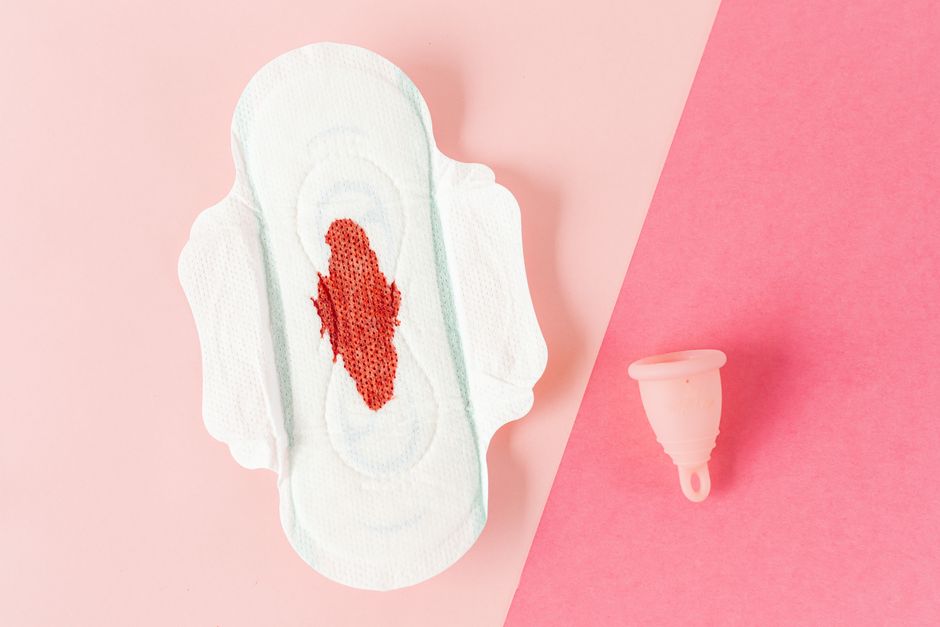
A menstrual cycle is the time from the first day of one period to the first day of the next. A normal cycle for an adult woman ranges from 21 to 35 days. For teenagers, cycles can be longer, often 21 to 45 days. The bleeding itself typically lasts between 2 and 7 days. Most women lose between 2 and 3 tablespoons of blood each month. If your cycle falls outside these ranges, it does not automatically mean something is wrong, but it is worth understanding why.
What Is Considered A Normal Menstrual Cycle Length?
The average cycle is 28 days. But only about 13% of women actually have a 28-day cycle on the dot. Research shows that cycle length varies naturally from person to person and month to month.
A cycle is counted from the first day of bleeding to the day before the next period starts. For most adult women, anything between 21 and 35 days is considered normal. If your cycles are consistently shorter than 21 days or longer than 35 days, it may be a sign that ovulation is irregular or not happening at all.
Cycle length often changes with age. Teenagers commonly have longer cycles as their bodies adjust to regular ovulation. Women in their 40s may experience shorter cycles as they approach perimenopause. These shifts are normal parts of reproductive aging.
What Does Normal Period Bleeding Look Like?
Period bleeding varies, but there are clear guidelines for what is typical. A normal period lasts between 2 and 7 days. The flow is usually heaviest in the first two days and then tapers off.
Blood color can change throughout your period. Fresh blood is bright red. Older blood can appear dark red, brown, or even black. Clots smaller than the size of a quarter are common and not usually a concern. Large clots or bleeding that soaks through a pad or tampon every hour for several hours is not normal.
The amount of blood lost during a normal period is about 30 to 80 milliliters. That is roughly 2 to 6 tablespoons. If you are changing pads or tampons every hour, or if you pass clots larger than a quarter, talk to a healthcare provider. Heavy bleeding affects about 1 in 5 women and is often treatable.
What Causes Irregular Cycles and Should You Worry?
Irregular cycles are common. Research suggests that about 1 in 3 women will experience an irregular cycle at some point. The causes range from harmless to medical.
Common causes of irregular cycles include stress, significant weight loss or gain, intense exercise, and poor sleep. These factors can disrupt the hormones that control ovulation. When ovulation is delayed or skipped, the cycle becomes unpredictable.
Medical conditions can also cause irregular cycles. Polycystic ovary syndrome (PCOS) is one of the most common. It affects about 6 to 12% of women of reproductive age. Thyroid disorders, high prolactin levels, and uterine fibroids can also change cycle patterns.
As of 2026, current research suggests that missing one or two periods per year is usually not a concern. But if you miss three or more periods in a row, or if your cycles are consistently outside the 21-to-35-day range, it is worth getting checked. The goal is not to panic. It is to understand what your body is doing.




What Is Considered A Normal Menstrual Cycle and When Is It a Concern?
A normal menstrual cycle involves regular ovulation and predictable bleeding. But normal does not mean perfect. Variability is built into the system.
Here is a quick comparison of normal versus concerning signs:
| What is Normal | What is Concerning |
|---|---|
| Cycle length 21-35 days | Cycle shorter than 21 days or longer than 35 days |
| Period lasts 2-7 days | Bleeding for more than 7 days |
| Blood loss 30-80 ml | Soaking through pad or tampon every hour |
| Small clots (smaller than quarter) | Clots larger than a quarter |
| Mild cramping | Pain that prevents daily activities |
| Occasional missed period (1-2 per year) | Missing 3 or more periods in a row |
If you experience any of the concerning signs, it does not mean something is wrong. But it does mean you should talk to a healthcare provider. Many causes of irregular cycles are treatable. Early identification often leads to better outcomes.
How Does Age Affect What Is Normal?
Age is one of the biggest factors in cycle variability. What is normal for a 16-year-old is different from what is normal for a 40-year-old.
For teenagers, cycles can be irregular for the first few years after menstruation starts. It takes time for the body to establish regular ovulation. Cycles of 21 to 45 days are common in the first year. By the third year, most cycles settle into the 21-to-35-day range.
For women in their 20s and 30s, cycles are often most regular. This is the peak reproductive window. Most women ovulate regularly during this time. Cycle length tends to be consistent.
For women in their 40s, cycles often become shorter. This is a normal part of perimenopause. The ovaries produce less estrogen and progesterone. Cycles may shorten to 24 or 25 days. Periods may become heavier or lighter. Skipped periods become more common. This phase can last 4 to 8 years before menopause.
Pregnancy, breastfeeding, and hormonal contraception also change cycle patterns. These are normal shifts. The key is knowing what is typical for your age and stage of life.
What Common Misconceptions Exist About Menstrual Cycles?
Many myths about menstrual cycles are widely repeated but not backed by evidence. It helps to separate fact from fiction.
One common myth is that all women have a 28-day cycle. As noted earlier, only about 13% of women do. Most women have cycles that vary within the normal range. A 32-day cycle is just as normal as a 26-day cycle.
Another myth is that you cannot get pregnant during your period. Sperm can live in the reproductive tract for up to 5 days. If you have a short cycle and have sex near the end of your period, you could be fertile sooner than you think. This is especially true if you ovulate early.
Some people believe that missing a period always means pregnancy. While pregnancy is a common cause, it is not the only one. Stress, illness, travel, and changes in weight can all cause a missed period. Hormonal conditions like PCOS and thyroid disorders are also common causes.
A final misconception is that painful periods are normal. Mild cramping is normal. Pain that keeps you from going to school or work is not. Conditions like endometriosis affect about 1 in 10 women and often cause severe pain. Treatment is available.
How Can You Track Your Cycle Accurately?
Tracking your cycle helps you understand what is normal for you. It also helps you notice when something changes.
The simplest method is to mark the first day of your period on a calendar. Count the days until your next period starts. That number is your cycle length. Do this for several months to see your pattern.
Apps can make tracking easier. Many apps allow you to log flow amount, pain, and other symptoms. Some apps predict ovulation based on past cycle data. These predictions are estimates, not guarantees. If you are tracking for health reasons, focus on the actual dates rather than predictions.
For the most accurate ovulation tracking, you can use ovulation predictor kits or track basal body temperature. These methods are more reliable than apps alone. But for understanding whether your cycle is normal, a simple calendar or app recording is usually enough.
If you notice a pattern of irregular cycles, bring your tracking data to a healthcare provider. A few months of data is more useful than trying to remember when your last period was.
Frequently Asked Questions
What is the normal range for a menstrual cycle?
The normal range for an adult menstrual cycle is 21 to 35 days. For teenagers, cycles can be 21 to 45 days during the first few years after menstruation starts.
How many days of bleeding is normal?
Normal period bleeding lasts between 2 and 7 days. Bleeding for more than 7 days is considered prolonged and should be discussed with a healthcare provider.
Can stress affect your menstrual cycle?
Yes, stress can delay or stop ovulation, which leads to a late or missed period. This is usually temporary and resolves once stress levels return to normal.
When should I see a doctor about my cycle?
You should see a doctor if your cycles are consistently shorter than 21 days or longer than 35 days, if you bleed for more than 7 days, or if you soak through a pad or tampon every hour.
